

Screw caps or synthetic corks? Explore the pros and cons of wine closure alternatives used by the industry. Find out if they’re better than natural cork for aging and preventing cork taint.
Cork—natural cork—is the most popular option for wine closure. But you’ve probably come across synthetic ones, screwcaps, and maybe something else! In today’s article I will go deep into alternative closures the industry uses instead of cork to seal bottles. After all, I’ve already written about natural cork closures.
Synthetic Cork: Least Popular Wine Closure
I know, starting with the least popular one is certainly a choice. The synthetic version looks the most like natural cork, though, so let’s begin here. These closures are less expensive than their natural counterparts because they’re made from polymers, which can be either plastics made from fossil fuels or plants[i], and designed to look and feel like cork. Some wineries, though, get creative with colors. You’ve probably seen neon green or bright yellow ones.
Natural wine corks have two main issues. TCA contamination, which causes wine to be corked, and inconsistent oxygen ingress. Synthetic corks aimed to fix both problems. They succeeded with cork taint but concerns about wine aging makes a full switch unlikely.
See, natural corks expand and contract with temperatures changes, but plastic doesn’t have that adaptability, and therefore isn’t as predictable as promised in allowing oxygen in. Winemakers worry about the aging potential of their wines with such inconsistent closures.
They also feel a bit cheap in the hand, which is a shame, because they created synthetic corks to not disrupt the uncorking ritual. In restaurants, it just doesn’t hit the same when the paying customer is offered a freshly uncorked plastic wine closure to smell[ii].
So, the industry turned to the other wine closure alternative. An option available since the second half of the 1800s, and which had sparingly been used in wine in the 1950s. I’m, of course, talking about the screw cap.
Twist to Open
More wineries are moving to screw caps as their wine bottle closure solution, and I’m not surprised. They are less expensive than cork, recyclable, and technologically sound. See, there’s the metal casing, the actual cap, usually made from aluminum. And there’s also the liner, which seals the bottle tightly. It allows a little oxygen to get into the bottle, less than natural corks. But here’s the kicker: you can regulate how much goes in, and it’ll be consistent from bottle to bottle.
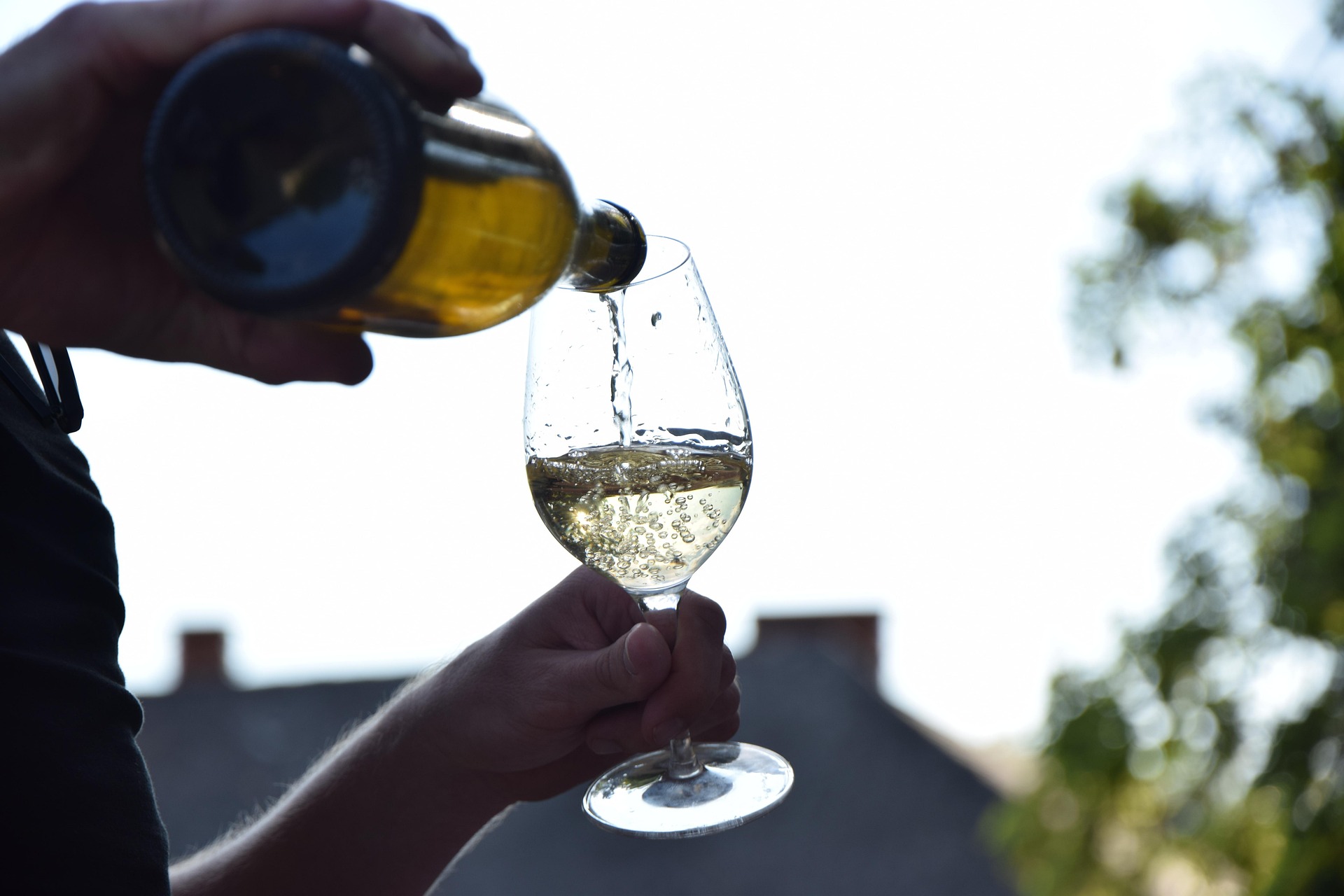
Aging potential in bottles sealed with screw caps is surprisingly good.

Photo by Congerdesign
An Age Worthy Wine Closure
Let me repeat that. Wine aging potential with bottles sealed with screw caps is good. More testing is needed, of course, but also unlikely. Only a small percentage of wines are made to age for longer than a couple of years[iii], and the wineries making them are unlikely to disregard corks as their preferred closure alternative.
However, studies have shown that wine aged with screw tops ages more consistently compared to natural cork, which can be erratic.
Technological advances have led to improvements in the lining piece that touches the rim of the bottle. You can now regulate the amount of oxygen going in the bottle. Some wineries choose to allow more in than others, depending on the rate at which they want their wines to evolve. More air goes inside the bottle with natural cork, but screw caps allow it in more consistently.
Like I said above, more studies are needed. What we do know, however, is that limited—in relation to natural cork—oxygen exchange leads to slower development and possibly muted flavors in the long run. We also know that horizontal bottle storage is no longer needed, as keeping the cork in contact with the wine is no longer required. . By the way, I’ve written about how to properly store wine at home, and you can read it here.
Other Wine Closure Solutions
Yes, there are wine closure alternatives other than screw caps and corks, both natural and those of a more synthetic persuasion. Let’s talk about them.
Crown Caps
Used in sparkling wines because they offer a secure closure and they preserve bubbles quite well, as seen in your soda bottles. You will find them more often, but not exclusively, in your pet nats[iv].
Vinoseal
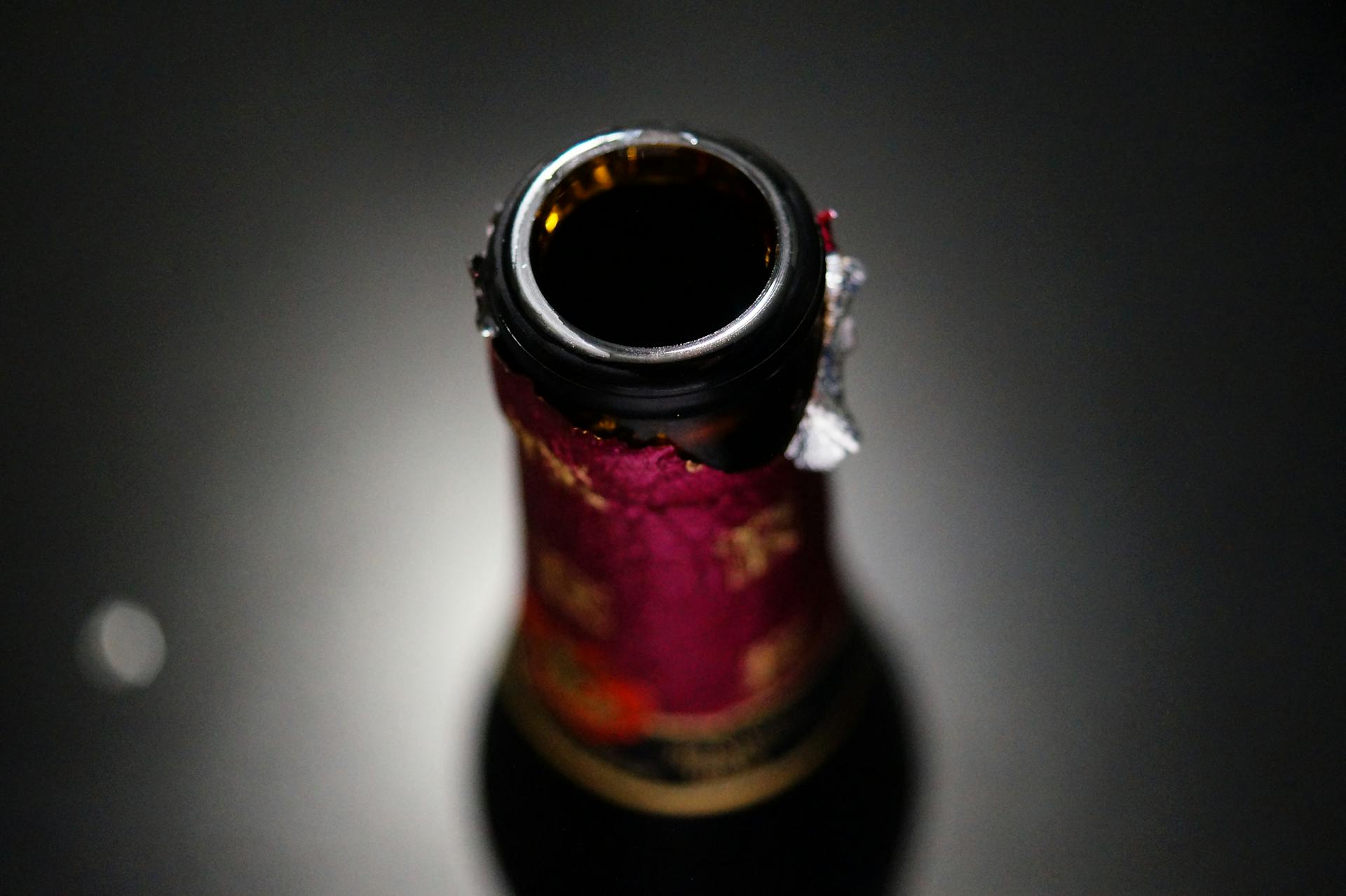
I’m being honest here: I’ve never seen a bottle sealed with this method, only pictures and videos. Based on what I know, it beats screwcaps in elegance. Vinoseal is a glass stopper with a plastic gasket designed to both seal the bottle and to allow small amounts of oxygen into the bottle. Like screw caps, this part can be tuned to fit winemakers’ preferences. Since most of Vinoseal is made with glass, it’s a great recyclable alternative.

Photo by Olga Shenderova
So Many Wine Closures! Why I Mostly See Cork?
Great question! A lot of it has to do with tradition and how we perceive the wine ritual. I’m as guilty of this as the next guy. I like corks, and though I know better, I think wine sealed with cork is of higher quality. And let’s be clear about this: the wine closure has no correlation with the quality of the vino inside the bottle.
With that out of the way, both everyday consumers and wine snobs alike think natural corks = quality. Given a very large wine budget, how much would you be willing to spend for a wine with a screw cap closure? A few hundred dollars? In otherwise equal conditions, would you pick a wine closed with cork over one with a screw cap?
I really don’t have an answer for these questions. Like I said, I like natural corks, and it’s mainly because I like the uncorking ritual. I have several wine keys collected from winery visits, and more than a handful of corks displayed inside a jar. I’d like to keep growing both.
The Last Drop
Natural cork costs more than all other alternatives[v], yet it’s the most common. Changing the collective perception of what is—and isn’t—quality will take time and work, provided wineries are willing to change from corks to other wine closures.
Are the drawbacks of natural cork, cost and unreliable sealing, enough for the whole industry to shift? Australia came close[vi]! Still, I don’t believe it’ll happen anytime soon. I enjoy natural corks: the tactile feeling, the uncorking ritual, even the look of them.
Wine popularity is facing challenges, particularly for red wine. For the industry to grow, changes will be needed. Different wine closures… heck, maybe even different containers, might be a partial solution. Screw caps are, after all, already common in whites.
How do you feel about alternate wine closures? Do you like natural cork best? Let me know in the comments!

Photo by wal_172619.
Footnotes
[i] Bio-polyethylene is derived from sugars, either coming from cane or beets.
[ii] Truth be told, restaurants are likely to discretely hide the synthetic cork instead of presenting it to the customer.
[iii] The more generous estimates put that number at around 5%, and the likely number is probably between 2% and 3% of all wines can be aged for more than two years.
[iv] Pétillant Natural is a wine in which fermentation causes it to be naturally sparkling. Since late-stage fermentation happens inside the bottle, they are unfiltered and often cloudy. Maybe you’ve had one before?
[v] I think. I’m not familiar with bulk costs of Vinoseal.
[vi] Read more of this story in Brian Udall’s article for Tasting Table.
Cover Image: Synthetic corks come in different colors. Photo by Basilicofresco.

Leave a Reply