

Think you know Syrah wine? Uncover the surprising truth about its origins, global journey, and what makes it different from Shiraz in this complete guide.
Syrah wine has a cool, romantic origin story. It’s said to have been first planted in the city of Shiraz, the ancient capital of Persia[i] in the late 9th Century. It was either the Greeks, or more likely crusaders on their way back home, who brought the grape over to Europe. A romantic story, to be sure. But, as it turns out, false.
Oh, we’ll talk about that, but also food—and mood—pairings, where these grapes grow best, and what’s the difference between Syrah and Shiraz[ii]. There’s a lot to cover. Let’s jump right in!
The Real Origin of Syrah Wine
So, I touched on the myth. Unfortunately, reality is less interesting. Syrah originates from southern France, in the Rhône Valley. Now, if you know your Rhône blends, you will know that Syrah features prominently. So, it originates from the area it’s best known for? Yup. Kinda boring, huh?
DNA profiling in the late 1990s proved that Syrah is a natural crossing of Dureza and Mondeuse Blanche, two regional lesser-known grapes. Science is cool, but it killed the vibe a little bit. Funnily enough, the Persian origin myth is believed to have originated in France itself, which is probably how the grape got its name.
Ok, now we know where Syrah comes from, but this popular grape is planted everywhere[iii]! How did it get there?
Syrah Wine, World Traveler
Syrah’s popularity grew in the 19th Century, catching the attention of France’s neighbors. This was a time of grape exchange in Europe, and that’s how Syrah wine was introduced in places like Spain and Italy.
This is a grape that travels well and adapts easily, so it found a comfortable place in central Spain and southern Italy[iv]. It clearly likes warmer climates, right? Well, not always. Syrah is also popular in colder wine regions, like Switzerland, Germany, and Austria.
Syrah arrived in the Americas in the late 1800s. Coincidentally, both California and Chile imported it around that time, faced a significant loss of vines, and saw a renewed interest in the second half of the 20th Century.
In California, it was phylloxera that damaged most of the plantations. Then, in the 1970s, a group of winemakers[v] revived the grape when they took interest in Rhône varietals, which are better suited for the climate of California’s central valley. Syrah, and other southern France grapes, gained popularity in the 1990s, probably after Wine Spectator featured vintner Randall Grahm of Bonny Doon Vineyard, pioneers of the resuscitation of Rhône varietals in California[vi].
In Chile, on the other hand, Syrah wine plantations were removed during the agrarian reforms of the 1970s, but saw a revival when new plants were imported to Aconcagua and Itata[vii] in the early ‘90s[viii]. The popularity of this grape keeps growing in Chile, and recently I’ve had great pours from several regions, including Colchagua, Casablanca, and even Maipo.
Syrah is also planted in other places in the New World, like Argentina and South Africa, and then there’s Australia.
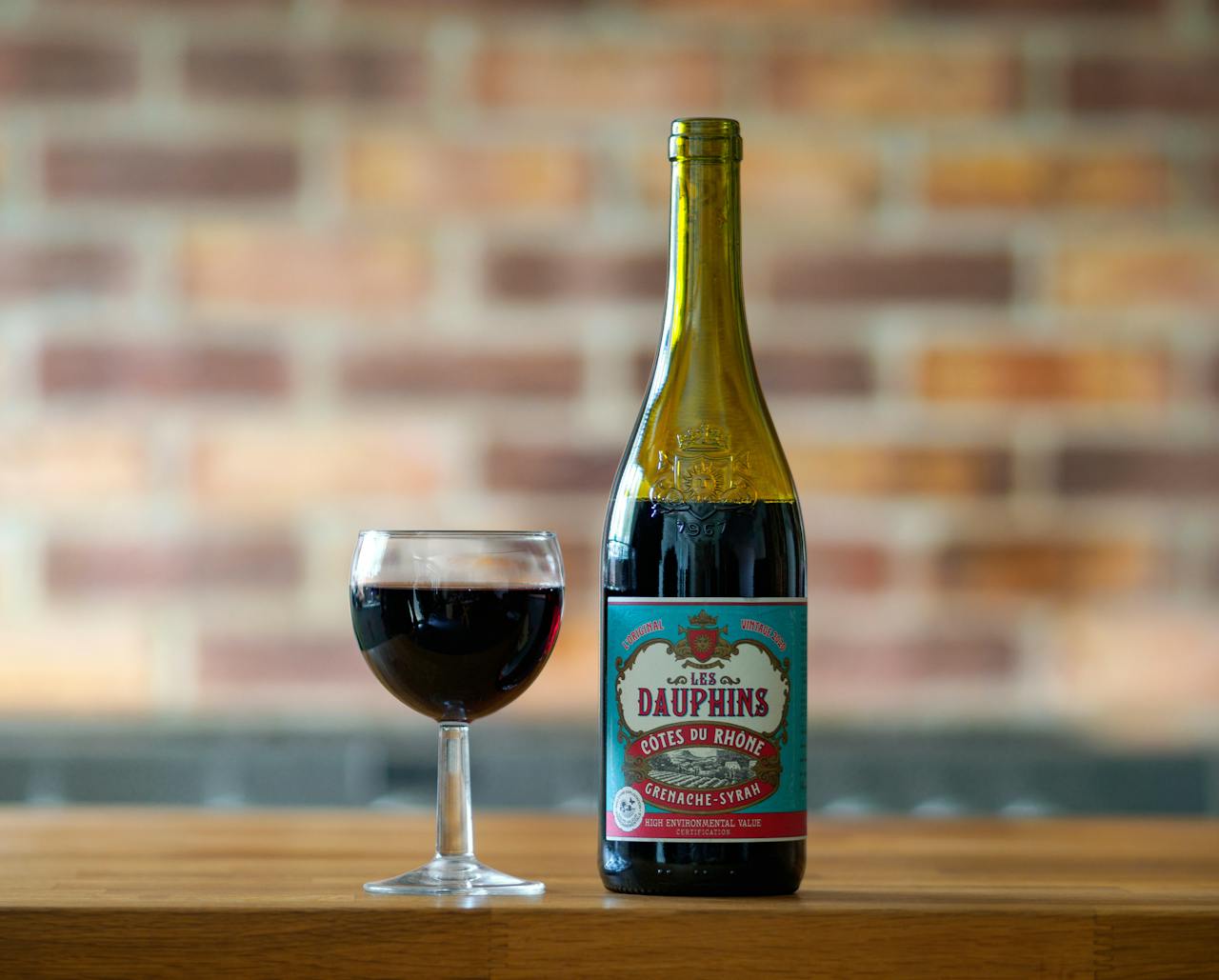
Photo by Brett Jordan.
Qué Syrah, Shiraz?
Earlier I talked about the city of Shiraz in Iran, and you’ve probably heard of Shiraz the wine. What’s the deal? What’s the difference between Syrah and Shiraz?
The easy answer is that they’re both the same grape. In the 1830s, James Busby[ix] introduced Syrah wine to Australia, and it quickly became popular. By the middle of the century, it was already the most planted grape in the country. The thing is, they called it Shiraz.
We don’t quite know the reason for the name change, but there’s a few theories. It might’ve been a mislabel kind of thing, or maybe a mispronunciation by the locals. My favorite theory, however, is that the name came as a tip of the hat to the city and presumed origin of the grape in Persia.
That’s all good, you might be thinking, but how come they didn’t change the name afterward? Well, Shiraz today is understood as a style of Syrah. You see, Australia’s warmer temperatures make bold, full-body, fruit-forward wines, which is different from lighter bodied Syrah planted in the colder climates of the Old World[x]. The styles are different enough that the two names make some sense.
What Kind of Wine is Syrah?
Let me concentrate on Syrah, and not Shiraz, because I have a lot less experience with those. I’ll also skip over blended wines. Although Syrah plays an integral role, it’s still a mix of several different grapes.
With cool-climate Syrah wine you go straight to red-fruit-country, but it’s also floral and earthy. Violets and forest floor aromas are common. Black pepper, however, is Syrah’s signature note.
Syrah is medium body and medium acidity. It typically has silky tannins and good structure. It’s a good wine for aging, provided it’s well stored.
Syrah Wine Pairings
For food pairings, I really like Syrah with grilled meats, but in general it’s fantastic with hearty stews, roasted anything, Gorgonzola, and mushrooms.
I, however, like pairing wine with mood. Syrah is layered, passionate, and has a deeper undertone. All of that reminds me of listening to With or Without You, by U2. But wait, maybe you don’t feel like Syrah aches. Well, then Led Zeppelin’s Kasmir might be what you’re looking for: similarly layered, but also expansive and exotic, like the spices in your wine.
Now, I get it, pairing wine with music depends on your musical taste, so ignore the songs and concentrate on the feel. Syrah wine has spice, it’s tense, atmospheric, big, and polished. It’s the perfect wine for a cozy night with your significant other[xi], for kicking your feet up after a busy day, or for a parrillada[xii] with friends.
The Last Drop
Syrah is my favorite wine to pair with grilled meats. It’s the pour I order by the glass, if available, in a steakhouse. But it wasn’t always like that. I was more familiar with the warm climate variety, and was not a fan. I found myself avoiding this varietal.
In my defense, I was not as knowledgeable about wines as I am today[xiii]. I was, for instance, drinking and enjoying Rhône blends[xiv], ignoring that Syrah is part of the mix. Later, I was introduced to Syrah wine made from colder regions, and I fell in love. Something similar happened to me with Chardonnay. I tasted the very oaky Californian style and thought they were all the same. One thing I’ve learned is to never stop tasting. There’s just too many styles of wine to outright dismiss something that’s new to you.
What are your thoughts on Syrah wine? Have you tried the two more common styles? Or do you, instead, enjoy it in blends? Let me know in the comments below!
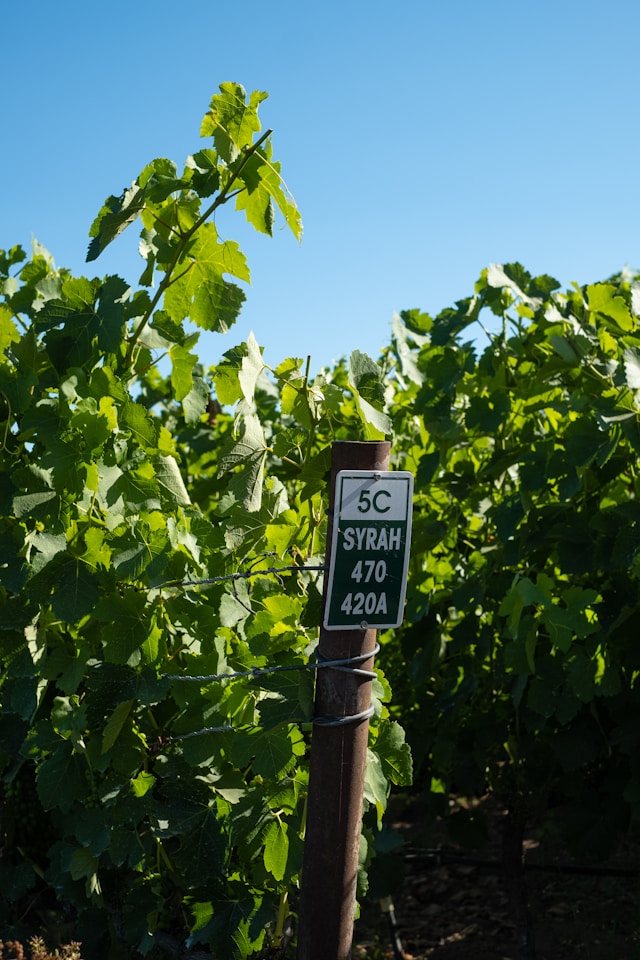
Photo by Natalia Sedova
[i] Modern day Iran.
[ii] This time I’m not talking about the city, but the name this varietal has in some parts of the world.
[iii] Not literally everywhere, of course, but Syrah is a popular grape planted in most places where vines are grown. In 2020 it was the fourth most planted red wine grape in the world, behind Cabernet Sauvignon, Merlot, and Tempranillo.
[iv] It’s popular in other places in both countries, of course. Off the top of my head, there’s Tuscany, in central Italy.
[v] This group of winemakers are playfully called The Rhône Rangers.
[vi] The article was published in April of 1989, and featured Mr. Grahm dressed as the Lone Ranger. This article coined the name of the group, and Randall Grahm was the original one (at least in name).
[vii] Interestingly, these two Chilean wine regions are very different. Aconcagua is to the north, and though it has diverse climates, the warmer areas are very mediterranean, very southern France. Itata, on the other hand, is to the south and generally cold.
[viii] Although I read somewhere that the first plantings were in the mid 80s.
[ix] James Busby was the British Resident (a consul of sorts) in New Zealand. He brought over the first vines to the continent from France and Spain.
[x] And, of course, the New World.
[xi] Or crush! That’s right. Time to spice it up!
[xii] A barbecue, or a mixed grill, although we call this an asado in Chile.
[xiii] I’m still not as knowledgeable about wines as I’d like to be. Learning is fun, though!
[xiv] I’ve mentioned Rhône blends often in this article. It’s time to clarify. They are blends typically made with Grenache, Syrah, and Mourvedre, although other grapes might also be included.
Cover Image: Syrah Wine Grapes. Photo by 3dogfarm.




Leave a Reply