
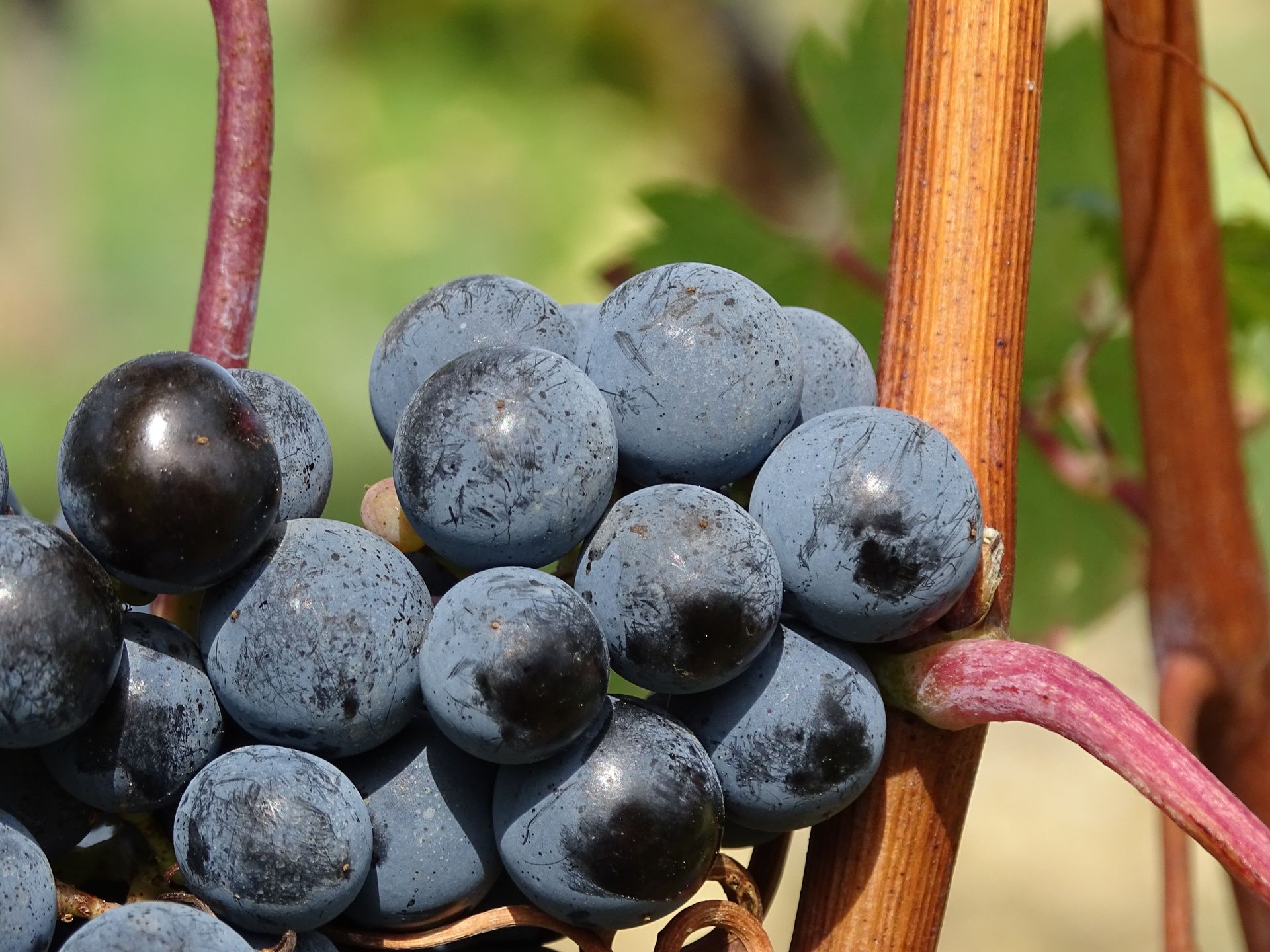
From its Spanish roots to exciting new expressions in Chile, discover why Garnacha is the ultimate crowd-pleasing, food-friendly red wine.
Just the other day I walked into one of my favorite wine stores and while I was window shopping, an attendant came over to offer a complimentary pour. They had a few wines uncorked, Sparkling, Rosé, Garnacha, and two other wines, but I had stopped listening.
“If you have Garnacha, I’ll always get that!” I said.
The response was automatic; I didn’t even stop to think about it. I guess that’s just how much I like this varietal. And I’m not alone; a winemaker I recently spoke to plants it in cold-weather Casablanca because she likes it, even when it thrives in warmer regions. But… what makes it so special?
Let’s find out together!
Garnacha’s Spanish Origins
Garnacha is so widely planted across the Mediterranean that we’re not entirely sure of its exact birthplace. However, botanical evidence suggests that it might have originated in Aragón, a region in northeastern Spain, over two thousand years ago.
Other experts believe that this grape was first planted in Sardinia, from where it spread to continental wine regions.
I lean towards the Spanish theory. Sardinia was, along with southern Italy, part of the Crown of Aragón. Whatever the case might be, Garnacha is an old grape that flourished in the warm climates of the Mediterranean.
A Sturdy Grape
Garnacha established itself in Spain around the 13th Century, reaching Catalonian lands, where it’s still popular today and makes excellent wines in Priorat, where it’s blended with Carignan. During the next couple of centuries, the Crown of Aragón introduced the grape to Italy. From there, it traveled to France. By the 1300s it had already found its way to the Languedoc-Roussillon, later expanding to Provence and the Rhône wine regions.
Back then it was popular with winemakers because Garnacha is a resilient, sturdy grape which adapted well to the warmer weather of the Mediterranean. Later, the phylloxera epidemic devastated most vineyards, and Garnacha was planted instead of less hardy varieties precisely because of its sturdiness.
After Phylloxera, Garnacha gained even more popularity in the south of France.
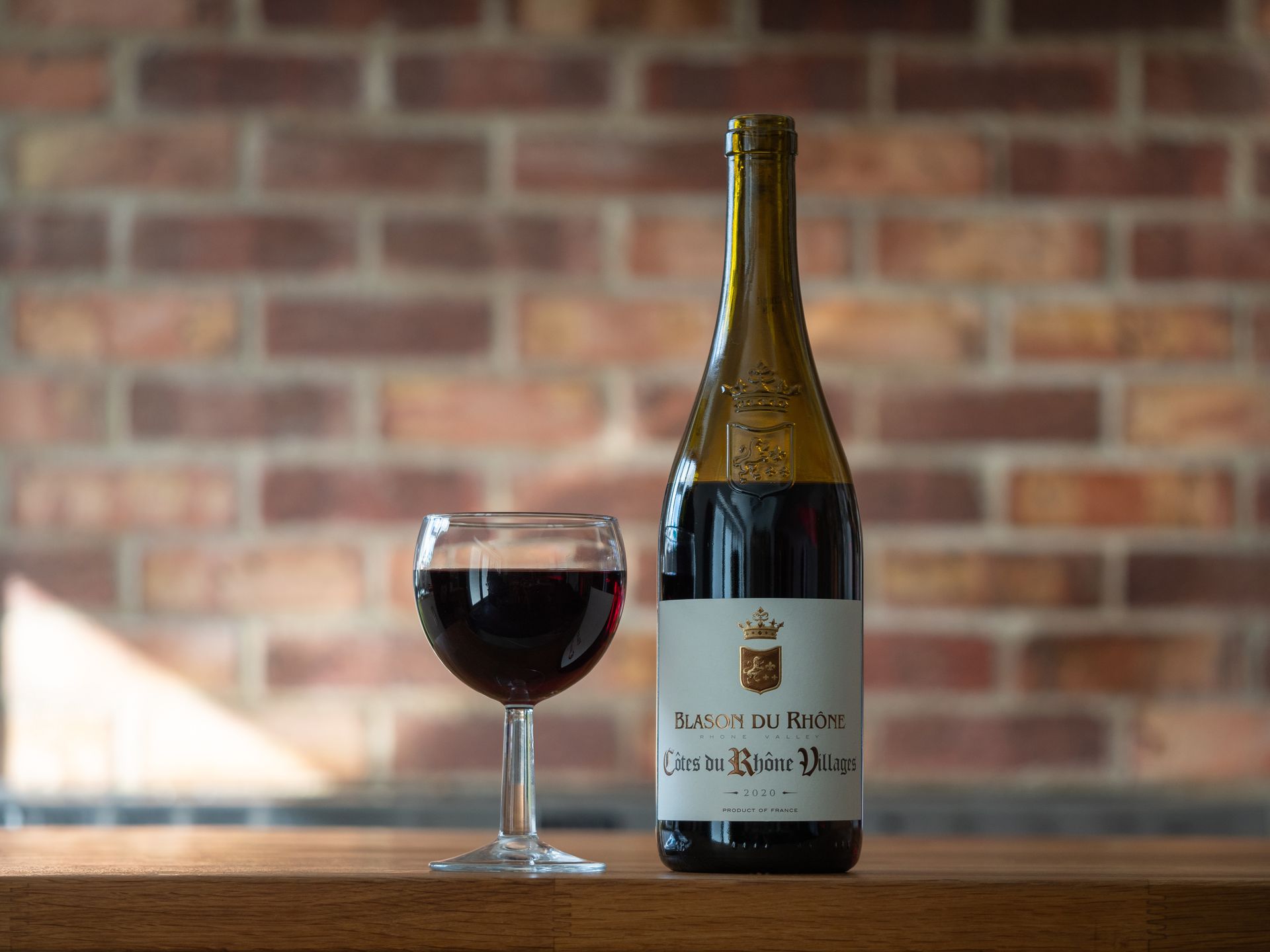
Grenache: A French Icon
I’ve been calling it Garnacha, but you might know this grape better by its French name: Grenache.
And you might know Grenache because it’s an important grape in South-of-France blends.
It’s the “G” in GSM Rhône blends—the other two being Syrah and Mourvèdre.
It’s also a central grape in the delightful Rosé produced in Provence.
Finally, it’s not only one of the eighteen permitted varieties that can be blended to make Châteauneuf-du-Pape, but it’s also the dominant variety used in this exceptional wine.
Garnacha In the New World
As with many French varieties, Grenache began being exported to the New World in the 19th Century. Experts believe that the first plants came to California in the 1860s, but at first, they were used to produce low-quality sweet Rosé wines. It was later, with the Rhône Rangers during the 70s and 80s, that Grenache became a dominant grape in their Central Coast of California blends.
Grenache vines arrived in Australia before that, in 1832. Interestingly, it was used mainly in the production of fortified wines, and for over a hundred years it was the most widely planted grape variety in the country. Grenache saw a decline as table wine gained popularity during the second half of the 20th Century. However, Australia has the oldest Garnacha vines in the world, as they’ve been continuously producing grapes since the late 1840s.
What About Chile?
The Spanish Conquistadores brought the first vines to Chile in the 16th Century, but Garnacha was not one of them. Listán Prieto, which we call País, was the main one. Later, it’s possible that Grenache was imported with other French varieties in the 1800s, but if we did, none of those vines survive.
Garnacha, at least as a grape to produce quality wines, is new in Chile. And by new, I mean the 21st Century.
Since these vines grow well in warmer climates, they are gaining popularity in all of the Central Valley wine regions, but I feel that it grows best in Maule. I’m also a fan of colder weather Garnacha produced in Casablanca and Itata, where it’s been grafted onto old rootstocks.
I spoke with the winemakers who first planted Garnacha in Casablanca, by the way. They were told it was a bad idea because it was understood that it grew better in warmer regions, but they just liked the varietal and wanted to experiment. The wine turned out excellent, and today we find a few other producers following suit. Shout-out to Attilio & Mochi for being the innovators!
What Can You Expect from Garnacha?
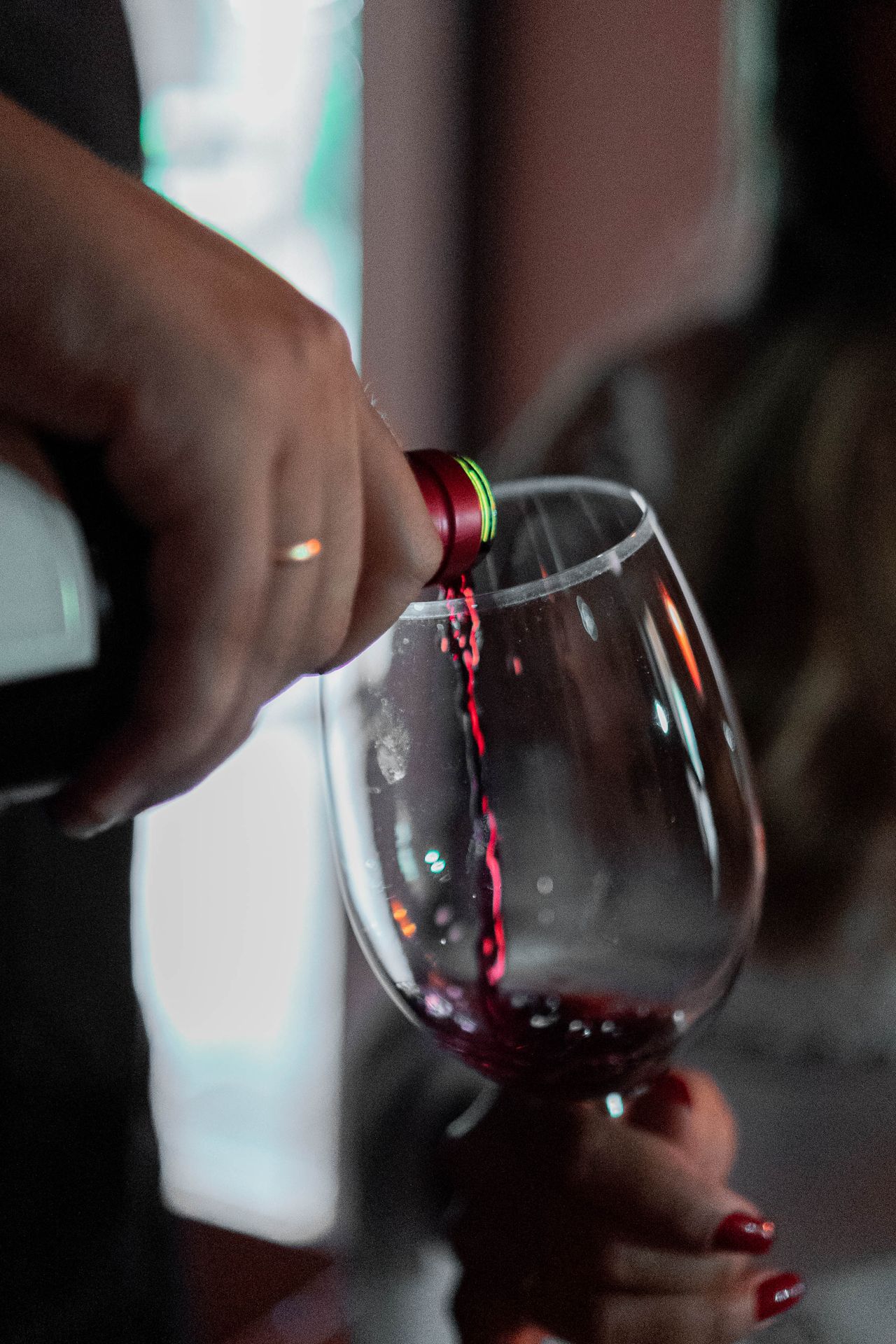
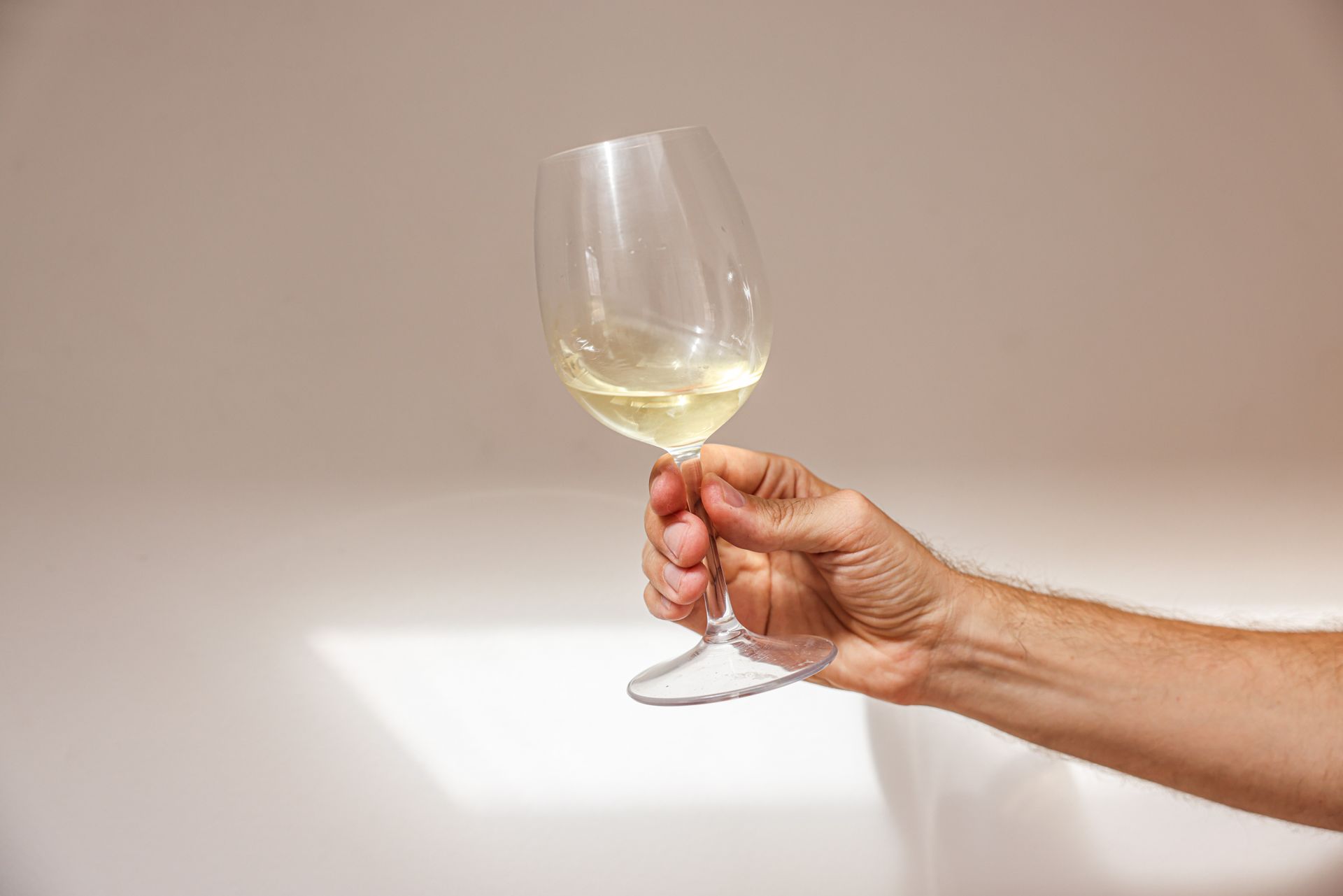
Garnacha is ruby-colored and often translucent. It can range from light to medium body depending on climate: colder temperatures mean lighter wines. Since it typically comes from higher-temperature wine regions, expect a fruit-forward high-alcohol red that has clear notes of spices and even herbs. In colder climates the profile changes slightly. Fruit notes become fresher and tarter. The wine feels bright and refreshing.
You might be more familiar with Grenache used as a blend in France, in which case the profile depends on the blend and how dominant Grenache is in it. Châteauneuf-du-Pape is fuller-bodied and feels riper than your run-of-the-mill GSM Rhône blend. It’s also more complex.
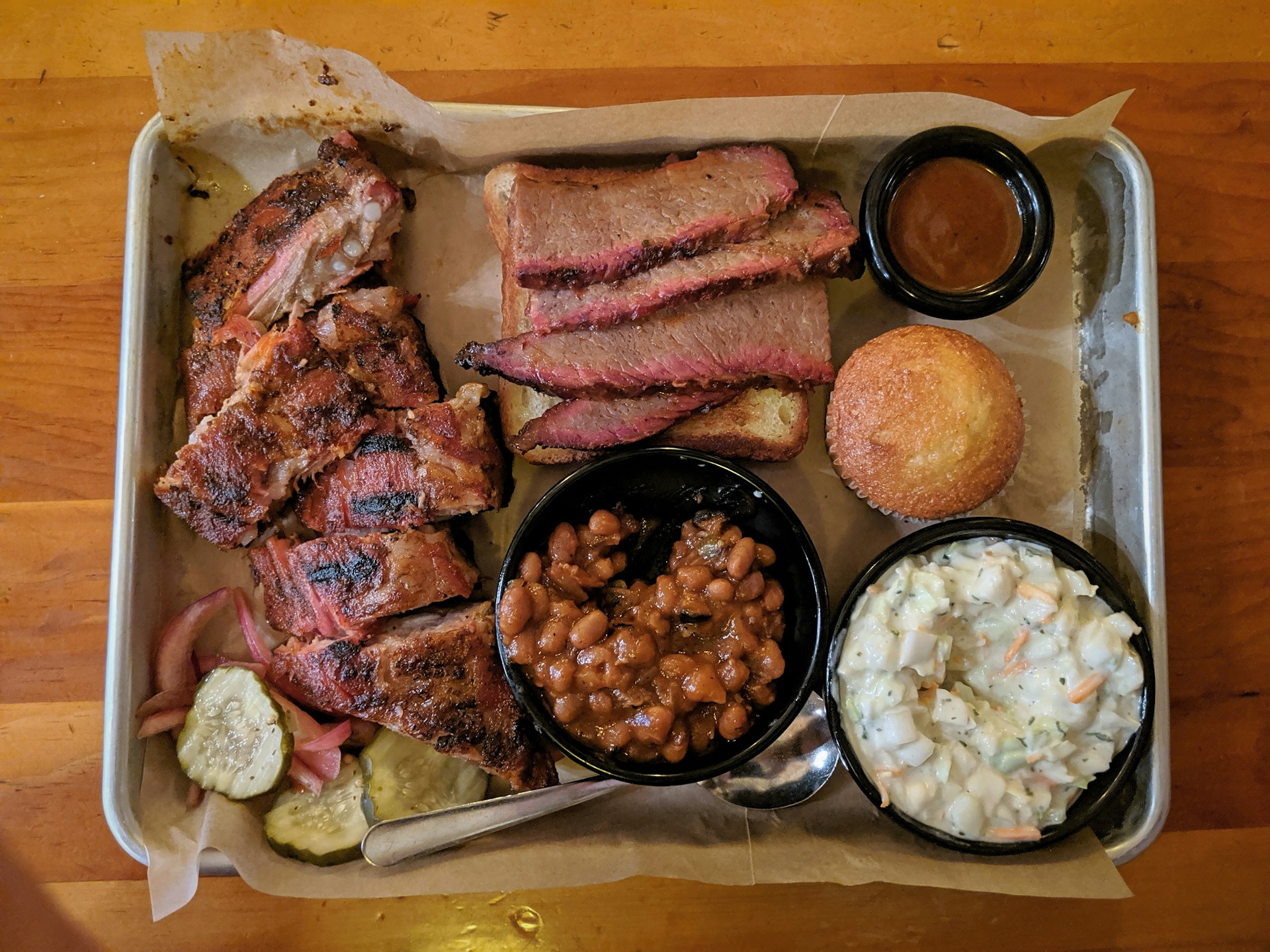
So, You Want to Pair Garnacha
For this section I’ll concentrate on single varietal Garnacha because pairings are more complicated with blends. How much Garnacha is in them to begin with, right?
Garnacha tends to be high in acid, so it pairs well with tomato-based sauces. It also has aromatics that remind us of herbs and spices, so it pairs great with North African cuisine, particularly those bordering the Mediterranean. It can be served with semi-cured cheeses like Manchego or Gruyere.
What about meat? Well, pair Garnacha with duck and other game meat. Similarly, it’s fantastic with grilled or roasted lamb. But probably my favorite one is BBQ pork. Grenache tends to have a smoky quality to it, which would perfectly complement some ribs.
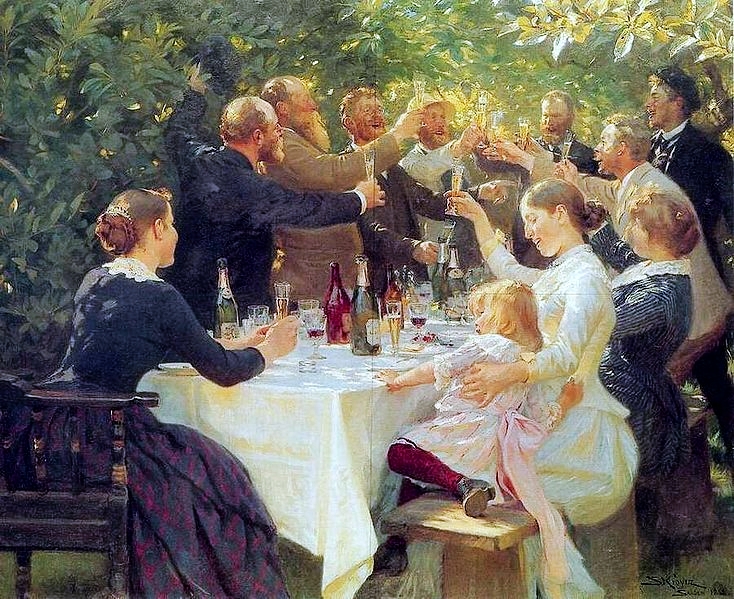
Now, I like food pairings, but I’m a supporter of pairing wine with mood instead. And doubling down, Garnacha is a wine to take to a late spring BBQ when the evening comes and only good friends remain. It’s the wine to uncork as you start a singalong with Sometimes, by the English alt-rock band James. Or really any song from their breakthrough album Laid.
The Last Drop
As Grenache is new in Chile, I’m also new to this grape. Yes, I had it in blended wines from Southern France before, but I didn’t know what it tasted like on its own. My first single varietal was Chilean, and that was only about a decade ago. It was after the pandemic that I saw it everywhere while traveling in Spain. Turns out, a lot of the house wine in Madrid is Garnacha.
I like how spicy, herbal, and smoky it feels. I also like that it’s a medium to light body red. I’ve grown more appreciative of those as I age. Like Robert Parker once said:
“I find myself buying more and more Grenache based wines as I get older.”
– Robert Parker
Same, Robert. Same.
Cover Image: A bunch of Grenache grapes. Photo by Henri Guérin.


Leave a Reply