

Why is Casablanca the pioneer of cool-climate Chilean wine? Explore the valley’s unique geography, soil types, and the saline minerality of its coastal whites.
Even though Casablanca is one of the youngest wine regions in Chile, it’s also the country’s pioneer cool-climate wine valley. It’s located less than 50 miles[i] northwest of Santiago, where I live, and therefore it’s the wine region I’ve visited more often.
Due to its cold weather, it’s no surprise that the Casablanca wine region is well known for Chardonnay and Pinot Noir. But, if you’re a regular to this site, you might’ve read several articles[ii] mentioning the other white grape from Casablanca; my favorite from this valley: Sauvignon Blanc.
Of course, wineries grow other grapes in this valley. Let’s talk about them, and also about the history of the region and other interesting facts about it.
Newcomer: The Casablanca Wine Region is Only a Few Decades Old
Despite Casablanca valley’s proximity to Santiago, it was separated from it by the Coastal Cordillera. It was a quiet agricultural backwater, mostly orchards and mixed small-scale Mediterranean crops.
Gradually, two tunnels were built to improve access from the capital to coastal cities, like Valparaiso and Viña Del Mar. The first in the late 1950s and the second one in 1970. Casablanca, the valley between Santiago and the Pacific Ocean, now had a busy highway running through it, and found itself at less than an hour from the capital. Casablanca’s fate was primed for change.
And change came when wine visionaries, already actively seeking cooler climates for fine wine[iii], recognized how optimal the soil and weather of the Casablanca valley were for winemaking. The first of them began planting vines in Casablanca in the late 1970’s, and the wine region’s boom started 20 years later.
The current is probably the best era for Casablanca wines so far. But, before we talk about the wines produced in this region, let’s place it geographically.
Where Exactly Is the Casablanca Wine Region?
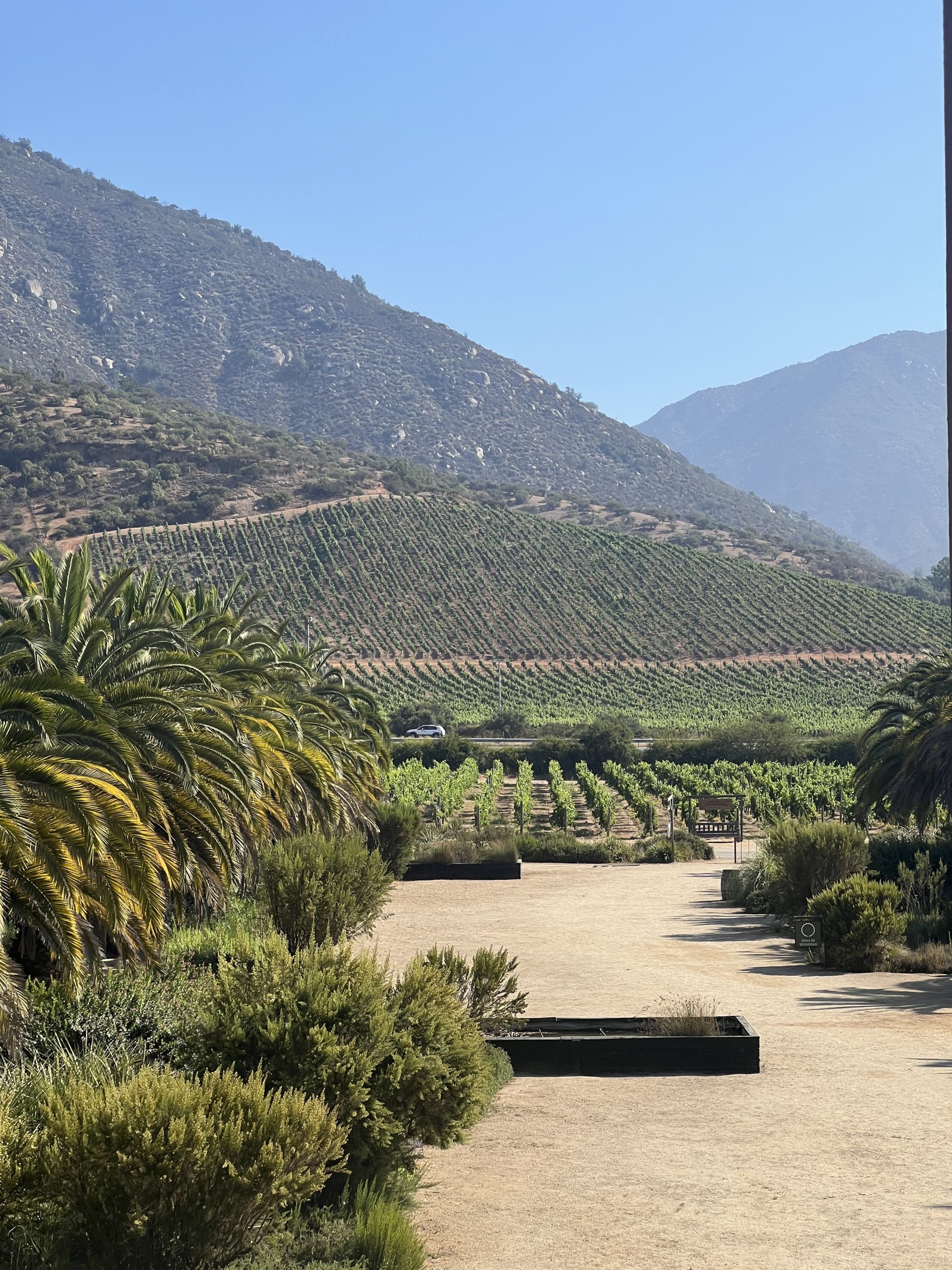
Casablanca valley sits in central Chile, slightly north and to the west of Santiago. To the west, it is bounded by the Pacific Ocean, and to the east the coastal mountain range. Limits to the north and south, however, are not as clearly defined, at least not by a distinct geographical feature.
To the north, the Casablanca wine region borders the city of Valparaiso[iv], although few wineries plant vineyards that close to the city. Finally, to the south, the valley kind of limits two additional wine regions: Leyda and San Antonio. All three make the same style of coastal, cold-weather wines. Speaking of which, let’s talk about them.
The Wines of Casablanca Valley
Strong ocean influence from the Pacific and the cold Humboldt Current from the south bring morning fogs, cooling breezes, and a marked diurnal range. All those factors combine to make the Casablanca wine region perfect for cold-weather wines. See, grapes ripen slower in colder temperatures, which means they preserve their acidity and tend to get an aromatic lift. As you can probably guess, great Sparkling wines are made in Casablanca.
The valley is poor in fertility, which concentrates flavors. As I mentioned in another article, winemakers like stressed vines. Soils are a mixture of clay, granite, alluvial, and marine deposits.
All those factors make the Casablanca valley perfect for Burgundian varietals[v]. But, of course, we’re not in an Old World wine region, so winemakers can mix-and-match vines as they see fit. Therefore, in Casablanca you’ll find Sauvignon Blanc from Loire[vi], Garnacha from northeastern Spain, Syrah from Rhône, Riesling from Germany, and others[vii].
Closer to the ocean you get fresher wines, more mineral and delicate. You should look for excellent Chardonnay and Pinot Noir from coastal Casablanca. However, my favorite varietal grown close to the ocean is the zesty Sauvignon Blanc with great salinity.
More inland and closer to the coastal mountain range, weather is slightly warmer. Wines here are fuller-bodied and fruitier. You might like that style in your Pinot and Chardonnay, but I think it’s a better weather for Syrah. Mind you, and just for additional clarity, inland Casablanca valley is still considered cold weather. It just happens to be warmer than its coastal counterpart. Nonetheless, you can still feel the freshness and elegance in this area’s red wines.
Proximity to Santiago and Tourism
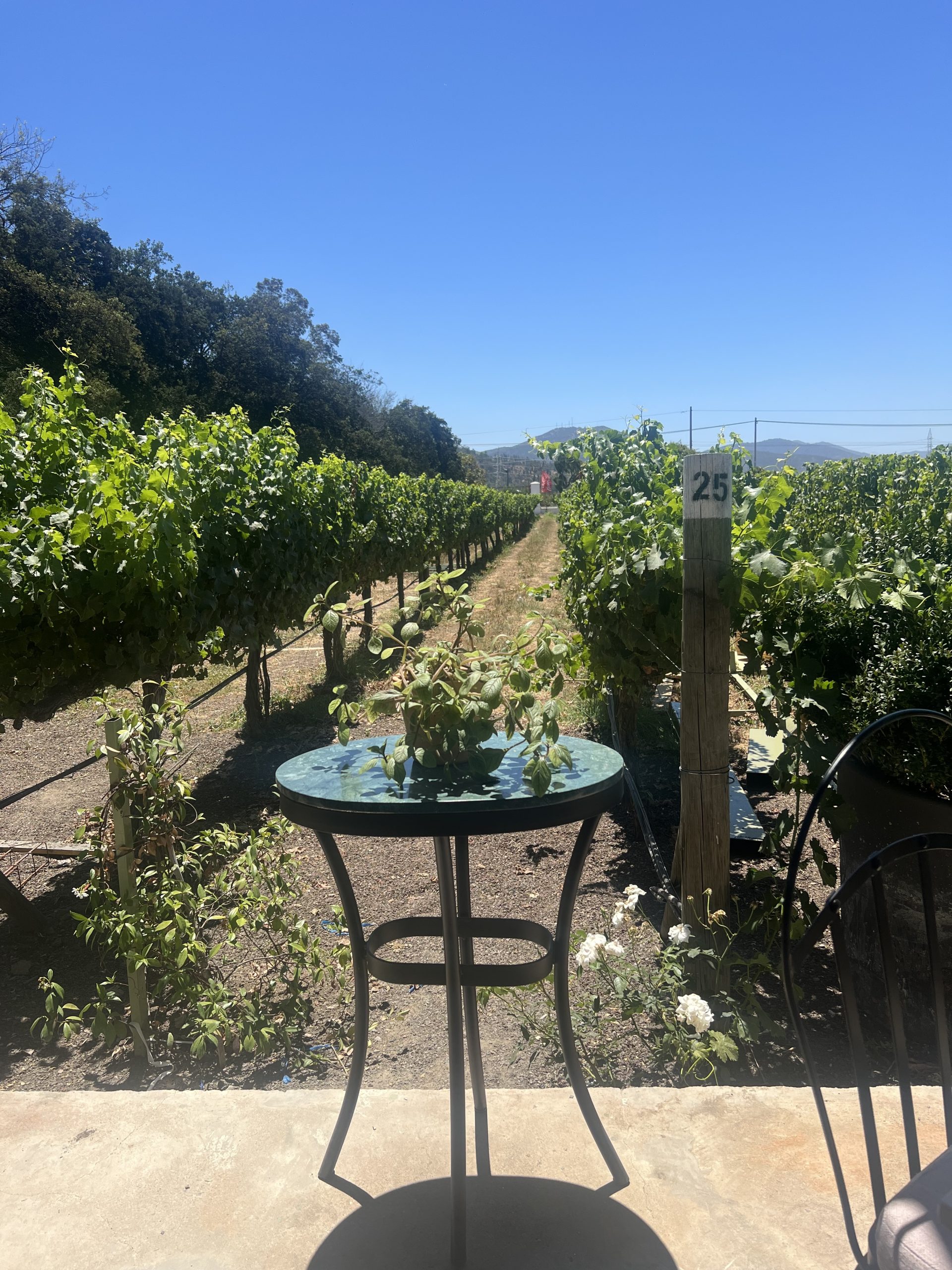
The cool thing about Casablanca[viii] is that winemakers are producing excellent wines. However, I want to mention something else that’s pretty awesome. Since Casablanca is so close to Santiago, it’s an excellent alternative to visit.
If you’re already staying either in Santiago or Valparaiso, Casablanca wineries make an incredible daytrip. Many of them have invested in top-notch facilities, including quality restaurants, tasting rooms with great views, and assorted tours visiting cellars, vines, and—certainly—the winery’s gift shop.
Moreover, vineyards are remodeling their estates[ix] to accommodate guests looking for hotels. You can now go and stay a weekend or longer. Whether you’re going to or coming from Valparaiso[x], Casablanca makes a great pitstop. One you might want to consider extending to a few days.
The Last Drop
I live in Santiago and, since it’s so close, I can accurately say that Casablanca is the wine region I’ve visited most. It’s easy to jump in the car and drive less than an hour to have lunch at one of the valley’s wineries.
However, it’s not (only) due to its proximity that I like the valley. I can also say the Casablanca valley wines are the ones I drink most often. I just like the style. I’m into cool weather wines, you know? Fresher, lighter reds, and crispier, more mineral[xi] whites. And, of course, Sparkling!
Are you familiar with wines from this region? Do you have a favorite? I think there’s great value in Casablanca wines, particularly from Pinot Noir and Chardonnay planted closer to the ocean.

[i] About 80 Kilometers if, like me, you do better with metric.
[ii] I really do talk about this a lot. If you’re looking for some examples, you can read about me pairing Sauvignon Blanc from the Casablanca valley with Florence + The Machine in my guide of pairing wine with music, and I even mention me liking Sauvignon Blanc (implicitly from Casablanca) better as Chile’s flagship wine than Carménère in my article about the latter varietal.
[iii] They’re still doing this, by the way. Vines are being planted further to the south of the country, and higher up in the Andes.
[iv] Mostly Quilpué, which is technically part of the greater Valparaiso area, but it’s an independent town itself.
[v] I’m talking about Pinot Noir and Chardonnay, but I wouldn’t be surprised if, in the coming years, we get a surge of Gamay and/or Aligoté, the other Burgundian grapes.
[vi] Or Bordeaux, depending on who you ask.
[vii] I didn’t want to change the sentence because I like how it flows, but Albariño (also from Spain) and Gewürztraminer (also from Germany) are stand-outs from coastal Casablanca.
[viii] Other than the weather. Get it? I’ll show myself out.
[ix] Or building annexes.
[x] From Santiago, I mean. Of course, it could be something else completely.
[xi] I’ve mentioned minerality in wine a couple of times now in this article. I’m aware that’s a contentious term. What I mean to say is that they have a palpable oceanic influence and noticeable salinity.
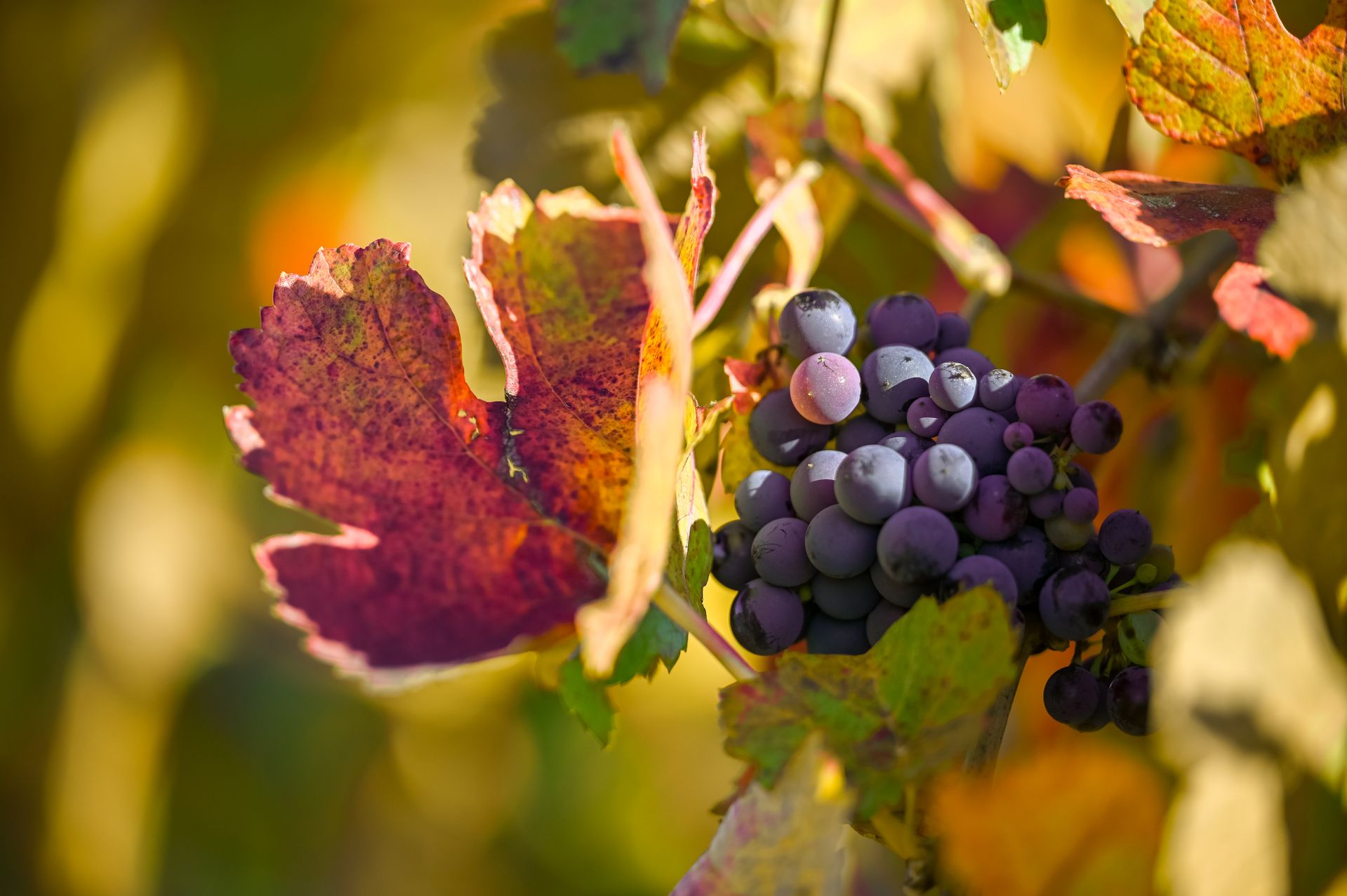
All Pictures are by me, taken during my last two visits to the Casablanca wine region.

Leave a Reply