
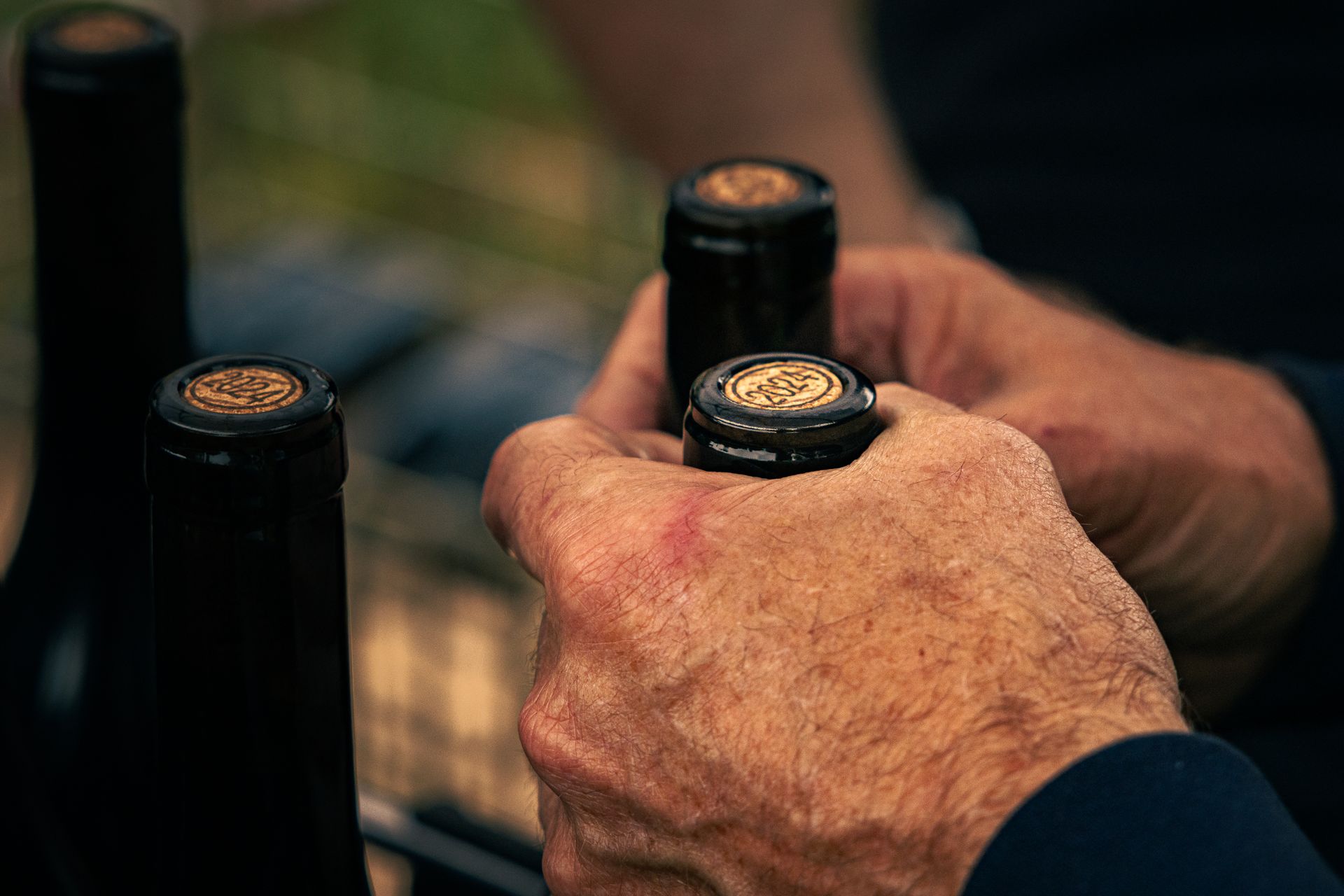
Master BYO wine etiquette! Understand corkage fees, learn what to ask before calling, and pick the perfect bottle to bring along.
Did you know you can take a bottle from home into a restaurant? Not all of them will accept it, but most will; you’ll only be charged a corkage fee—a nominal amount of money to cover service and the cost of the lost wine sale.
Still, there are a few things you should know before you grab a bottle from your collection and bring it to your favorite restaurant. Let’s talk about when it makes sense to supply your own wine while eating out.
The First Step: Is Corkage Available?
My suggestion is always to call first. As a general rule, a lot of restaurants will allow you to bring your own bottle, but not all. Just call them and ask. Even if the restaurant has no protocol for these cases, if you explain why you want to bring a particular bottle, they’ll understand. Well, most of them will.
You might find some resistance here and there, but sensible people tend to be accommodating. If you happen to run into a restaurant that’s unwilling to let you bring in a bottle even after explaining, then just look for a different place to dine; uncooperative establishments don’t deserve your money.
If they’re willing to let you bring your own bottle, the next question should be what their corkage fee is. I’m not saying no restaurant will do it for free—I’m sure there’s at least one out there that does—but most will have a price for it. Sometimes, that charge can be steep, so it’s better to know beforehand.
You’re now ready to bring a bottle into a restaurant. But…
Can You Just Bring Any Bottle for Corkage?
Well, technically, yes. However, you shouldn’t bring a bottle that the restaurant already offers, for instance. Corkage isn’t a lifehack to avoid the surcharge that restaurants add to the cost of the wines they’re offering. So, don’t just stop by your favorite wine store before making it to your dinner reservation.
Ideally, you’re not bringing common, easily available wines either. I mean, who am I to judge what makes a wine special to you? But if a server at the restaurant can walk a couple of blocks into a supermarket and get the same wine you’re bringing, then you better have a great reason for bringing it in.
And maybe you do! Maybe the owner of the winery gifted you that bottle, or it’s the first wine your daughter bought to share with you after her first paycheck. Just make sure the restaurant knows. They might not say anything to you directly, but there’s a risk that they feel taken advantage of and may go as far as to deny further requests for corkage.
What’s A Good Bottle to Bring to a Restaurant?
Ideally, the wine brought into a restaurant is meaningful to the customers in some way. Perhaps it’s a special occasion wine—something reserved for a birthday, anniversary, or perhaps for reaching a career milestone. It can be an old bottle, or one from a rare or meaningful vintage.
Or maybe the wine was a gift, or something a couple or business partners purchased together to uncork on a specific date or after achieving a particular goal. It could also be a wine not easily found—or plainly unavailable—in the local market.
The wine selected for corkage doesn’t have to be expensive, though it often is. It’s just a special wine that’s not offered by the restaurant and that means something to the customers.
So, you bring the wine, and they charge you for it? Only for uncorking and serving it? Well, yes; but there’s more. Let me explain.
What Exactly Is the Corkage Fee For?
Some corkage fees are expensive, with a few of them being borderline ridiculous. Most of them, however, are reasonable. But reasonable for what? They’re not for the service, right? What’s the service fee for? Didn’t you just tip them?
Well, let’s break it down.
The service fee is for the server, not the restaurant, and they are the ones setting the price for corkage. Additionally, the server kinda gets shortchanged if you don’t pay for the wine you’re drinking because the bill is lower. Lastly, many cultures don’t tip, like Europe, for example. So, the service fee does not equal, nor does it replace, the corkage fee.
If the restaurant is the one setting the corkage fee, what are they charging for exactly?
There are several factors helping explain why restaurants charge you for bringing your own wine.
Opportunity Cost
If the restaurant is not selling you a bottle, they’re losing on the potential profit that they would make if they sold you the wine. For that reason, some restaurants will fix their corkage fee at no less than the markup they set for the least expensive wine on their menu.
You might be thinking that if you don’t bring your bottle then you would only order water, so the restaurant is losing that profit anyway, but you are sitting at a restaurant and drinking wine. I think the restaurant is entitled to charge you for it. After all, there are other reasons for the corkage fee.
Service Staff’s Time
You provide the wine, but the service still needs to uncork it, pour it, refill glasses, and make sure the bottle is kept at the appropriate temperature. All those actions take time, and the restaurant wants to make sure they are compensated for those moments where they are handling your bottle.
And don’t tell me that you’ll bring a screwdriver and serve yourself. If you go to a restaurant with a bag of groceries and ask to use their kitchen to cook yourself some dinner, you will be denied. The restaurant has already gracefully allowed you to bring your own bottle; let their servers and sommeliers do what they do.
Overhead Costs
This is a factor often overlooked by customers, but the wine you’re drinking—even if you bring it yourself—needs to be served in glasses provided by the restaurant. Some might even need to be chilled, decanted, or both. Glasses and decanters need to be cleaned, stored, and replaced, and they can break. Those are costs that need to be covered by the customer.
Now, I know that glasses and decanters need to be stored and cleaned regardless, and they still can break and need to be replaced, but the risk is higher if they are being used.
Competition and Type of Establishment
Lastly, restaurants do decide on how much to charge for corkage based on what their competition is doing and on what type of restaurant they see themselves as being. Higher-end restaurants will generally charge more than casual eateries. However, they will also be finding out what similar restaurants are doing, particularly those located in the same neighborhood as they are. Furthermore, a restaurant might choose to match the corkage fee of all other restaurants nearby regardless of what type of establishment they are.
The Last Drop
Most of my hospitality industry experience was at the back of the house, so I’m sure I missed several customers bringing their bottles into the restaurants I’ve worked for. When I worked as a server, however, I didn’t see a lot of corkage instances. I don’t know if my experience is typical, but I can’t say that it happens a lot. I think customers are generally happy to accept whatever selection of wines that the restaurant offers.
Except… I’ve visited several restaurants here in Chile with great food and friendly service, but with a sad wine selection. I like going to those places, so I see myself asking them if I can just bring my own wine in. What’s stopping me from doing it is that the bottles I bring for corkage would be regular wines from my collection, going against what I said above about bringing meaningful or difficult-to-find bottles; I just disagree with their wine programs. I don’t understand how restaurants in Chile—a country with so many excellent and interesting wines—can neglect their wine lists. But that’s not a rant for this article.
What do you think about restaurants charging a corkage fee? If you didn’t agree with the concept before, do you at least understand why they do it now after reading this article?
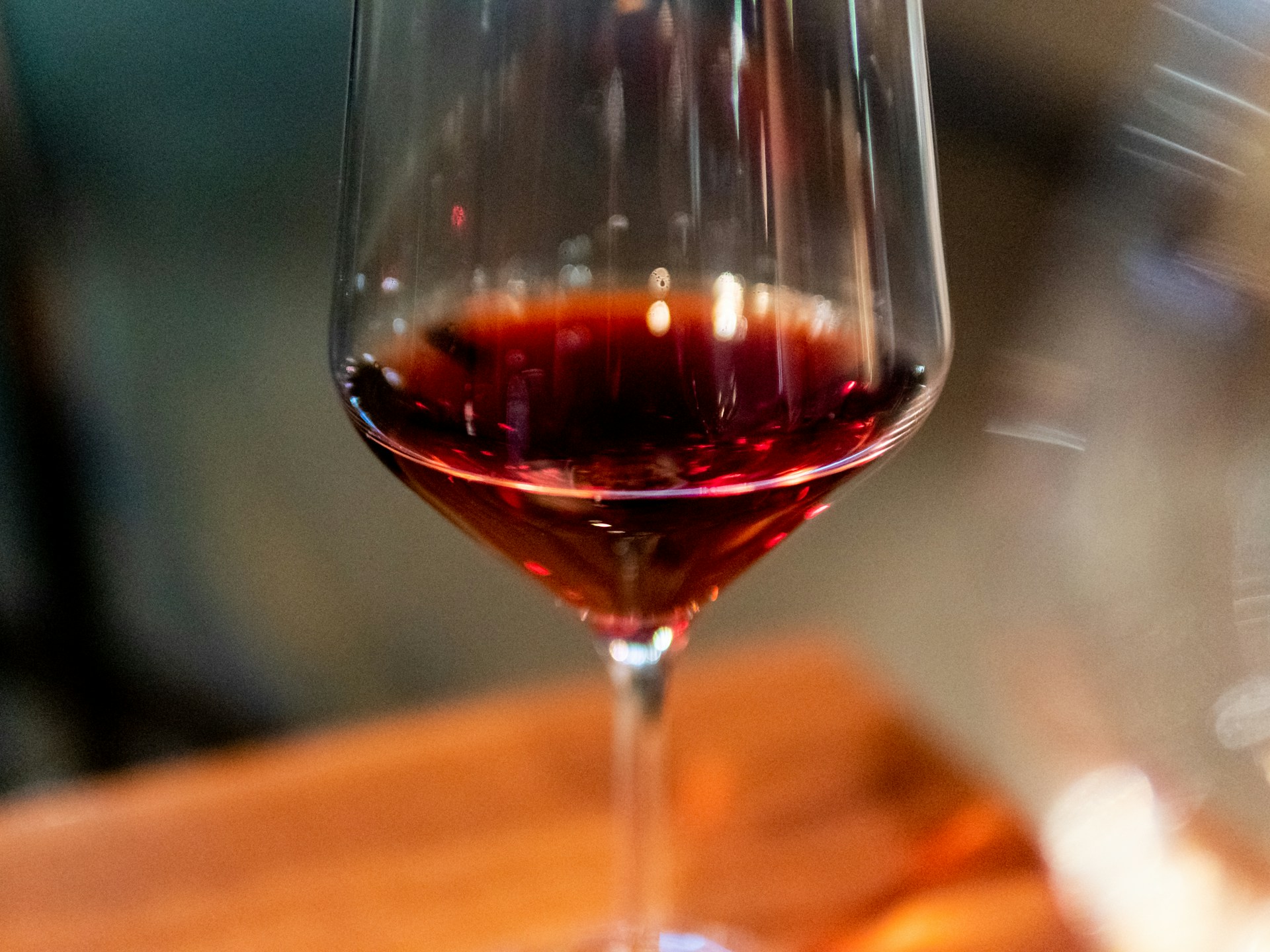
Cover Image: Bringing your own wine to a restaurant? Be ready for a corkage fee. Photo by Alex Grandidier.


Leave a Reply