
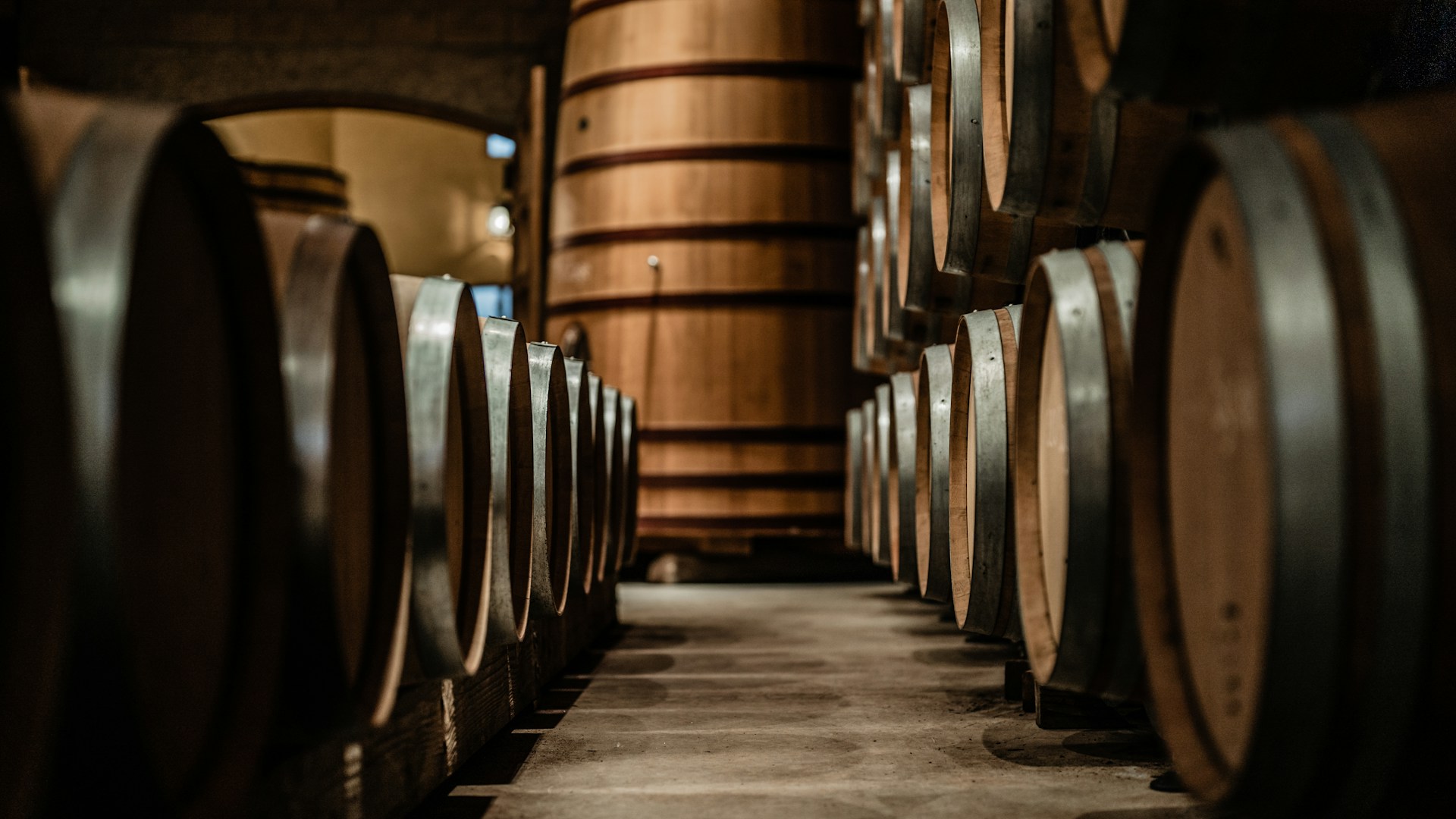
From traditional oak barrels to clay amphorae, explore how winemakers use wine aging vessels to transform flavor, structure, and aroma.
One of the many decisions that winemakers must make regarding their wines is whether to age them or not. If they decide to do so, they need to evaluate how long to age it and what vessel to use in the process.
Today I want to talk about that last part of the puzzle: how the material of the wine aging vessel affects the final product. Let’s get into it!
Oak Is the Most Common Wine Aging Vessel
When I think “aged wine”, my mind immediately goes to oak barrels. Yours probably does too, unless you live in a country where other aging methods—amphorae, for instance—are more prevalent.
Additionally, when I think oak barrel, a very specific one comes to mind: the classic French oak 60-gallon (or 59… some are just a wee bit smaller) barrel. But that’s just another decision that the winemaker must make when aging wine.
It goes deeper than that.
Oak from Where? How Big? How Toasted?
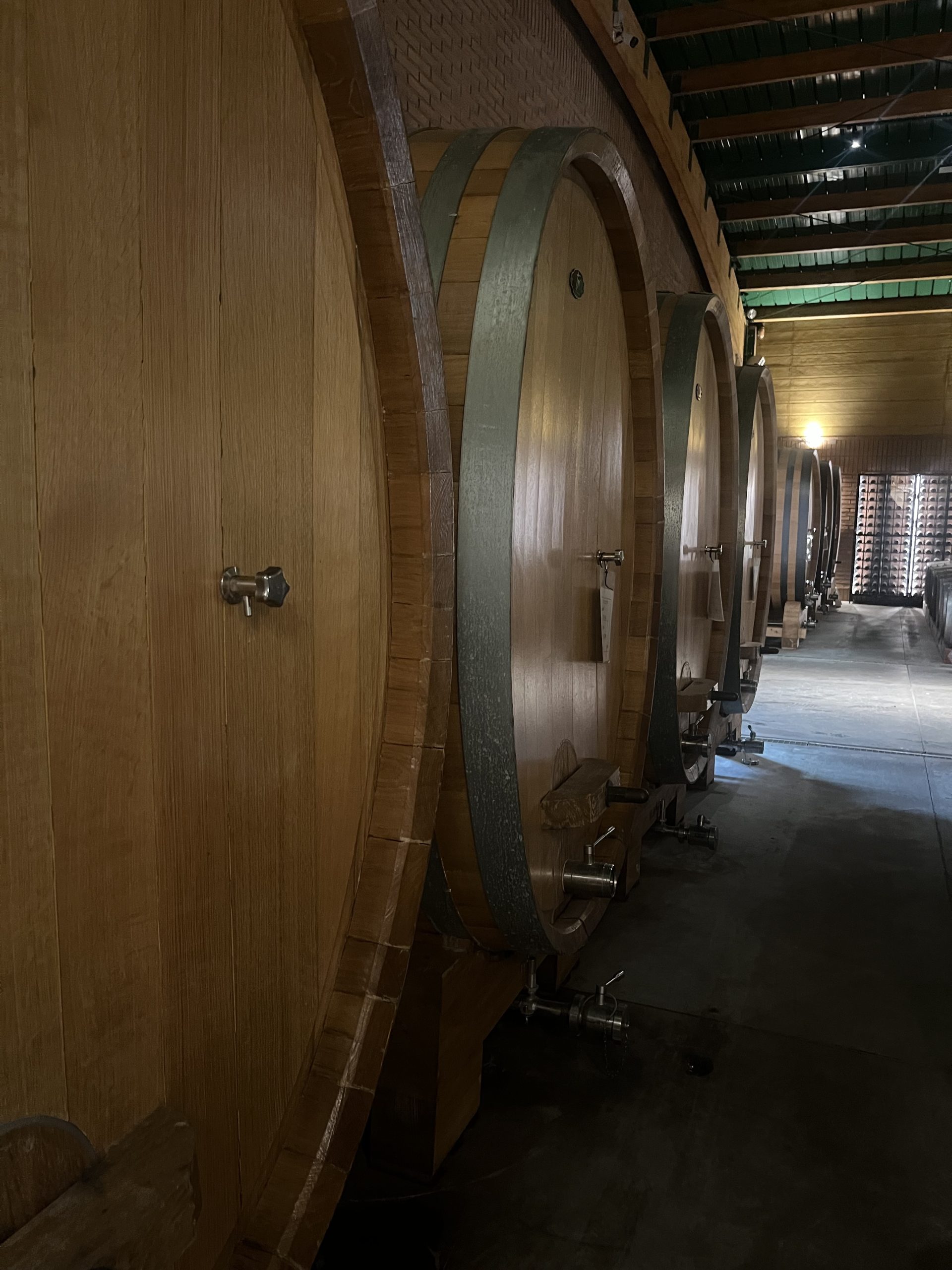
So, the vintner decided on oak as a wine aging vessel, huh? Cool! Oak from where?
The Many Nationalities of Oak
Yes, because French oak is traditional and almost all the most expensive wine in the world is aged in it. Of course, a large portion of those wines come from France (Bordeaux and Burgundy, specifically), but it’s also because French grapes and styles thrive worldwide. Think Cabernet Sauvignon from Napa or Maipo.
But oak to make wine aging vessels doesn’t only come from France. Some producers might choose to use American oak. Traditional Rioja wines, for instance, are aged in barrels made with American oak, even if some newer producers are switching to French oak. American oak famously gives hints of coconut to the finished wine’s nose, which is a reason to both embrace or discard it.
Another alternative is Hungarian oak, which shares aromatic characteristics with French oak, but it’s cheaper. And I know I said Hungarian, but it’s the same with other Eastern European countries also producing oak barrels to use as wine aging vessels. One of them is Slovenia, which makes the preferred oak barrels to age Barolo in northern Italy. Of course, those wine aging vessels are larger, which brings me to the next decision that the winemaker must make.
The Size of the Barrel
There is no standard for barrel sizes—even Bordeaux uses a different size (by one gallon) than Burgundy. Still, both are near 60 gallons, or around 228 liters. The Slovenian oak botti, as they’re called in Italy, used in the aging of Barolo, can hold up to ten thousand liters. There are other sizes, some smaller, some larger, and many in between. How does the size of the cask affect the wine?
Well, the smaller the wine aging vessel, the more liquid is in contact with the oak, and therefore more of the wine is exposed to the wood’s characteristics. In other words, it will smell smokier and with stronger notes of vanilla. But also, it will get more of the tannins from the barrel. No decision is a bad one, but it is important for the final product.
And that brings me to an additional consideration:
How Toasted Should the Barrel Be?
When an oak barrel is made, the cooper toasts the inside by placing the vessel over an open fire. It’s controlled fire, of course, and the idea is to shape the wood, to help bend it. The welcomed side effect is that the flames soften the tannins and help create those characteristic oak aromas, like caramel and spice.
Certainly, the time of exposure to the flames impacts the depth of the aromas that will subsequently be imparted to the wine.
Is the Oak Barrel New or Used?
There’s another consideration in wine barrels: how many times it has been previously used in winemaking? New barrels provide stronger oaky aromas and firmer tannins. I know a winemaker who deliberately selects barrels with over twenty uses to make his wine, because he wants it fresher and more mellow.
There are woods other than oak that can be used to make wine aging vessels, like chestnut, but I don’t want to keep expanding on this section. The winemaker already has too many things to consider with oak barrels alone.
But wood isn’t the only vessel used to age wine.
Stainless Steel: The Other Common Wine Aging Vessel
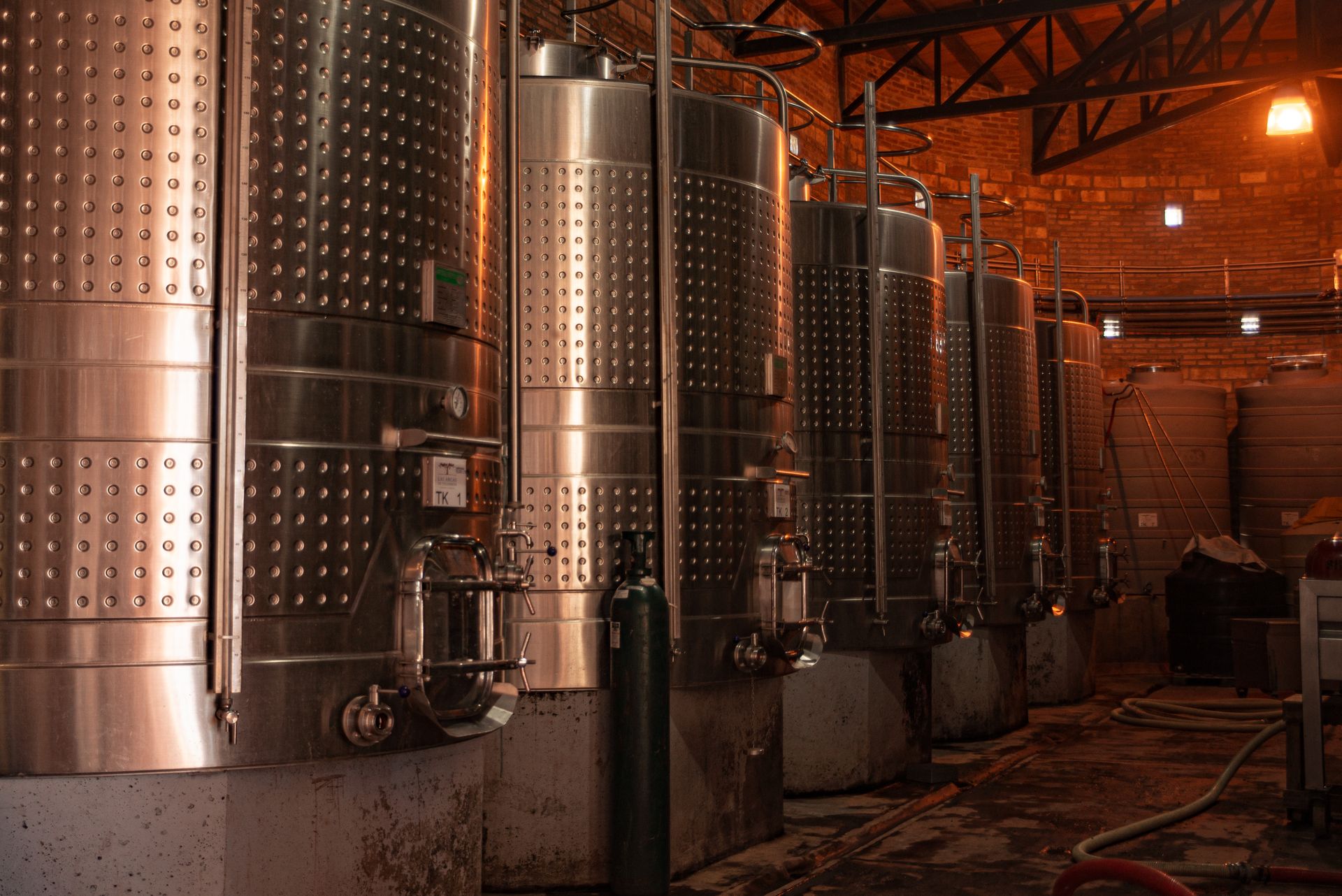
So, oak imparts flavors and aromas to the wine, but what if the winemaker wants to preserve as much of the fruit’s purity as possible? Well, stainless steel is the popular solution.
Wines using stainless steel for aging tend to feel cleaner, and since they don’t get the influence of wood, have a lighter mouthfeel as well. To understand what I mean, compare how an oaky California Chardonnay feels in your mouth versus a crisp Sauvignon Blanc from New Zealand or Casablanca here in Chile. The latter white wine is aged in a stainless-steel tank, which is why you can clearly smell the fruit and salinity in it.
Using stainless steel as a wine aging vessel preserves the fruit, but winemakers also like it because it’s not as expensive as oak, and because it’s easier to clean.
Amphorae: The Oldest Wine Aging Vessel
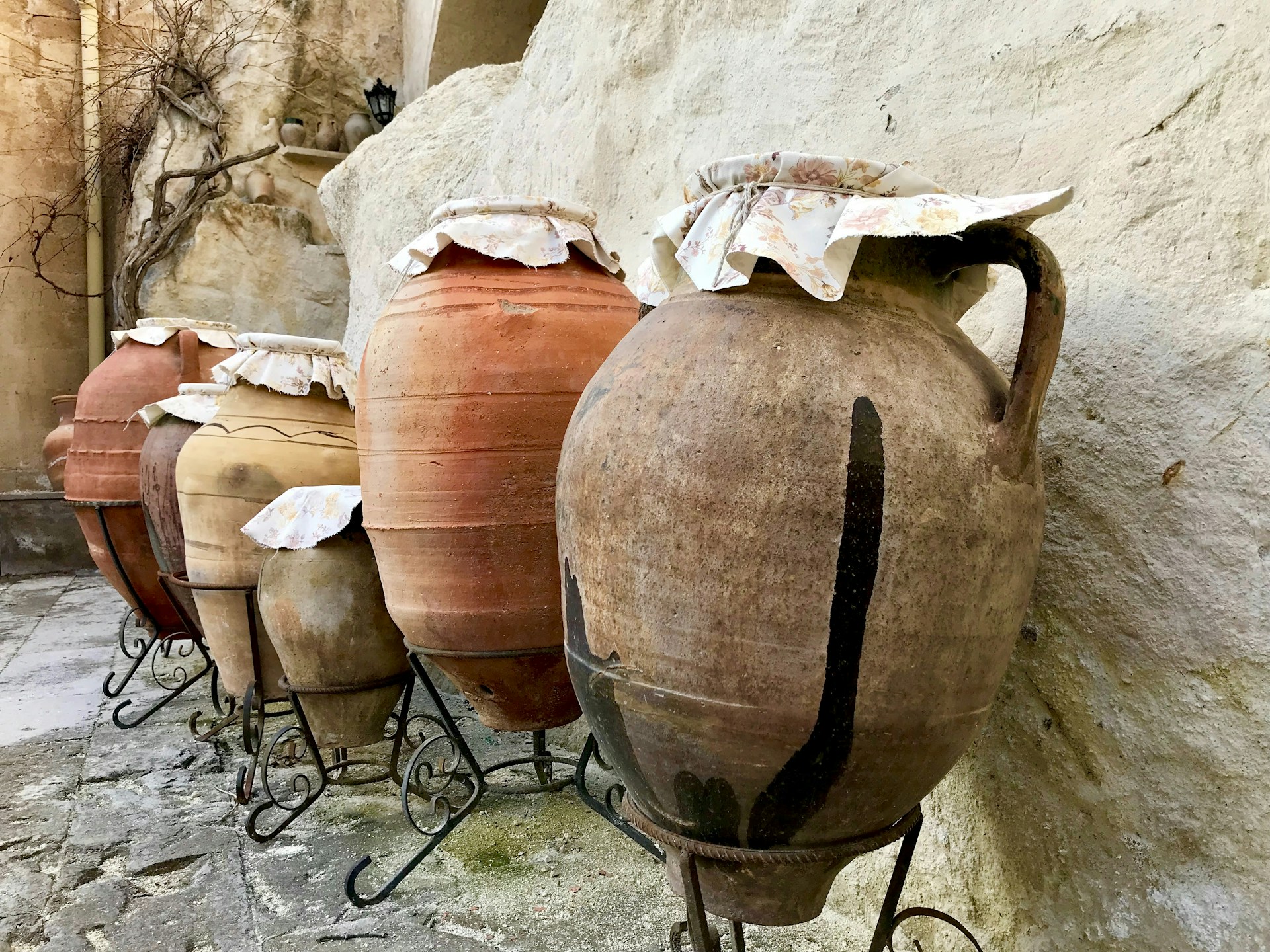
Experts believe that wine was first produced in the Caucasus, in what today we call Georgia and Armenia. In the former, some wine is still made close to what it was six thousand years ago: fermenting in clay amphorae underground. Well, they weren’t exactly amphorae, but qvevris, so close enough.
The wine they still make in Georgia is a skin-contact natural wine with a stunning amber color that’s a real showstopper. If that sounds familiar in wines outside of that region, then you’re aware that orange wines are trendy right now, and therefore amphorae, as wine aging vessels, are also seeing a recent growth in popularity.
Amphorae, like oak barrels, are porous, and therefore allow a little oxygen to get into the wine, allowing it to evolve. This gives the finished product some structure, developed flavors, and even some tannins. Amphorae, however, do not impart additional aromatics; so, similar in that way to stainless-steel wine ageing vessels.
Concrete Wine Aging Vessels Work Like Clay Amphorae
Like I mentioned in the last section, Amphorae are going through a recent resurgence, but they had been largely forgotten about. So, when winemakers wanted a porous wine aging vessel that would not contribute additional aromas to their wines, they turned to concrete.
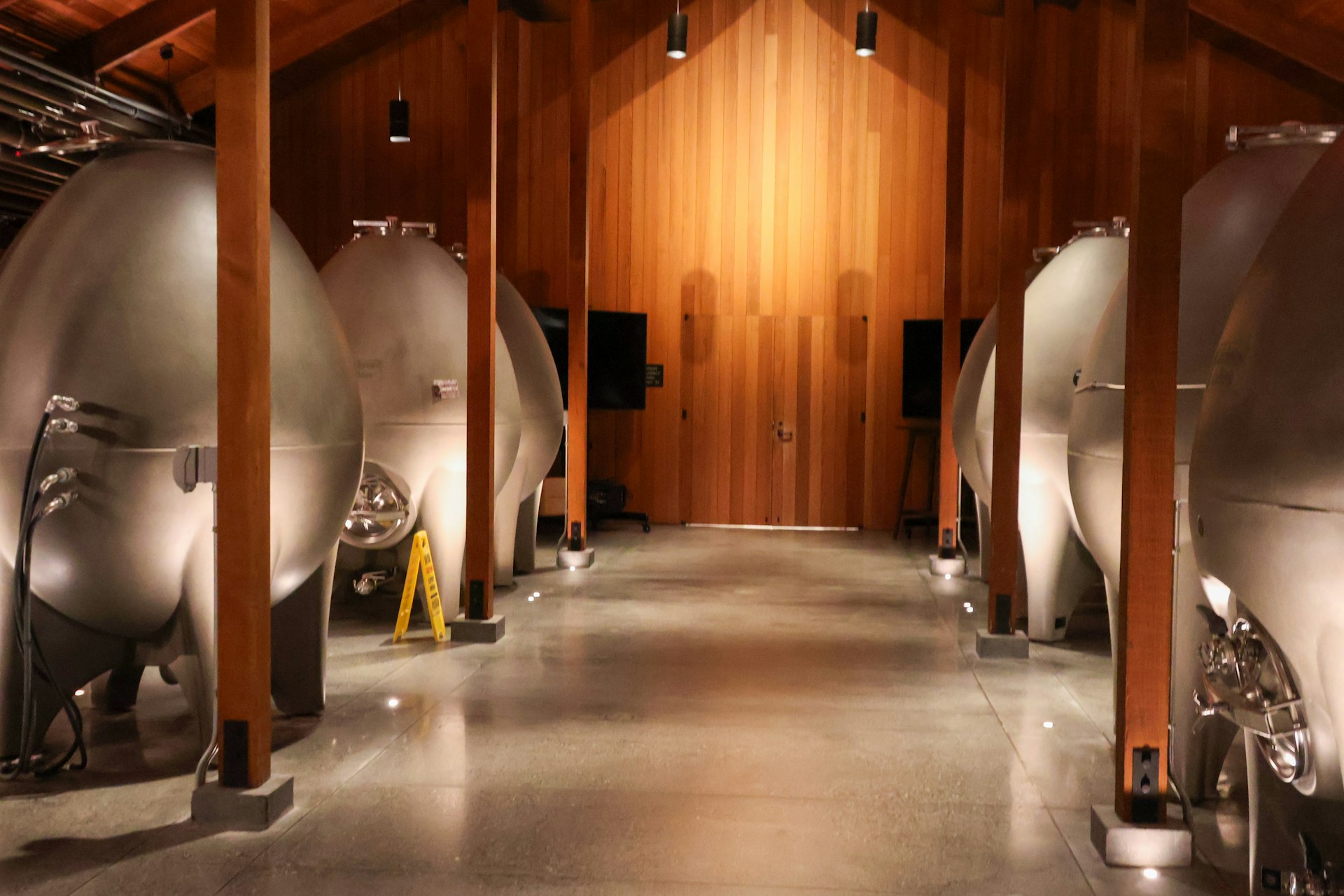
Concrete is a good middle ground between oak and stainless steel. Wines aged in these tanks tend to taste fresher and even a little mineral-driven. I’ve seen more concrete wine aging vessels than clay. They’re shaped like square boxes or smaller eggs.
Aging Wine in the Bottle
I’m going to say this counts. Whether because the winery withholds the bottles before releasing them or because you—the consumer—choose to store them before uncorking, letting the wines sit inside the bottle effectively ages them. Some producers, and some regional regulations, are specific about how long the wine must sit in the bottle before selling it. I know one producer who ages his wine three years in oak and seven in the bottle before making them available to the public.
Glass isn’t really porous, but natural cork is and therefore allows a little oxygen to seep in and interact with the wine, evolving it into a mellower and sometimes smoother drink. You just have to tuck your bottles in a dark, dry space and let them rest. Just remember, most wines are not made to age; most will end up spoiling.
The Last Drop
There are other wine aging vessels I will not go deep into because I have not seen them or because they are uncommon. Some winemakers, for instance, age their wines in fiberglass tanks. A little more common is plastic, which is used to ferment, but some winemakers leave it there to age as well.
From the soil to which closure to use, there are many decisions facing winemakers in every step of the winemaking process; it’s no wonder that wines, even the same varietals from the same regions, taste so different. Whether to age their wine, and in which vessel to do it, is only one of them, but it’s an important one.
Cover Image: Oak barrels are the most common wine aging vessels. Photo by David Goldman.


Leave a Reply