
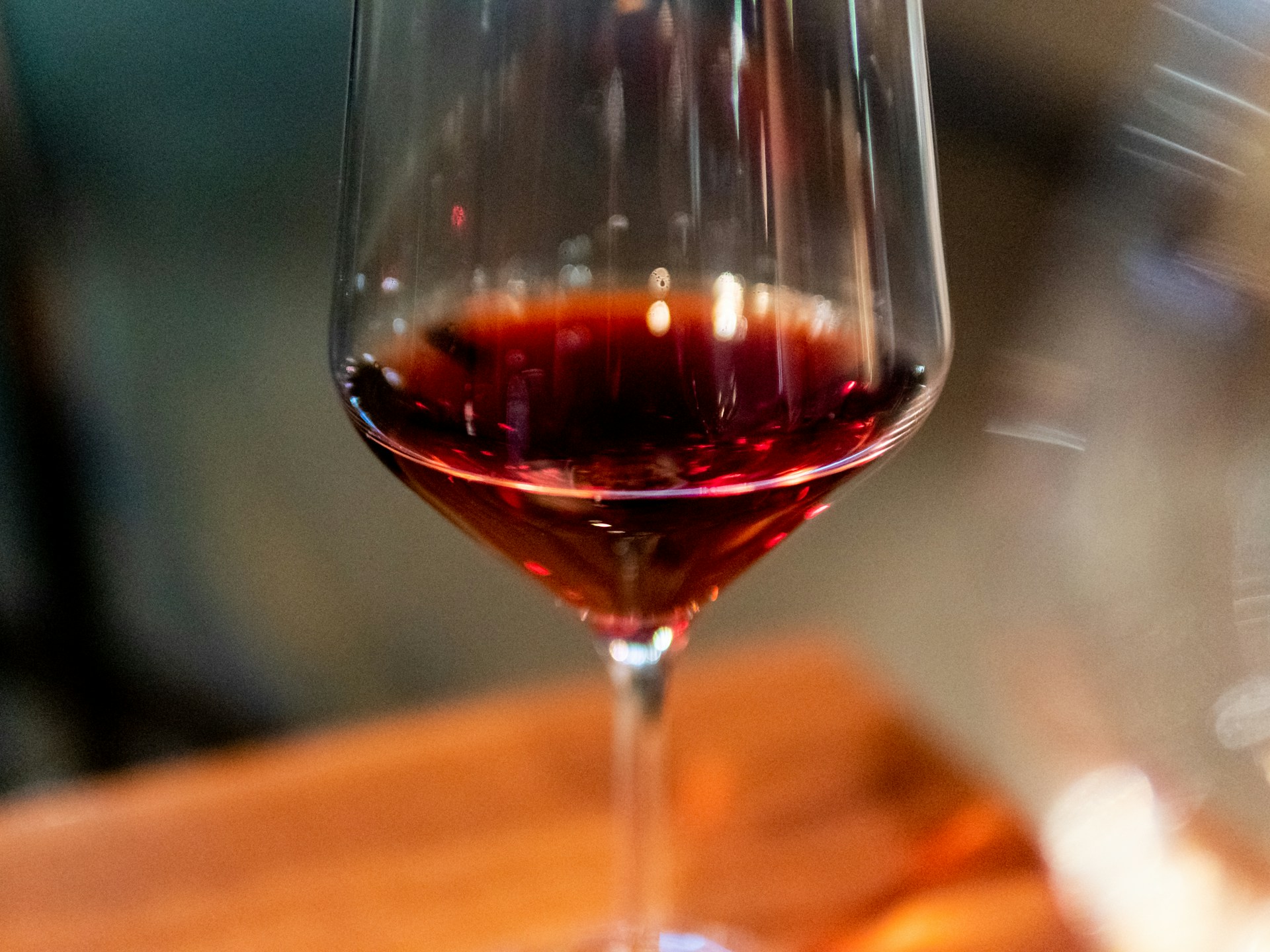
Looking for a light, food-friendly red? Learn why Cinsault is the old-vine revival grape you need in your glass today.
While publishing my article about the Itata wine region in the south of Chile, I was setting all the internal links—you know, if I mention something I’ve already talked about, I add a link to the relevant article. Well, when I got to Cinsault, one of my favorite grapes from that region, I was surprised to not find that article. I can’t believe I haven’t written about it yet! Time to right that wrong.
In this article we’ll talk about the importance of Cinsault as a blending grape, and how it’s seen a recent revival due to shifting drinking trends favoring lighter reds. I don’t drink as much of it as I would like, but it grows beautifully in the southern wine regions of Chile.
Let’s get into it!
A Brief History of Cinsault
I must level with you—we’re not totally sure where this grape comes from. The best we can do is tell you that it’s an ancient grape, and that it likely originated in what today we know as the Occitanie region in the south of France. To clarify, Occitanie was established as a region in 2016, merging the former administrative regions of Languedoc-Roussillon and Midi-Pyrénées. To make things more confusing, the wine region where Cinsault is still planted is still called Languedoc-Roussillon.
But enough of that; Cinsault is believed to originate in the Mediterranean south of France. We don’t really know how it got its name, but it’s also known as Cinq Sao. Now, Cinq means five in French, but what about that second part? Well, that’s also uncertain. We believe it derives from the regional dialect spoken in the area, and it might have something to do with money. Sao might be a variation of sou, a monetary unit. Therefore, Cinq Sao would spring from cinq sous, or five coins. We’ll get to our theory of why this might be the case a little later.
As you can imagine, Cinsault is used for blends in the Languedoc-Roussillon region. It’s also important in rosé wines from Provence.
Cinsault Travels Well
Since Cinsault was an important grape in France, and because of how sturdy its vine is, it was extensively planted in the former French colonies of Algeria, Morocco, and Tunisia. I’m regrettably not familiar with the wines from those regions, but I know that Cinsault was originally planted there because of how well the vine resists drought. Understandably, this grape was used to make bulk, cheap blends.
Italy is interesting, because Cinsault is mostly used as a blending grape in Puglia, the heel of the boot. However, in that same wine region, there exists a tiny subregion making red wines that must be at least 85% Cinsault, though the grape is called Ottavianello.
Cinsault is not overly popular in the US, with few plantings in California, Washington, and—surprisingly—Texas. However, in California they do have some old vines from this grape planted in the late 1880s. As the global trend moves to lighter reds, maybe we’ll soon start seeing more wines using this grape as an alternative to Pinot Noir or Garnacha.
A lot of Cinsault is grown in South Africa, where it was called Hermitage until the 1970s. This is significant because the grape was crossed with Pinot Noir to create South Africa’s signature grape: Pinotage. Cinsault, however, was mostly used in blends with Cabernet Sauvignon—just a grape to add fruitiness and bulk. Fortunately, it’s seeing a revival in this country, and now you can find good quality Cinsault wines, producing red and rosé styles.
What About Chile?
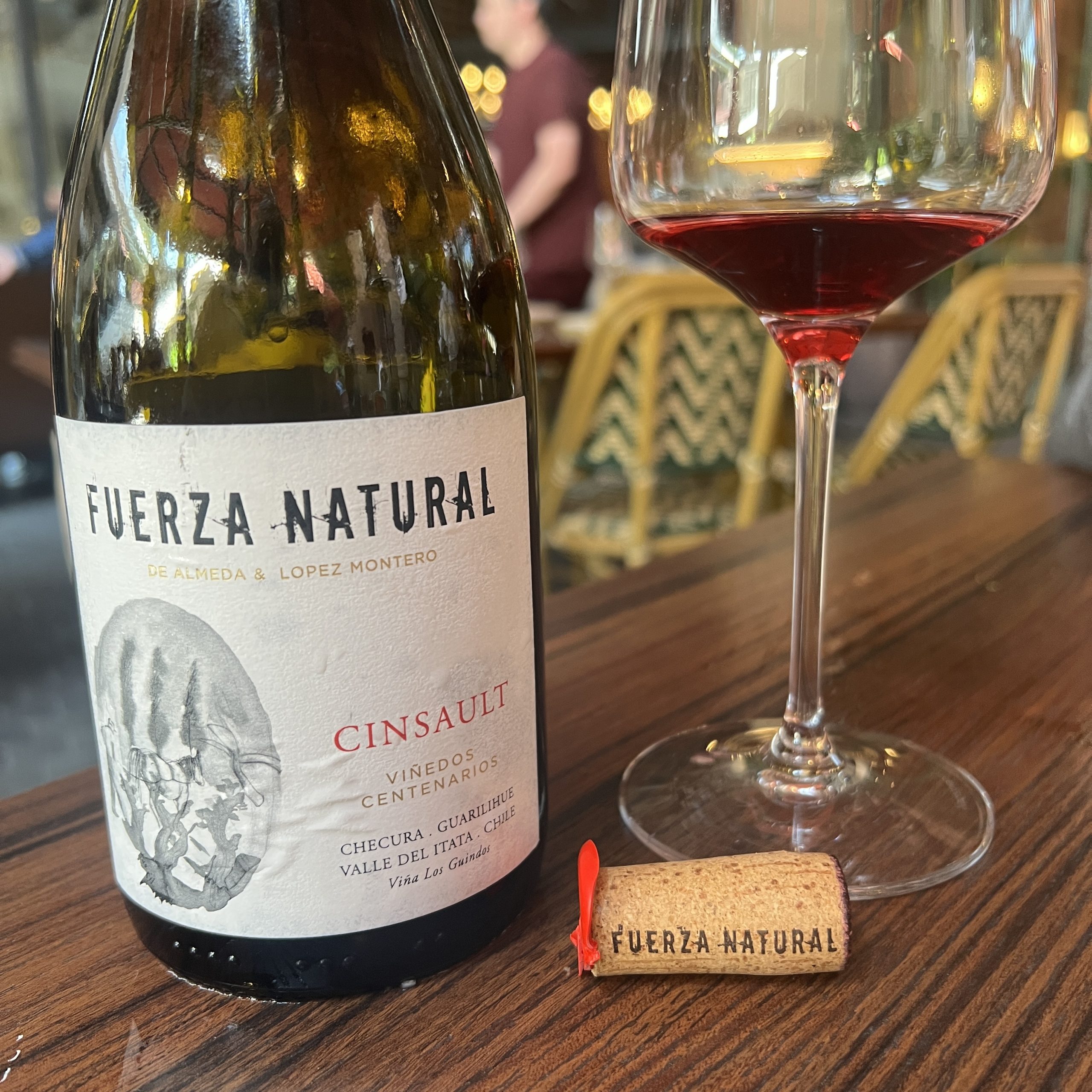
Some of you might know that I’m based in Chile, and you’ve probably seen that Chilean wines feature prominently inside the pages of this blog. I don’t know why I’m just telling you now, publishing my 76th article after around two years since I started it, but here we are. In any case, Cinsault is gaining ground in vineyards in Itata, Maule, and other wine regions in the south of Chile.
The grape, much like Garnacha, arrived in Chile to help rebuild vineyards after the 1939 earthquake that shook Chillán, which is about 230 miles (370 kilometers) south of Santiago. The idea was to plant this high-yielding plant to help revive the industry in the area. As such, Cinsault was originally used to make inexpensive and unimpressive blends, and when Bordeaux varietals came into fashion in the 80s, Cinsault was somewhat forgotten.
Fortunately, Chilean winemakers have rediscovered these now-eighty-year-old-vines in the southern dry-farmed areas in the south and are producing some of my favorite lighter-bodied reds with Cinsault, Garnacha, and País.
What Kind of Wine is Cinsault?
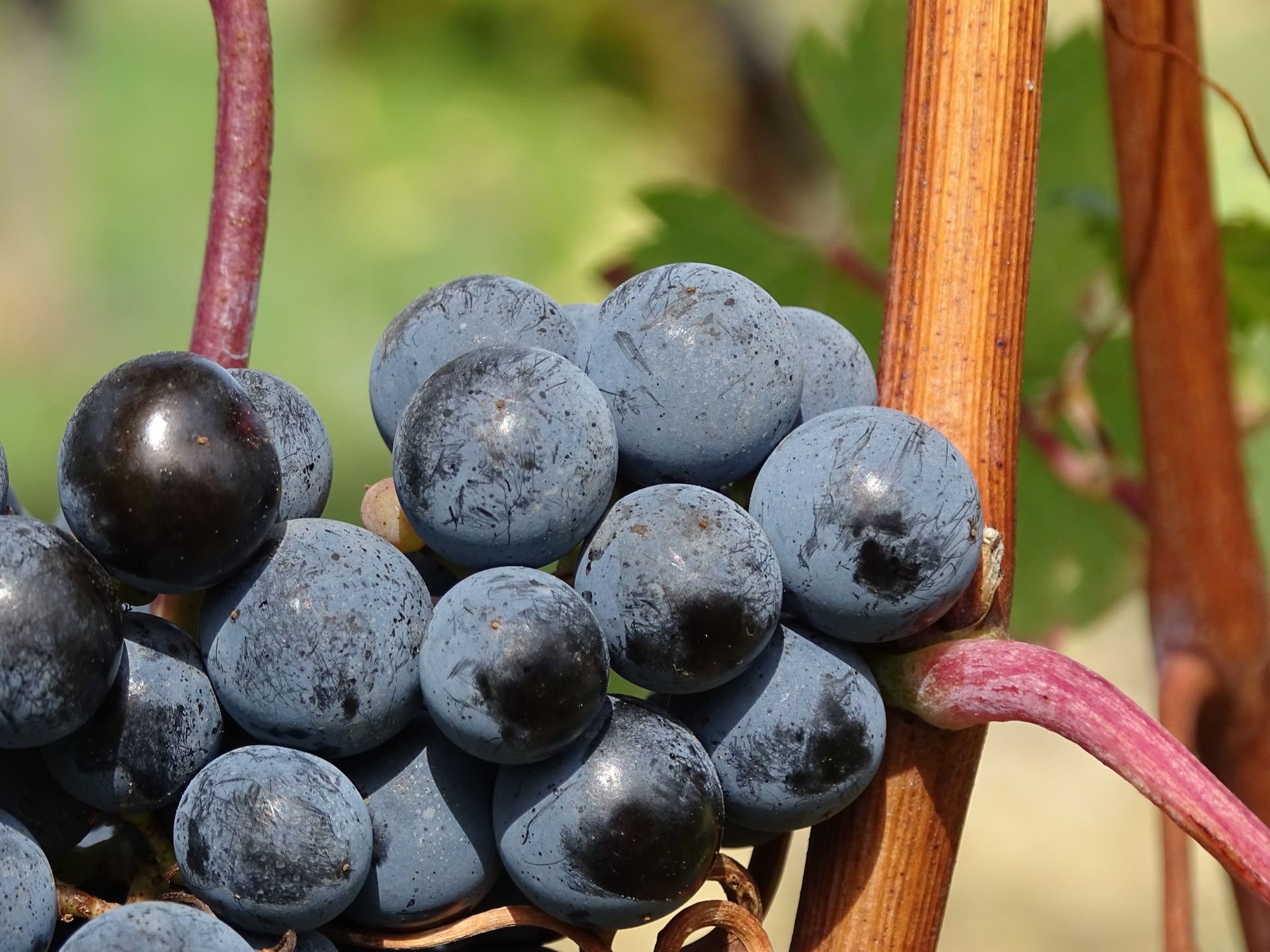
I mentioned above that Cinsault makes lighter reds, though in warmer areas the berries ripen more, producing wines with a bit more body. Still, because the grape has a thin skin, the wines it makes will never be more than medium in body.
Cinsault produces juicy wines that tend to be pale red in color, have medium acidity, and are typically fresh, so you should consider serving them slightly chilled.
We also shouldn’t forget the importance of this grape in making rosé, particularly in the Provence wine region, but this is also true anywhere else growing it.
It’s now seeing a revival, and winemakers have rediscovered Cinsaut, partially due to consumers shifting to lighter reds with lower alcohol. However, it’s still a resistant and high-yielding grape, which in why I want to go back to the Cinq Sao, deriving from cinq sous, meaning five coins, as I mentioned earlier. This was just a way of saying that Cinsault was a cheap crop, worth five pennies, due to how popular and widely planted it was throughout the Mediterranean wine regions.
What About Pairings?
Wine pairs wonderfully with food; of course, Cinsault is not the exception—garlicky, fatty food is great with it. In France, think escargot, but I’m in South America—for me it’s crispy chinchulines. Moreover, it will also go well with grilled seafood, charcuterie, soft cheeses, and generally North African food. I recently had Cinsault with a Peruvian-flavored brothy rice with ossobuco, and it paired deliciously.
Now, pairing wine with food is great… but, have you tried pairing wine with mood? Wine is more about the moment and the company than about what you eat when you uncork. Cinsault is the wine to drink when spring temperatures rise and you can finally spend an afternoon outside, under the sun, soaking in that fresh, light green foliage popping up, seemingly, out of nowhere. Of course, you can also pair it with music.
Cinsault is the perfect wine for the whimsical pop tunes of the 70s and 80s. Think Wake Me Up Before You Go-Go, by Wham! Or Head Over Heels, by The Go-Go’s… wait a minute… what‽
That was weird. Almost like I did it on purpose. Anyway, Cinsault is playful, light, and fresh. Take it to your beach party, serve it chilled, and thank me later.
The Last Drop
I admit I’m not that familiar with Cinsault outside of Chile. I’ve undoubtedly had it in Southern France red and rosé blends, but the only other Cinsaults I’ve had outside of Chile, as far as I can remember, are from Argentina. Even Pinotage, that Pinot Noir-Cinsaut cross, I’ve only tasted once, and that was over twenty years ago. I really like Cinsault from Chilean old vines, but I don’t know if that’s a great example of the wines that the grape typically produces.
One last thing before I go-go, I found it interesting that while researching for this article, I noticed that it has over sixty synonyms, according to its Wikipedia page, including some names that sound familiar (like Cinsaut, which I’ve sprinkled sparingly throughout this piece, Cincout, and Cinsanet), and some that are very different (like Prunaley, Boudales, and Mavro Kara Melkii). You might have had it before, just under one of its many different names.
Have you had Cinsaut before? I get excited about grapes like this one. As global wine trends move from juicy and bold reds to lighter, fresher ones, I believe we will soon discover it, like we are doing with Garnacha. It would be great to see both featuring more prominently in wine lists. I feel that Chilean restaurants are still stuck with the idea that in this country everybody should drink Carménère, forgetting that it’s really the diversity of terroirs and grapes that make Chile unique.
Cover Image: A glass of Cinsaut. Photo by the blowup.

Leave a Reply