

The Maipo Wine Region is Chile’s classic Cabernet country, blending Old World inspiration with New World flavor and innovation.
Maipo Valley is one of Chile’s most important and historic wine regions. Famous for its Cabernet Sauvignon, it’s home to several traditional Chilean wineries and some of the best and more expensive wines made in this country.
It seemed fitting to begin talking about Chilean wine regions here. Let’s get started.
Where Exactly is Maipo Valley?
Maipo is in Chile’s Central Valley. Yup, you got it—it’s in the middle of the country. Remember, Chile is long and thin, so we’re talking north to south[i].
So, the Andes mountain range is the eastern limit of almost the whole country, and Maipo Valley is no exception. To the west, it’s another cordillera, the coastal one. The Maipo wine region doesn’t border the ocean, but the coastal mountains get plenty of influence from maritime breezes and even some salinity. On the other hand, winemakers are climbing the Andes, looking for high altitude subregions to plant their vines.
To the north, the Maipo wine region borders Santiago. In fact, some of the better-known premium Chilean Cabernet Sauvignons[ii] are made in Puente Alto, the most populous neighborhood[iii] in Santiago. As the city grows, unfortunately, the valley gets smaller. To the south, Maipo borders the Rapel valley. Loosely speaking, the limits to the south are the rivers Maipo and Cachapoal, but in reality, one valley ends because another one begins.
A Little Maipo Valley (Wine) History
There are different opinions on the birthplace of Chilean winemaking. When Pedro de Valdivia wrote to the king of Spain asking for vines and wine to evangelize the locals, he did so from La Serena, the unofficial start of the north of Chile. Is that where they were planted first? Or does that honor belong to the Itata valley, in the south, where the ships bringing those requested vines and wines might’ve landed?
Well, and what about Maipo? That’s another theory. And due to the region’s proximity to Santiago, it’s a plausible one. The city was founded in 1541 and was the colonial capital of the region. I’ve gone into colonial wines in Chile in a little more detail in a previous article, but to be honest we don’t have a lot of information about it.
Soon after Chile gained its independence[iv], wealthy families[v] imported vines from France and kickstarted the country’s wine industry. French experts agreed that Maipo’s Mediterranean climate was perfect for French varietals, and Cabernet Sauvignon’s sturdiness thrived in this new region.
Chile has remained phylloxera free because it’s geographically isolated from its neighbors. Of course, it has the Andes mountains to the east and the Pacific Ocean to the west. But keep in mind the south is the Antarctica and the north we have Atacama, the driest desert in the world. Furthermore, the government established a strict agricultural border protection that prevented animals and plants from entering the country[vi].
Maipo Valley has, like the rest of Chile, never had phylloxera. This allowed the industry in this region[vii] to grow steadily into the 20th century.
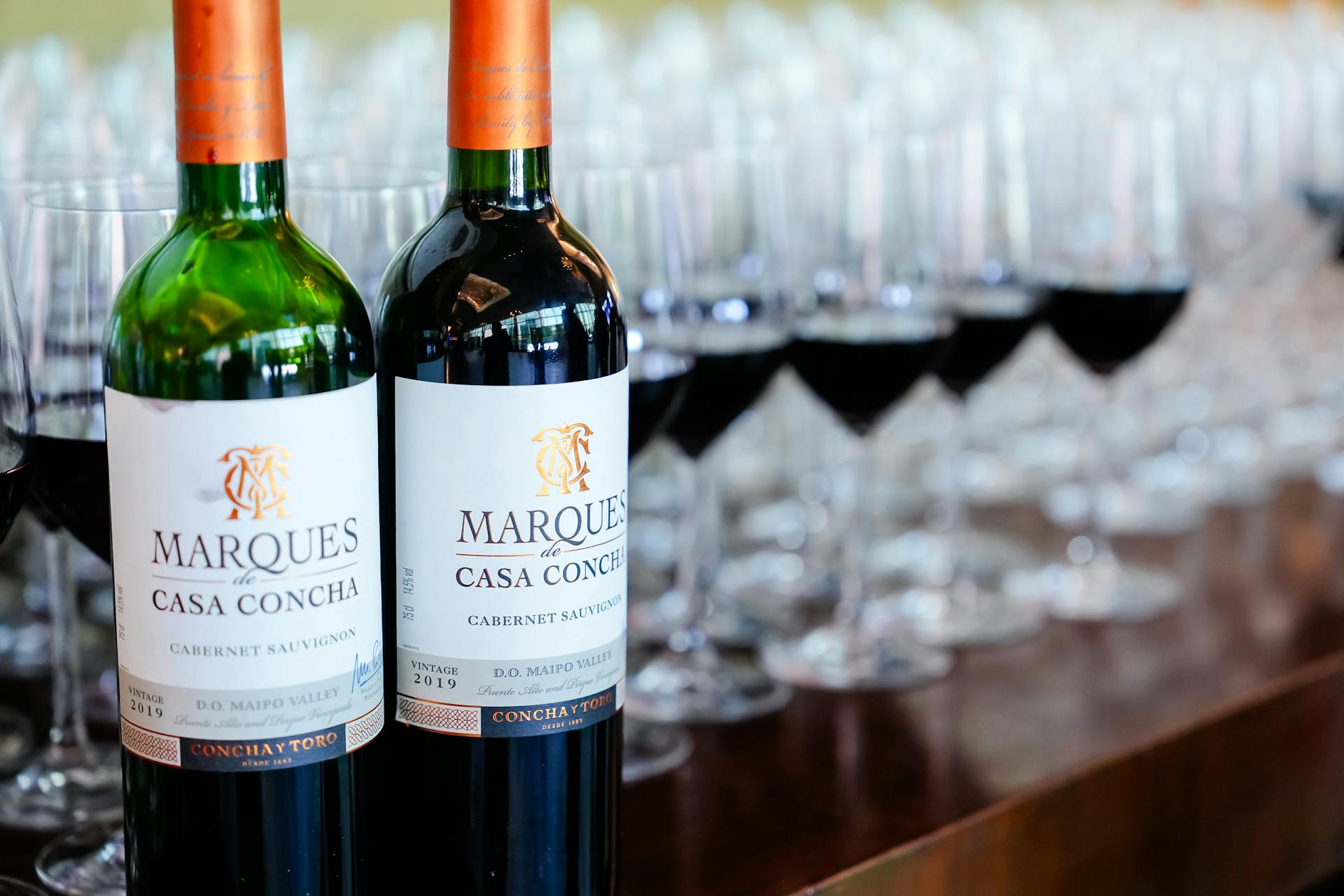
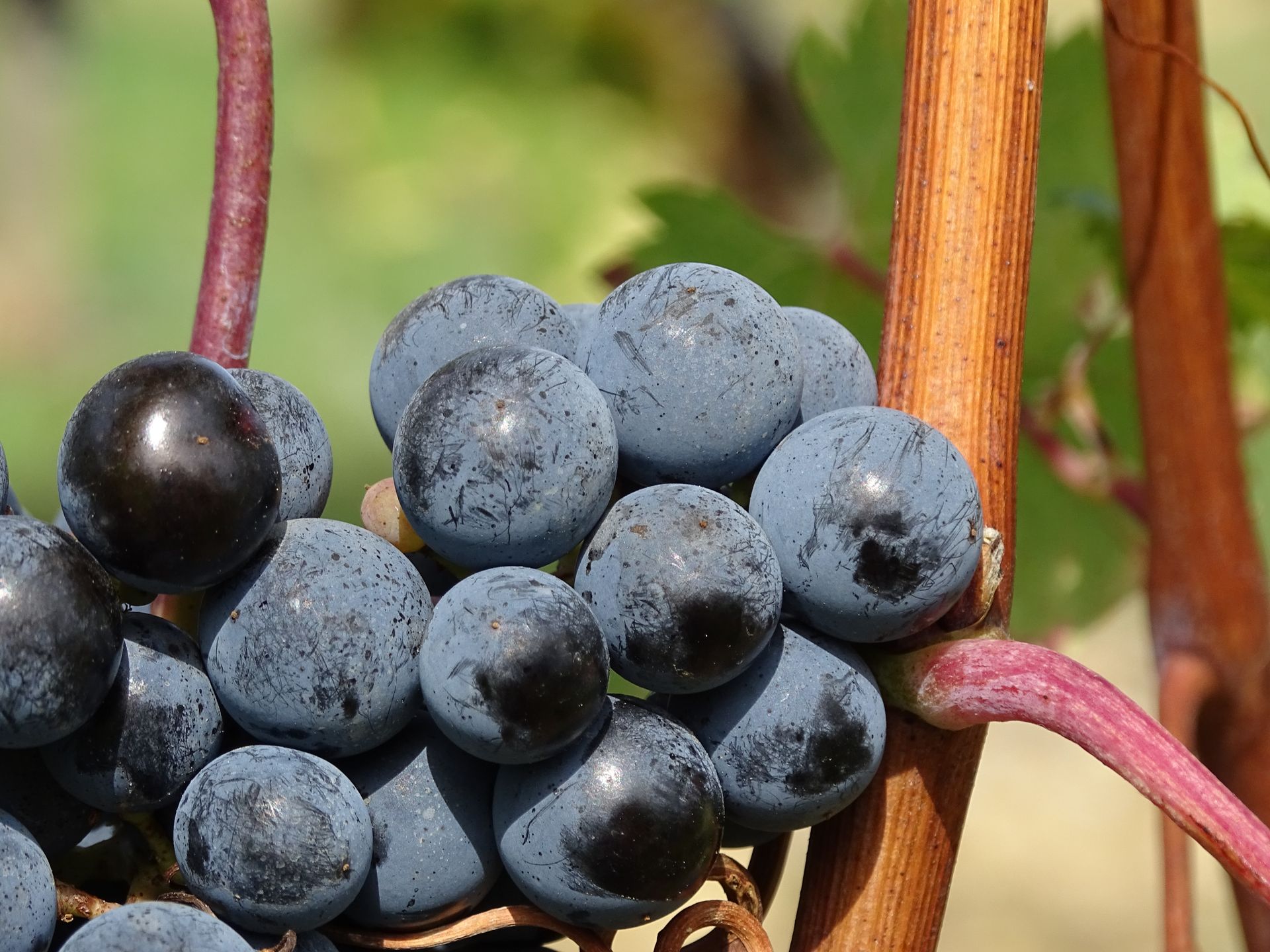
Photo by Lee C
Maipo Valley, the Bordeaux of South America
Maipo proved to be a great valley for Bordeaux grapes, particularly Cabernet Sauvignons. But the moniker doesn’t only come from the varietals. Owners brought over French winemakers to help care for their vines and make their wines and even copied French architecture for the buildings in their wineries.
Cabernet Sauvignon dominated the landscape until the global Merlot boom that started in the 1970s. Maipo Valley winemakers jumped at the opportunity and converted several of their plots to meet demand.
However, some of those grapes had been misidentified as Merlot, and in 1994 a French ampelographer correctly recognized them as another varietal, which was thought to be extinct. I’m, of course, talking about Carménère. Chilean winemakers decided to capitalize on the resurrection story and embraced those vines to make the country’s flagship wine. You can check my article on the subject to learn more about Carménère’s interesting history.
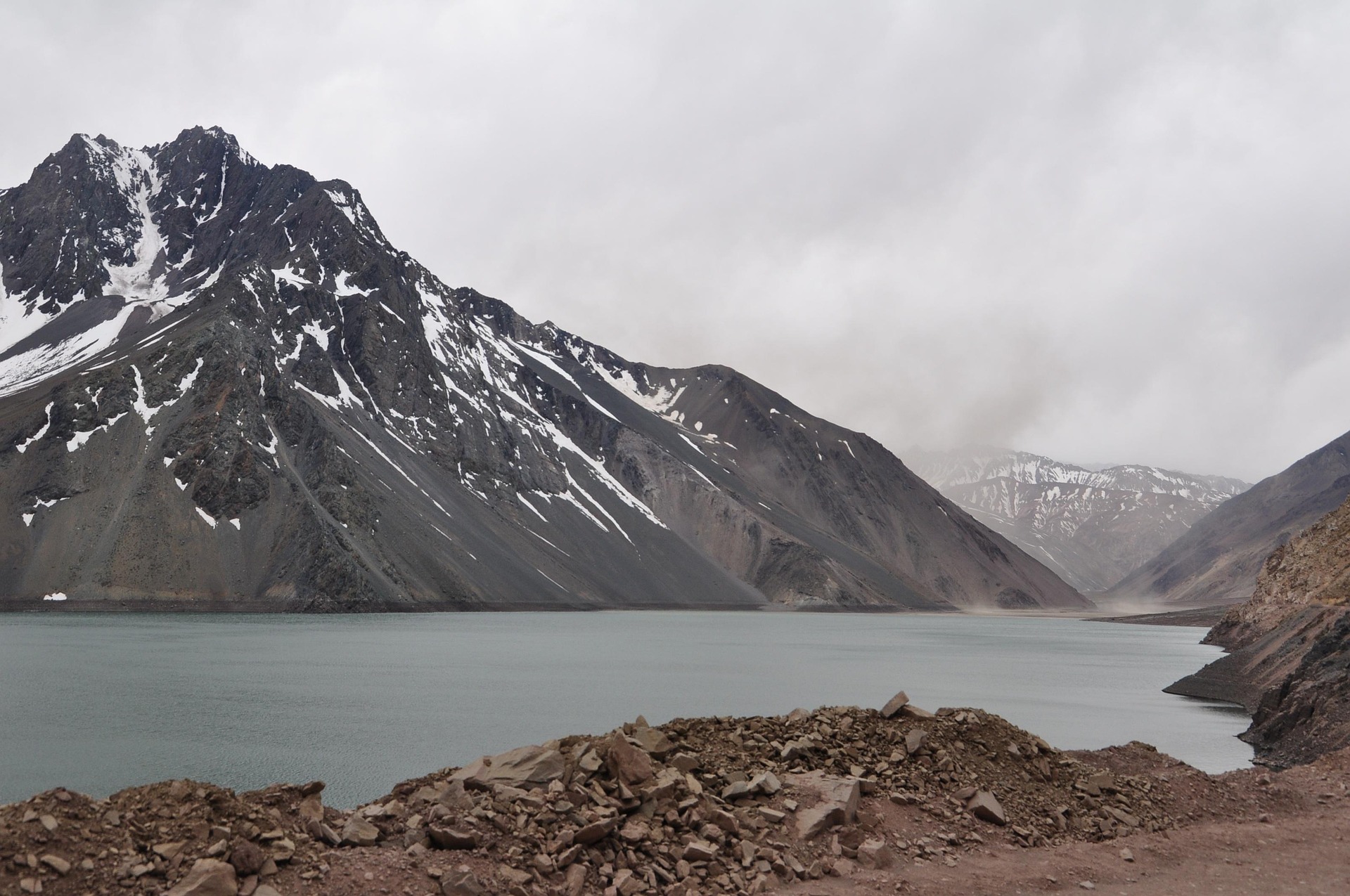
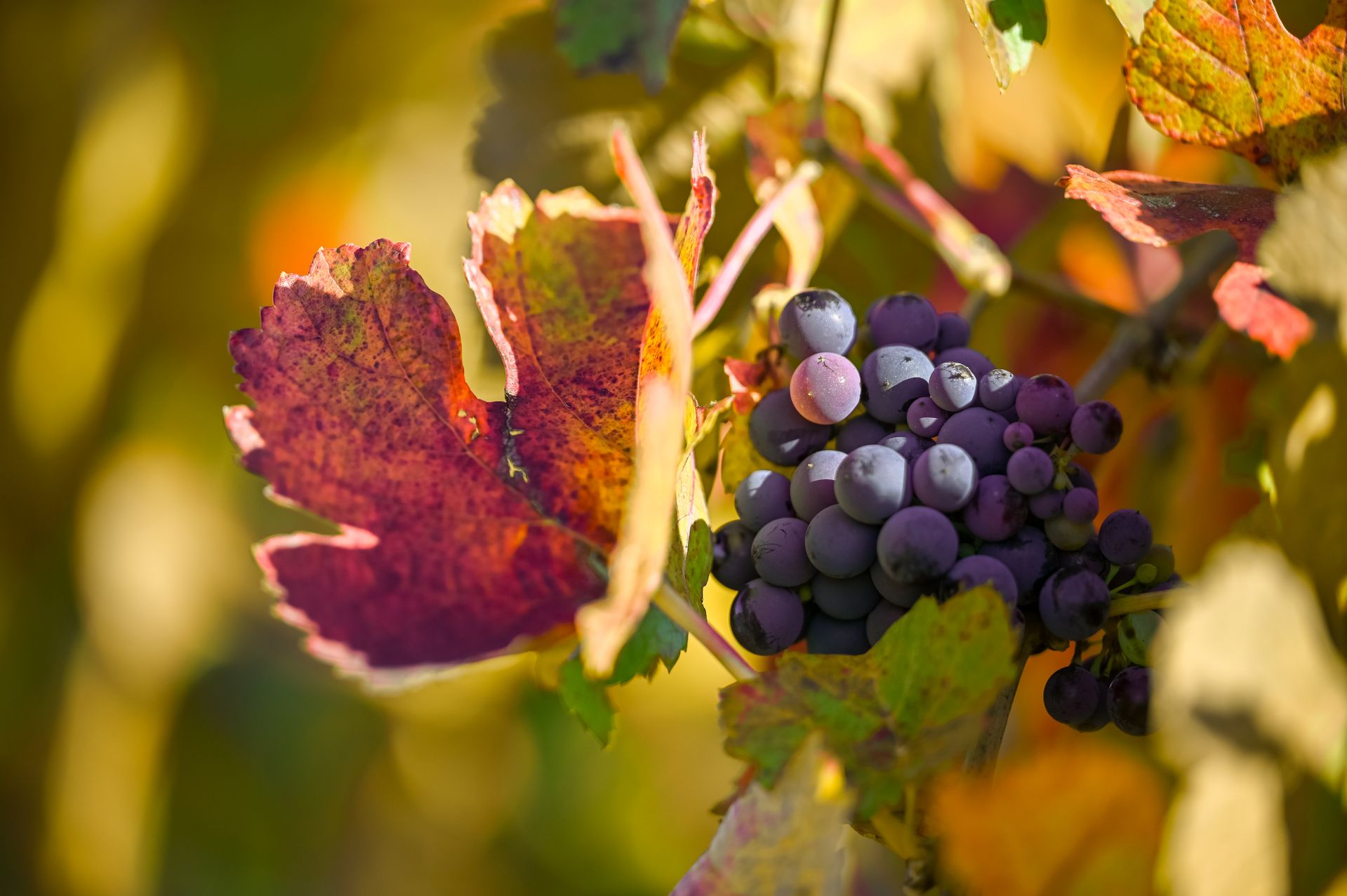
Photo by Carlos Eloy Escalona
For wine producing, Maipo Valley can be divided into three climate-distinct subregions:
Central Maipo Valley
This is where grapes were first planted in Maipo, and one of the first winegrowing regions in Chile. Alluvial soils abound, but pockets of gravelly soil also exist. The wines, because this is the warmest of the three subregions, are rich and fruity, with emphasis on freshness. These might be the wines that come to mind when you think of Maipo reds. Today, Cabernet Sauvignon vines still dominate Maipo wine region plantings, though Carménère has been gaining some ground in the last few years[viii]. Of course, other Bordeaux varietals[ix], including Merlot, also have their place. Wines from this region are unlikely to break the bank, and you probably want to drink them young.
What’s So Special About Alto Maipo?
Vineyards have been slowly creeping up the foothills of the Andes, reaching altitudes of 2,600 ft (or around 800 meters), though some wineries are exploring terroirs even higher than that, looking for different climates and soils. What they found was great for the world-class Cabernet Sauvignon wines produced there.
Due to higher elevation, the area is cooler than the lower lands. Also, mineral-rich snowmelt water from the Andes provides a great source for drip irrigation. Since the vines sit on the slopes of the cordillera, they get plenty of sunlight, but because they are at higher altitudes, nights are significantly colder, giving the region a desired diurnal temperature range. Lastly, soils are poor, rocky, and porous, meaning the vines must work hard to get their nutrients. In the past I’ve discussed why this is beneficial for the grapes.
All those factors contribute to elegant cabs with rich and complex black-fruit and oftentimes herbal aromas, firm tannins, and balanced natural acidity. Maipo Valley Cabernet Sauvignons are amongst the best in the world[x], and the awards they have received prove it.
But that’s old Maipo. What’s new?
Pacific Maipo, The New Kid in Town
This is the youngest subregion in Maipo Valley. Vines are on the slopes of the coastal cordillera, and they are influenced by ocean breezes[xi]. It’s a colder area, and winemakers are producing high-quality whites and fresher reds. Alluvial soil is also common in this subregion, but more clay is available than in the lower valley subregions.
I will be keeping an eye on Pacific Maipo. I foresee interesting wines coming from this region in the near future, though it’s still developing. For instance, I’ve already had some killer Syrah and Rhône blends produced in this corner of the Maipo wine region. I even know of one winemaker experimenting with Touriga Nacional here, because he found that the terroir was similar to what he’d seen while visiting the Douro Valley.
The Last Drop
My first ever Chilean wines were inexpensive Cabs from the Maipo wine region. I didn’t find these early wines transcendental. In fact, I don’t remember what I thought of them at all. But they were the red wines my family uncorked for celebratory dinners. During my late teens I was invited to taste them, and sometimes I was served a very small pour in my own glass.
Later, when I knew a little more about wines, I still found great value in inexpensive reds from Maipo Valley. Juicy, bold, accessible. That’s what they still are, a great example of how cool New World Cabernet Sauvignon can be, and at a price that won’t hurt your budget.
Some Alto Maipo wines are outside of my price range, but you can still[xii] find some gems below 100 dollars. Most, by the way, are less pricey than top-of-the-line Cabs from Napa. And then we have the more experimental Maipo on the slopes of the coastal mountain range. These wines might be hard to find outside of Chile (for now) but expect great things from here. I know I do.
Were you already familiar with the Maipo wine region? What do you think of it? Do you like this style of reds? Let me know down in the comments!
Photo by Polina Tankilevitch
[i] Chile is very thin, so all of it is “in the middle” when talking about east to west.
[ii] Both Don Melchor and Chadwick wines are made in and around Puente Alto. You can also go further north—still in the eastern side of the city—and find Aquitania winery in Peñalolén.
[iii] Neighborhood is not the right word. Technically Puente Alto is a commune (a small administrative sub-division) inside the Metropolitan Region. Region is our equivalent to “state” or “province”. In this case, it might be easier if you think of the Metropolitan Region like the District of Columbia. It has, however, 52 communes (or neighborhoods). Puente Alto is the furthest one to the southeast of the city. Santiago, by the way, is both the name of a commune inside of, and the general name given to, the Metropolitan Region.
[iv] 1818.
[v] Melchor de Concha y Toro and Domingo Fernandez established both Concha y Toro and Santa Rita wineries in the Maipo wine region respectively.
[vi] Which is still in effect, although less strict.
[vii] It’s the same in all of Chile’s wine regions, to be fair.
[viii] To be fair, Carménère was only resuscitated in 1994, a little over 30 years ago. That’s not a lot of time.
[ix] Cabernet Franc and Petit Verdot are both used in blends, but the former is gaining in popularity, and vineyards are bottling it as a single varietal.
[x] Just look at the success stories of Almaviva and Don Melchor, among others.
[xi] This area doesn’t reach the Pacific Ocean, but the coastal mountain range allows enough breeze and salinity to pass through.
[xii] As of the writing of this article, in October 2025. Who knows how prices will rise in the coming years.
Cover image: Vineyards in Maipo Valley. Photo by Dave Garcia.

Leave a Reply