
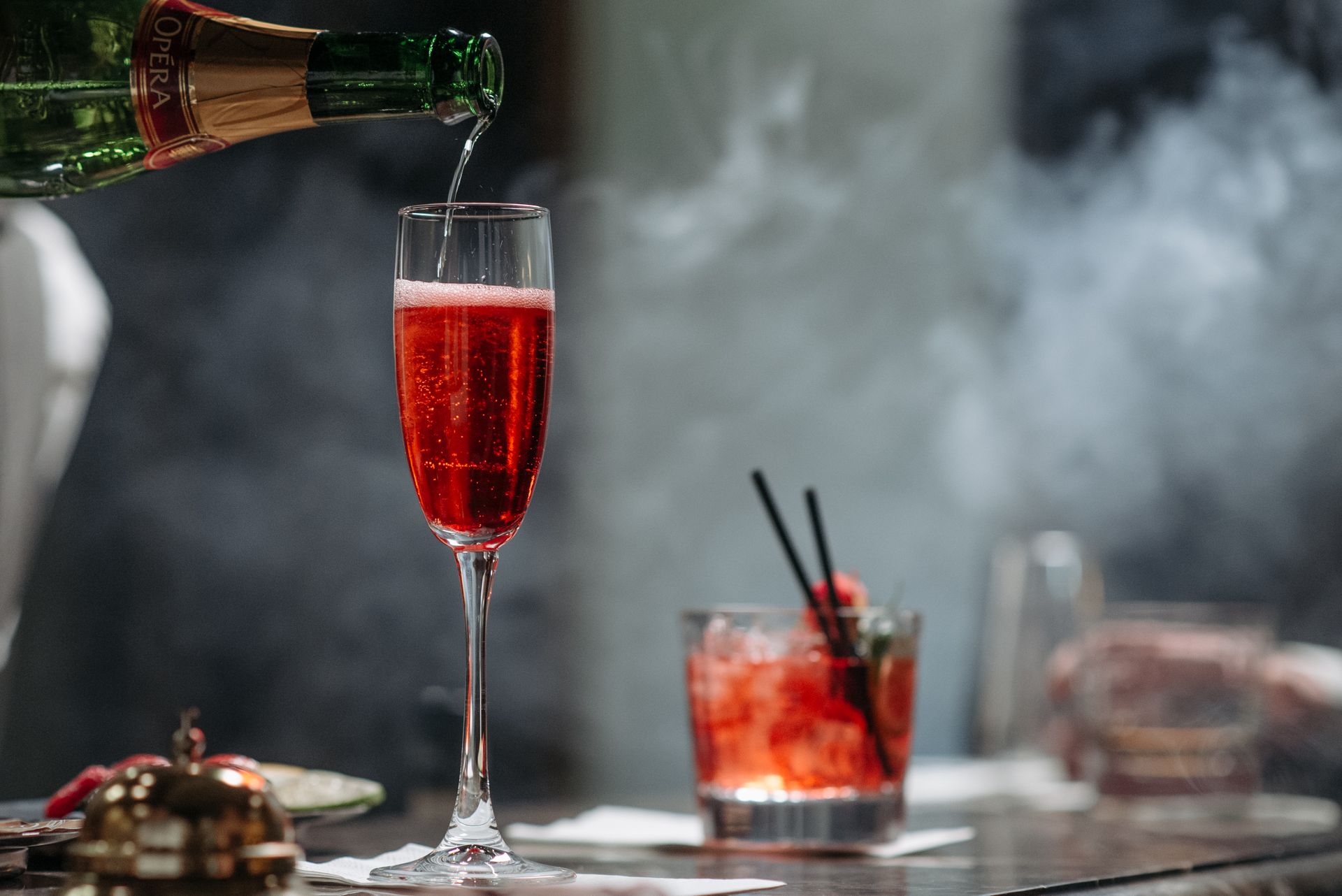
Think wine is only for sipping straight? Think again. Explore easy recipes, tips, and classic wine cocktails to elevate your leftover bottles today.
Today, something different; something not for the purists out there. We’re talking about using wine to craft something else entirely. Now, don’t get me wrong, I like my wine by itself, but I see the value of mixing it to use up any leftover wine, or simply because the end result is delicious.
But which wine should you use? And are there different cocktails for the different styles of wines? We’ll cover all of that. So, if you’re not offended by mixing your wine with other stuff, join me!
Can Any Wine Be Used to Make a Wine Cocktail?
The short answer is yes, but you probably don’t want to use wines that are very expensive or aged. Fresher, younger wines work best in cocktails, but since the rest of the ingredients might mask the wine’s flavors and aromas, wines uncorked a couple of days ago work great. However, don’t use wine that you wouldn’t drink. If it’s bad to begin with, save your money and don’t buy it. And if it went bad on you because you opened it too long ago, discard it.
That said, yes, you can use any wine you want to make a cocktail, but the style will depend on the recipe for that particular wine cocktail.
Let’s look at a few of them, based on the style.
Wine Cocktails Using Sparkling Wine
This is probably the most common category. Even those looking at us funny now for using wine in cocktails will likely agree that mimosas are ok. But That’s not the only cocktail using sparkling wines. Some are interesting, and others are just waiting for a revival.
Mimosa
Let’s start here. This one’s simple: orange juice and sparkling wine, typically in equal parts, are poured in a flute and served in your old-fashioned brunch buffet. But don’t make that a reason to disregard this wine cocktail. It’s refreshing and delicious. For best results, use freshly squeezed orange juice and brut champagne, keeping both chilled before serving. Oh, and pour the OJ first.
1 part orange juice : 1 part Champagne

Bellini
An original invention crafted in the first half of the 20th century at the famed Harry’s Bar in Venice, this wine cocktail mixes white peach purée and Prosecco. That’s the original recipe; of course, you can replace white peach with any peach, as long as it’s fresh. Like the mimosa, it works best if the ingredients are kept chilled, and if you add the purée first to the glass.
1 part fresh peach purée : 2 parts Prosecco
Kir Royale
The gateway cocktail to the world of aperitifs. This wine cocktail is French in origin, and mixes Champagne with crème de cassis, which is a blackcurrant liqueur. This drink has a version, the kir, made with white wine, but I will not mention it later because they both use the same ratio in their recipes. For this one you just add a barspoon of cassis in the flute and top it up with chilled sparkling wine.
1 part crème de cassis : 9 parts Champagne
French 75 (or the soixante quinze)
The current mix of ingredients for this wine cocktail comes from the 1920s, but similar drinks were served in the second half of the 19th century. The French 75 is more complex than the rest of the cocktails we’ve seen so far. Othe than Sparkling wine, it has gin, sugar, and lemon juice.
1 part lemon juice : 1 part simple syrup : 2 parts gin : 4 parts Champagne
There are other Sparkling wine cocktails around (like the Spritz), but the point isn’t to mention them all. Particularly when it comes to bubbly, you can use it to replace sparkling water—or split it half-and-half—in any cocktail.
Still Wine Cocktails
These cocktails mostly use red wine, but in some, like the Sangría, you can easily adapt the recipe for your favorite white wine. Now, I feel here’s where we might lose the purists, so let’s begin with the biggest offender.
Calimocho (or kalimotxo, using the Basque spelling)
We call this drink jote in Chile, and I’m sure it has other names in different countries. It mixes equal parts red wine and cola. Trust me, I know. Mixing the two ingredients was popular in the Basque Country as early as the 1920s, but this wine cocktail only became popular in the 1950s, when Coca Cola opened its first factory in Spain. You serve it in a tumbler, and with plenty of ice.
1 part dry red wine : 1 part cola
Tinto de Verano
Similar to the Calimocho, this cocktail comes from Spain and mixes red wine and a carbonated drink—this time a lemon soda—which you can replace with lemon juice and carbonated water, but you will not get the same effect. This wine cocktail is refreshing and ideal for sipping during hot summer afternoons. The original recipe doesn’t call for it, but I suggest adding lemon slices to the tumbler. Serve with ice, of course.
1 part dry red wine : 1 part lemon soda
Sangría
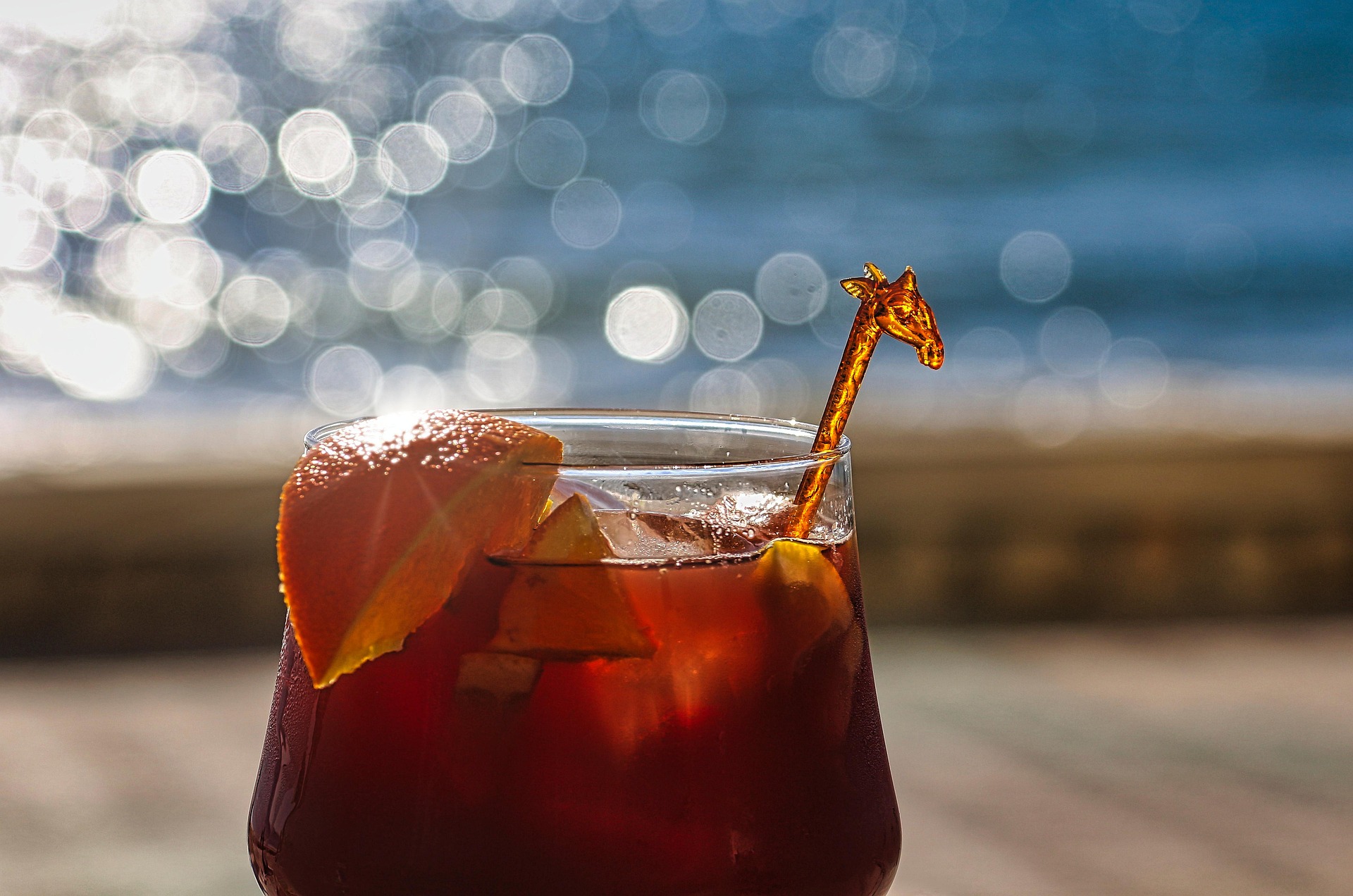
I can’t really provide a recipe for this wine cocktail, or at least there’s not a specific one. Just mix a bottle of wine with a couple of tablespoons of sugar and lots of seasonal fruit. Some will add brandy to the recipe, or clear soda. You can use either red or white wine to make it, but the traditional one is made with red. And I mentioned using any seasonal fruit, but there are some that might not work well in a sangría—tropical fruits come to mind, like papaya or mango, but I haven’t tried them.
Glühwein (Also known as Glögg or Mulled Wine)
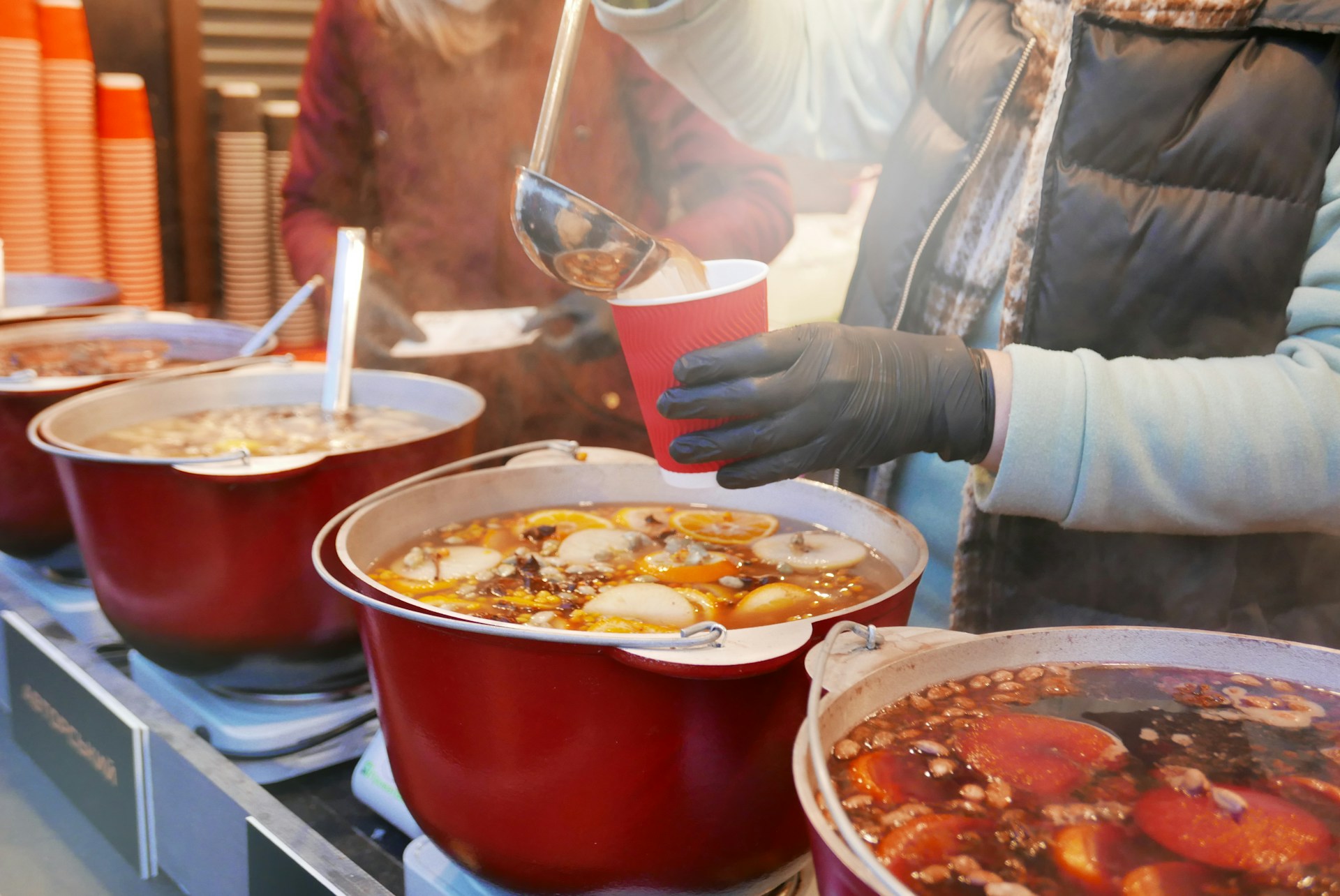
This is the infused wine cocktail; the one that smells like Christmas, maybe because it’s not often prepared outside of that holiday. Well, except for in Chile, where we make it for rainy days in winter, which, for us, is from June to September. Here, by the way, we call it navegado. Like with sangría, I can’t really give you a recipe. Just pour a bottle of wine to a pot, add some fruit, sugar, baking spices—you know, cinnamon, clove, allspice, nutmeg—and bring to a simmer. That’s it, you infuse the aromatics with the wine, and you have your cocktail ready.
There are other more elaborate cocktails that use wine, but they are too many to mention. Additionally, there are some that use very little wine, like the New York sour, which is a whisky sour with a tablespoon of red wine added on top as a float.
Other Styles of Wine Are Also Used to Make Cocktails
I haven’t mentioned Vermouth here, which is a fortified and aromatized wine. Vermouth is used in plenty of cocktails, including the negroni and the martini. Even though Vermouth is technically a wine, I decided not to include it because of the fortification process it undergoes.
This brings me to fortified wines, which I also haven’t included here. There are a few fortified wine cocktails, particularly with Port. I especially remember Port and Tonic—Porto Tônico—being very popular when I visited Portugal during summer a couple of years ago. If you’re curious, fill a tumbler with ice, and add one part port wine to 3 parts tonic water. Enjoy after stirring gently.
And speaking of fortified wines, I’ve also left Sherry wines aside. These fortified wines from Spain come in many styles and they require more room to talk about. There are several cocktails that use this wine, but since the styles are very different, they need to clearly specify whether you need to use a Fino, a PX, or an Amontillado to make them. For Instance, you’ll need Palo Cortado style Sherry, plus sugar, half of a lemon, and an orange wheel, to make a Sherry Cobbler.
The Last Drop
I know at least one section in this article might’ve been difficult for some of you to get through, but I don’t think we should dismiss wine cocktails. I won’t drink Calimocho, but enough people like it. Besides, I do like Tinto de Verano, so I’m clearly not against mixing wine with soda.
Furthermore, some cocktails are classics for a reason, and they’ve been popular for a long time. Even in most newer wine cocktails, you can tell that a professional bartender cared enough to balance flavors and textures into something that the bar’s patrons would find appealing.
But what about you? Do you like some wine cocktails, or are you a purist?
Cover Image: A couple of wine cocktails. Photo by Pavel Danilyuk.


Leave a Reply