
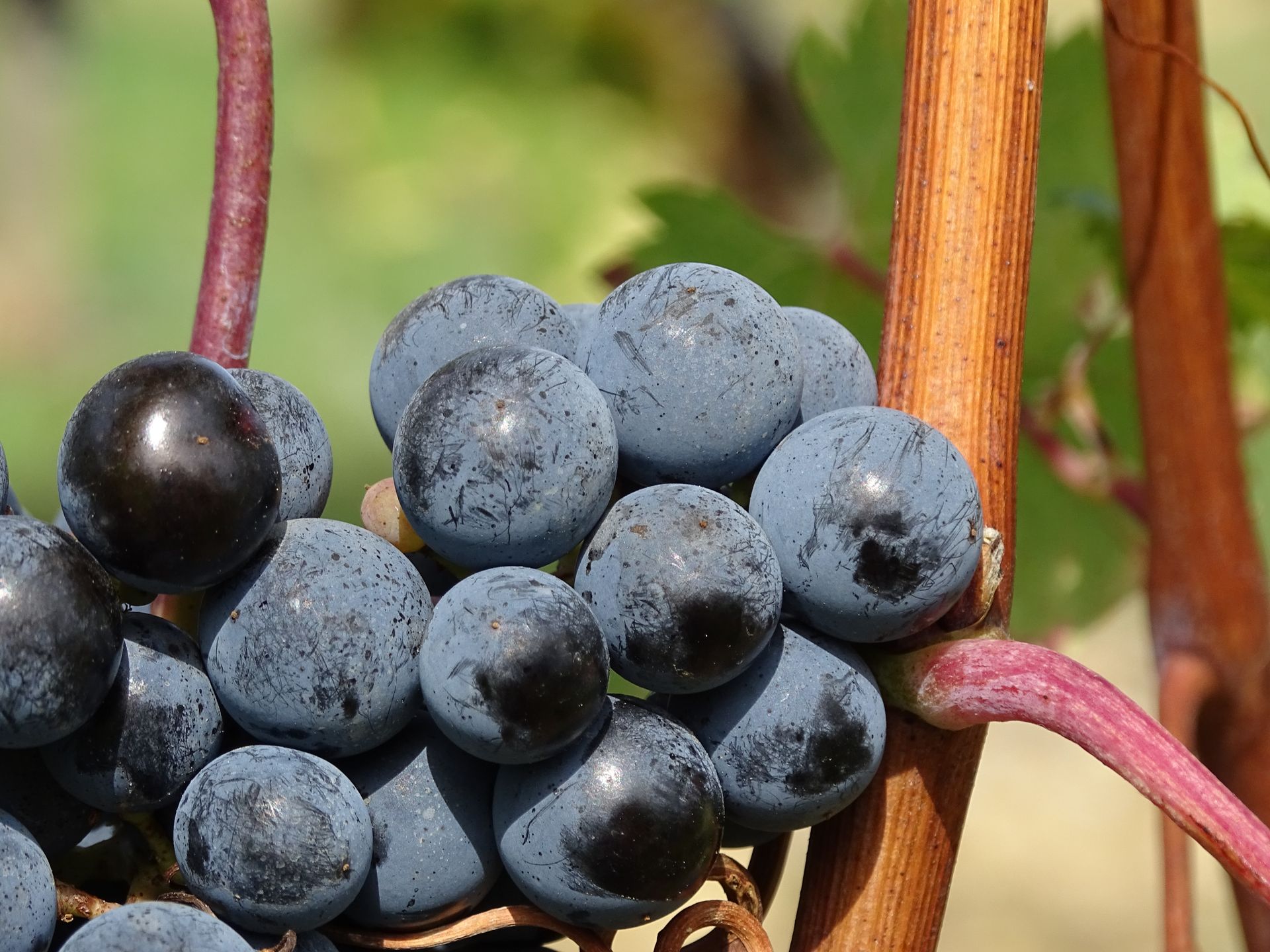
Step into the Itata wine region, where century-old vines, low-intervention winemaking, and fresh reds are breathing new life into Chilean wine.
I like to think that winemakers discovered in Itata an interesting cold-climate region to plant their vines and make exciting and different wines. However, that would be unfair to the Itata wine region. It was established by Spanish settlers and at one point most of the wine produced in Chile came from here. During the 20th century, however, interest—and investment—shifted to the Central Valley and Itata saw a decline.
It’s in the past decade or so that the Itata wine region has seen a resurgence, as interest has grown in wines from cooler regions, older vines, and lesser-known varieties. Itata has all of that: old-vine País is a leftover from the Spanish colonies in the 1500s, and newcomer Cinsault grows wonderfully in this valley.
Itata wines have slowly regained their place on our tables, and I couldn’t be happier about it. Let’s dive in!
The Cradle of Chilean Viticulture
A few regions claim to be the first to plant vines in Chile and most of them have valid arguments. Itata perhaps has the strongest one, as vines did arrive at ports near Itata after Pedro de Valdivia asked the King of Spain to send vines and wines to Chile for evangelization purposes.
Now, we don’t know for sure that any of those arriving vines were planted immediately in the Itata wine region. We do know, though, that they were planted there soon after, and that by the 1700s, Itata was a highly regarded wine region by the Spanish Empire.
The popular grapes planted, or at least the ones that are still going strong, were Listán Prieto (which today we call País) and Moscatel de Alejandría (which you probably know as Muscat). Itata was an important wine region in Chile. At least for a while.
The Rise and Decline of the Itata Wine Region
Itata was an important wine producing region during the colonial era, but the Spanish crown was never totally committed to the wine industry from the Americas. They didn’t invest in it, and at times even tried to forbid wine production here.
So, yes, the Itata wine region was important and well known, but it was never supported. It flourished mostly because of the hard work of Itata’s early winemakers. Soon after Chile gained its independence, an estimated 80% of the wine consumed in Chile came from the Itata wine region. It was mostly traditional pipeño wine, which is a rustic wine production traditionally aged in barrels made with raulí wood (the raulí tree grows in the south of Chile and Argentina).
Chile’s newly formed republic turned to France for help in revitalizing its wine industry, and they sent vines and experts as a response. Itata, clinging to their tradition and old vines, was left behind. By the 20th century, winemakers concentrated mainly in the Central Valley, all but ignoring the Itata wine region, relegated to producing low-quality bulk wine.
The Resurrection of Itata
It was a good thing that Itata kept the vines and the tradition going. Winemakers eventually rediscovered the region as global interest in bold reds faded. The global market has turned to wine produced in colder wine regions, looking for lighter wines with more acidity. They’re also interested in heritage grapes and small-scale wine production.
They can find all of that in the Itata wine region.
Wineries in the Central Valley have grown to large estates, often churning out good but safe wines. Not so in Itata. There, a lot of wine is still produced by small-scale local growers. They dry-farm, relying on rainfall instead of irrigation. This stresses the vines, which must dig deep into the soils to find nutrients, but also yield better-tasting berries.
Oh, and of course they don’t grow your run-of-the-mill Cabernet Sauvignon or Carménère. Winemakers in the Itata wine region go against the grain.
Wines Produced in the Itata Wine Region
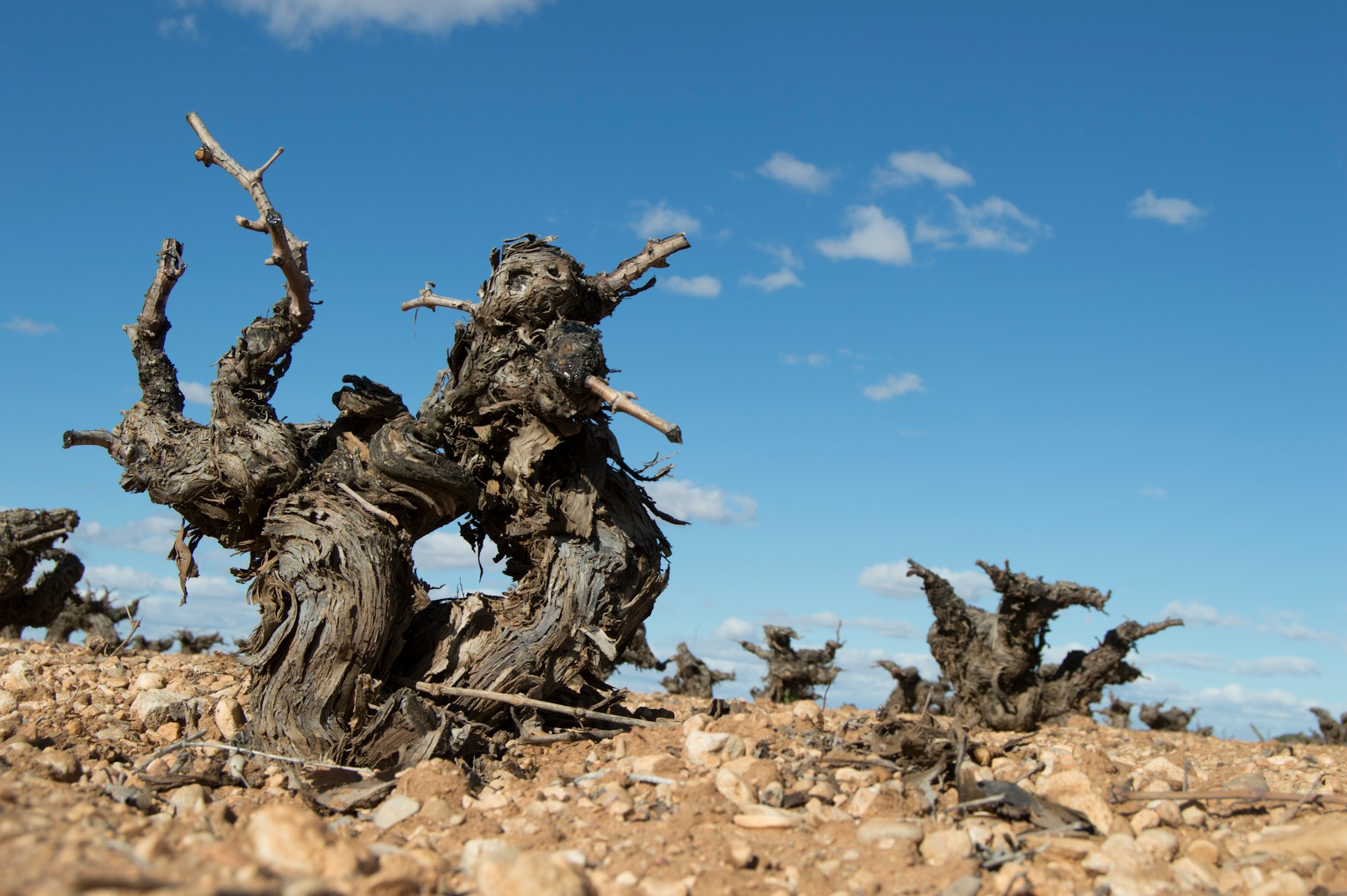
Itata kept at it with their old vines. Some of the País produced in this region comes from four-hundred-year-old plants! I wasn’t impressed by the first couple of País wines I tasted, but that was before I discovered the ones from the Itata wine region.
However, I think the best red coming out of Itata is Cinsault, which only arrived in Chile in 1939. These wines are fresh and fragrant and full of red fruit character. I think we will see more movement to lighter, fresher reds over the next few years, and Cinsault can lead the way. As can Garnacha, which is also planted in the Itata wine region.
Now, if you’re looking for something with more body that grows well in colder temperatures, Itata also produces interesting Merlot and Cab Franc, as well as Pinot Noir and Carignan, which—like País—comes from old vines.
What about white wines? Well, in Itata you will find expressive Muscat, interesting Chardonnay, and delicious Sémillon. Itata is not lacking in variety and experimentation.

Visiting the Itata Wine Region… Where Is It?
What the Itata wine region is missing, however, is infrastructure to welcome tourism. It’s not absent, though; it’s just not as developed as Colchagua or Casablanca.
Like most wine regions in Chile, Itata’s limits to the east and west are the natural barriers of the Andes Mountains and the Pacific Ocean respectively. Both, one because of its cool ocean breezes and the other because of altitude, provide great areas for cool-climate wines to be produced.
The northern boundary of Itata is the Maule wine region, and both are roughly separated by the Ñuble River. The southern border is also another wine region, this time Bío Bío, but there is no specific geographical feature to mark it.
It’s close to the city of Concepción, which can serve as a base for all visits. Wineries are small and might not be ready to welcome tourists. They have no room for them. On the other hand, winemakers are friendly and will be happy to receive you if you ask politely. I’ve seen recent efforts to improve tourism in the area, but as of the time of me writing this article (May 2026) we seem to be far away from that. Hopefully this will change soon.
The Last Drop
I think the revival of the Itata wine region is exactly what the Chilean wine industry needed. Larger operations have been producing good wine for a long time; good, consistent wine. But that’s the thing, wine that was maybe a little vanilla. Itata came along doing something different and exciting.
Wines from Itata are hard to find, though. Because producers are small, it’s difficult for restaurants and stores to stock them, so for many the only ways to get them are to source them directly or hunt them down in specialized stores. I can only imagine that they are even harder to find outside of Chile, even though plenty of Chilean winemakers only produce wine for export.
I enjoy wines from the Itata wine region. They keep surprising me with their rustic excellence and dedication to heritage grapes and low-intervention winemaking. If I see wines from Itata on a wine list—particularly Cinsault—I’m likely to get it. I only wish wines from this region were easier to find and that Itata itself was more accessible to visit.
Cover Image: Grapes ready to be harvested. Photo by Henri Guerin.


Leave a Reply