
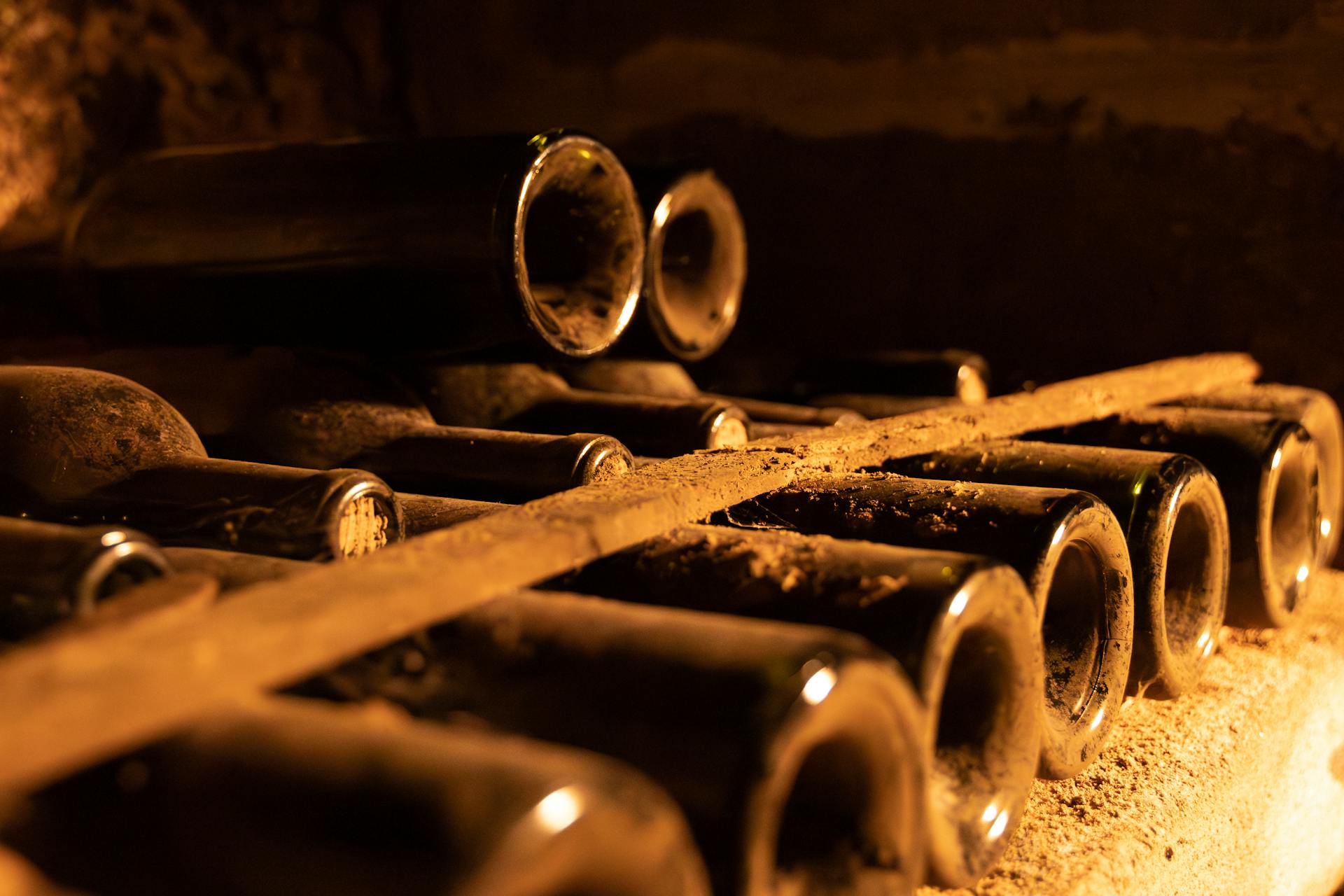
Stop pouring money down the drain. Learn how to identify and defeat the 8 enemies of wine, from oxygen and light to the common mistakes of home storage.
About a year ago I wrote an article about how to store wine properly. In it, I mention 6 enemies of wine, as related to storage. Today I want to both go deeper into the topic and expand my list.
Though some of them are more damaging to wine than others, I’m writing them down here in no particular order. I just jotted them down on a piece of paper and will reproduce them here in the same order I first though of them. Still, I thought it’d be appropriate to begin with the one that’s inevitable:
Time Will Eventually Ruin Your Wine
My inspiration for this article was a post I recently saw on socials in which someone was showing a 1905 bottle of wine. That’s not a typo; the bottle was over 120 years old. My mind immediately wondered if it was still drinkable. I never found out in the post, they were just showing the bottle, not uncorking it.
My guess is it was no longer good. I mean, you never know, but I would bet against it. See, time is wine’s enemy because it’s unavoidable.
Age worthy wines benefit with time, but only for a while. Tannins and acidity will gradually mellow, and aromas shift from bright fruit to earthier tones. Age worthy wines improve with time. Until they don’t. Eventually aromas will diminish and will be muted. As flavors diminish, acidity becomes dominant, and wine will smell vinegary. Tannins will disappear, leaving behind a thin wine lacking structure. Wine’s enemy number one will eventually ruin it.
I made a point to mention twice in the last paragraph that this applies to age worthy wines, and not all of them are. Far from it. In fact, 90% of all wine is made to be consumed within a couple of years of production. This enemy of wine will deteriorate those wines faster.
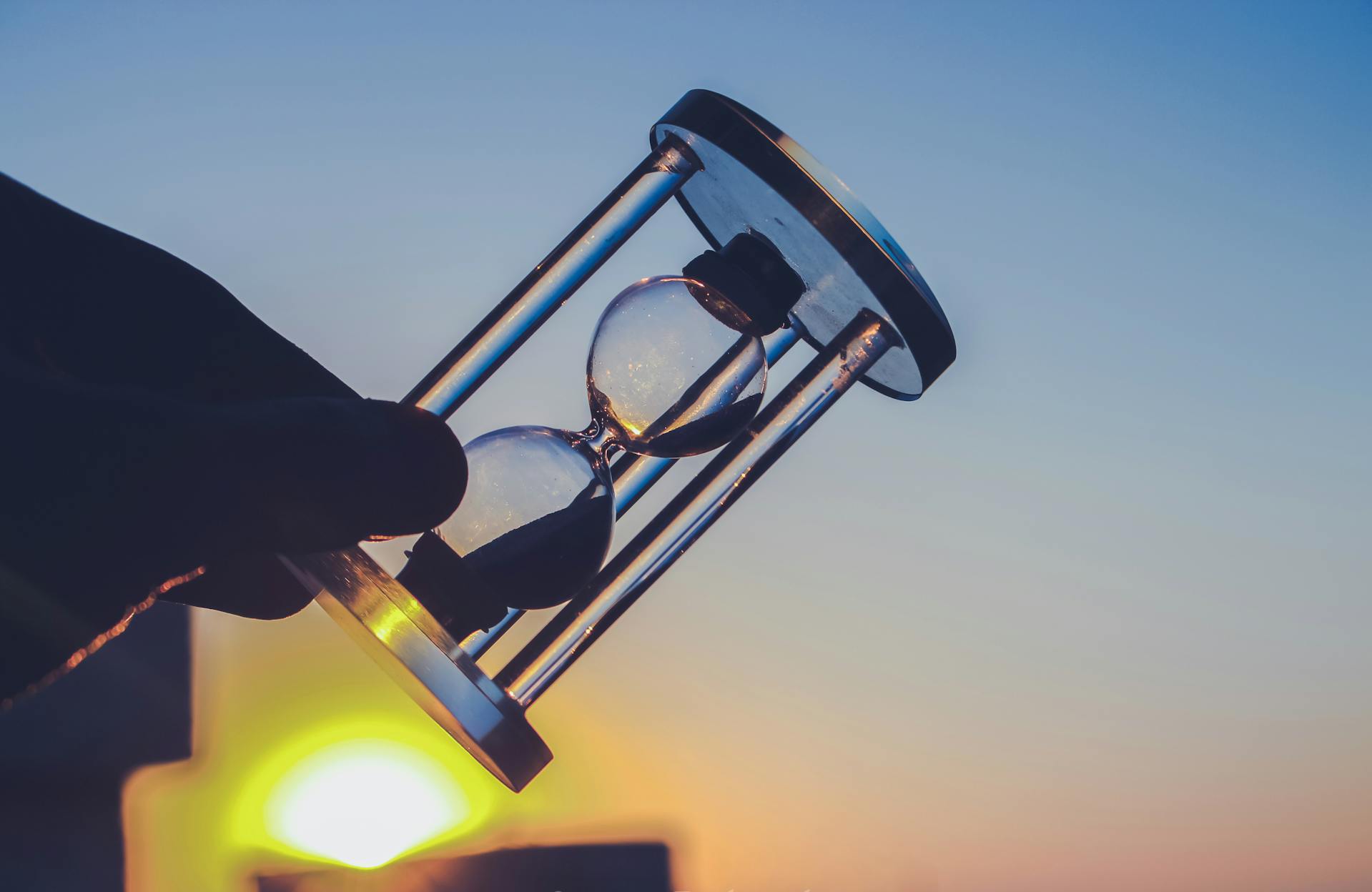
Photo by Samer Dabul
The Duality of Oxygen
Wine improves with a little oxygen. Even those not meant for long-term storage can benefit. Tannins soften and aromas are enhanced by introducing a bit of air. You do so when you decant your bottle or swirl your glass.
Too much oxygen, however, is one of the most common enemies of wine. I’ve previously written about how to preserve wine once you open it, and what to do with wine leftovers, if you’re interested. You need precautions because once you uncork your bottle, air creeps inside, starting the deterioration process.
You’ll notice oxidation immediately, since the wine’s color will change. White wine to an amber-brown hue and reds to a brick color. Oxygen is wine’s enemy because it will make it will feel flat; aromas and flavors diminish rapidly, turning to bruised fruit and even vinegar, making your pour to taste sour.
Heat is Wine’s Enemy Number One
I come from a culture that adopted the French custom where wine—chiefly red wine—is placed in a warm place to “bring it to room temperature”. In Chile we call this technique chambrear el vino, from the French chambre, which might sound familiar as it’s the origin of the word chamber.
Of course, in France, that meant bringing the wine from the cellars to the houses of the nobility in times before central heating. Thus, we’re talking houses with room temperatures between 16°C and 18°C (roughly 60°F to 64°F). In Chile, unfortunately, what we were doing instead is placing the bottles in a hot area to warm them up. And I mean on the fireplace’s shelf.
We were probably drinking damaged wine.
This has changed as we’ve come understand more about how this enemy of wine affects it. In the industry we say that the wine cooked when it has been exposed to high temperatures for prolonged time (as soon as a few hours). Wines will smell of stewed fruit and taste flat.
And Speaking of Heat: Temperature Swings
Wine doesn’t do well when it undergoes temperature changes. It’s not necessarily that the fluctuation is directly bad for the wine, but it’s bad for the closure. Heat causes the wine to expand, and the air trapped inside can slightly push the cork, leading to more air to creep in, oxidizing it. Something similar can happen as the wine contracts when exposed to cold temperatures.
Now, this is only an issue when the swings are radical, both in temperature range and frequency between those. In other words, a bigger problem if you keep your wines in the snow and quickly bring them inside your home, which you keep at a placid 30°C (around 85°F) or the opposite temperature fluctuation.

Photo by David McElwee
Beware of Light, One of Wine’s Enemies
White and sparkling wines are more susceptible to light damage, which is why we sometimes find them in darker bottles. UV light can break down wine compounds and produce unpleasant aromas and flavors, like sulfur, cardboard, or something similar to stale beer. Additionally, light facilitates oxidation, so extended contact can cause the same issues we saw with the second enemy of wine that we covered in this article, air.
My advice is to store your bottles away from direct sunlight—or any UV light source, really—for too long. I mean, it’s ok to keep your bottles in the open for a couple of days, just don’t extend that to a couple of weeks. Light damages the wine, true, but it’s not fast., which is why you can pour it in translucent glasses even when drinking outdoors.
The Goldilocks Range of Humidity
Yes, humidity can be an enemy of wine, but only if extreme. And I mean at both ends of the hygrometer. Now, the sweet spot is within a wide range, so you only need to be concerned if you live somewhere that is either very dry or very humid.
Your wine will be fine anywhere as long as humidity is between 50% and 70%. A place like Miami, for instance, is too humid for wine storage. Averages are between 73% and 82%. The risk is mold. It’s not too bad outside the bottle; it can just be cleaned away. The problem, however, is that the mold can get inside the bottle, in which case you should probably pour the wine down the drain. Fungi and microbes can form in your wine when compromised, and they can cause stomach unpleasantness better left undescribed.
On the other hand, you have a place like Phoenix, with an average humidity of under 40% that can go as low as 10% during its driest summer days. Once again, the telling sign is the cork. Dry corks will shrink and eventually crumble. As you can imagine, air will creep into the bottle easier with a damaged stopper, accelerating oxidation. Furthermore, wine will slowly evaporate over time, and this will happen faster with a compromised cork. Less liquid means more oxygen inside the bottle. Again, we go back to our second enemy of wine.
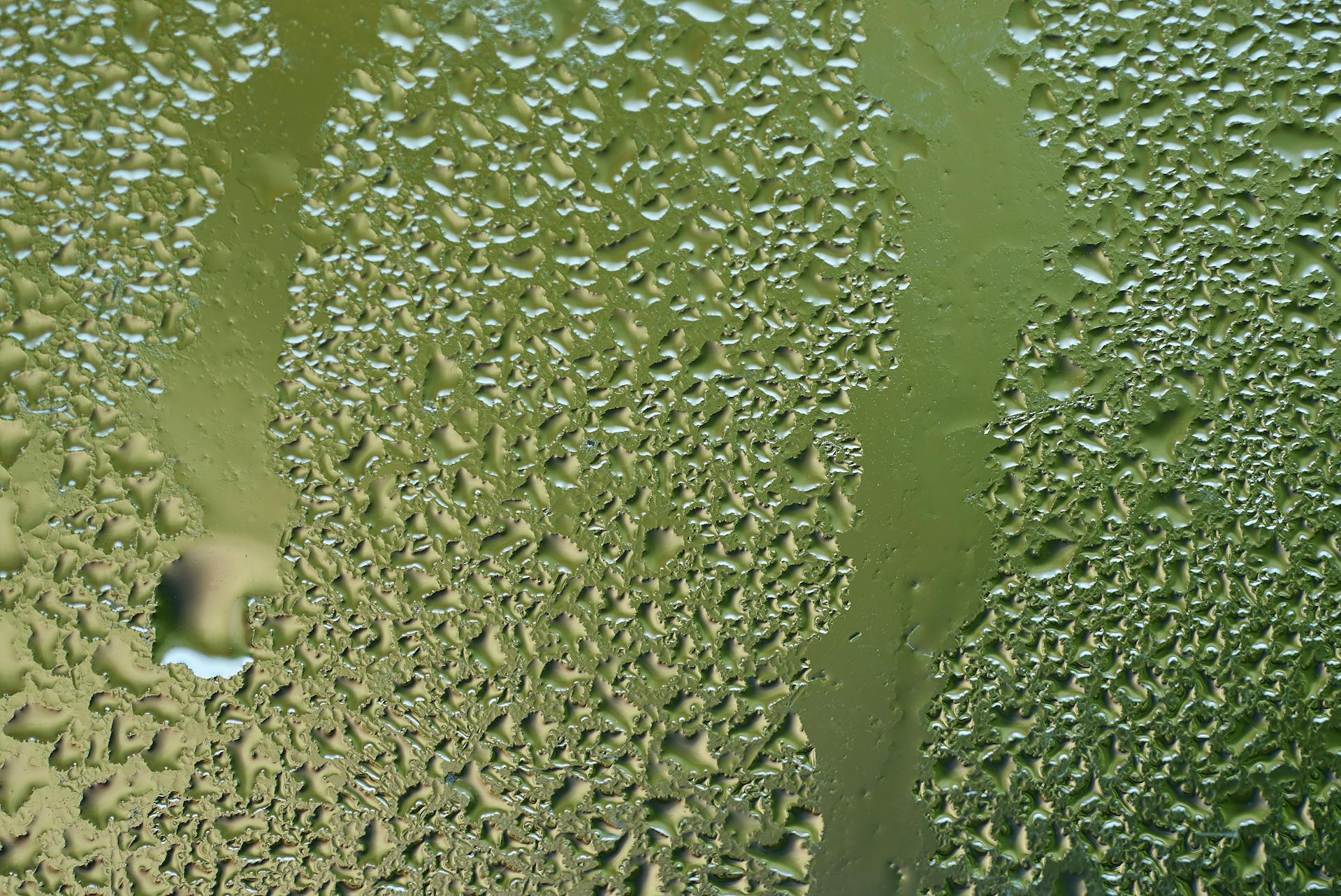
Photo by José Gabriel Contreras
Vibration Is Also One of Wine’s Enemies
Once uncorked, you can keep your wine in your refrigerator. After all, you’ll be using it within the next week or so. However, I don’t recommend using it for long term wine storage; the vibrations it causes can be harmful.
They hasten chemical reactions, causing premature aging, resulting in muted, unbalanced wines. Constant vibrations break down tartaric and succinic acids, which is why vibration from appliances is one the enemies of wine. I only mention the refrigerator because it’s unlikely that you store your wine directly on top of the washing machine, but you should avoid keeping your wine on top of any vibrating device.
Avoid This Enemy of Wine: Position Your Bottles Accordingly
Can you store your wine bottles vertically? Well, the answer depends on the type of closure they use. For natural cork? Absolutely not. Well, not long-term storage at least. You need wine—the liquid—touching the cork to moisten it. Remember, a dry cork is bad for storage. Wines with natural cork closures must be stored horizontally.
It’s not that critical for wines with screwcaps. In fact, it’s probably better to store them vertically in case the cap is faulty and wine seeps out. As you’ve seen, a lot of wine’s enemies are related to natural cork closures; you lose romance and tradition without them, but screwcaps are friendlier to wine.
The Last Drop
There are many enemies of wine. Fortunately, they’re not hard to battle. I hope this guide helps you when considering how to better store your wine, but also what to look for when purchasing it, particularly older bottles.
Wine is alive inside the bottle. Wine’s enemies will harm it and make it last less than it normally would. In storing wine, we want to make its life comfortable.
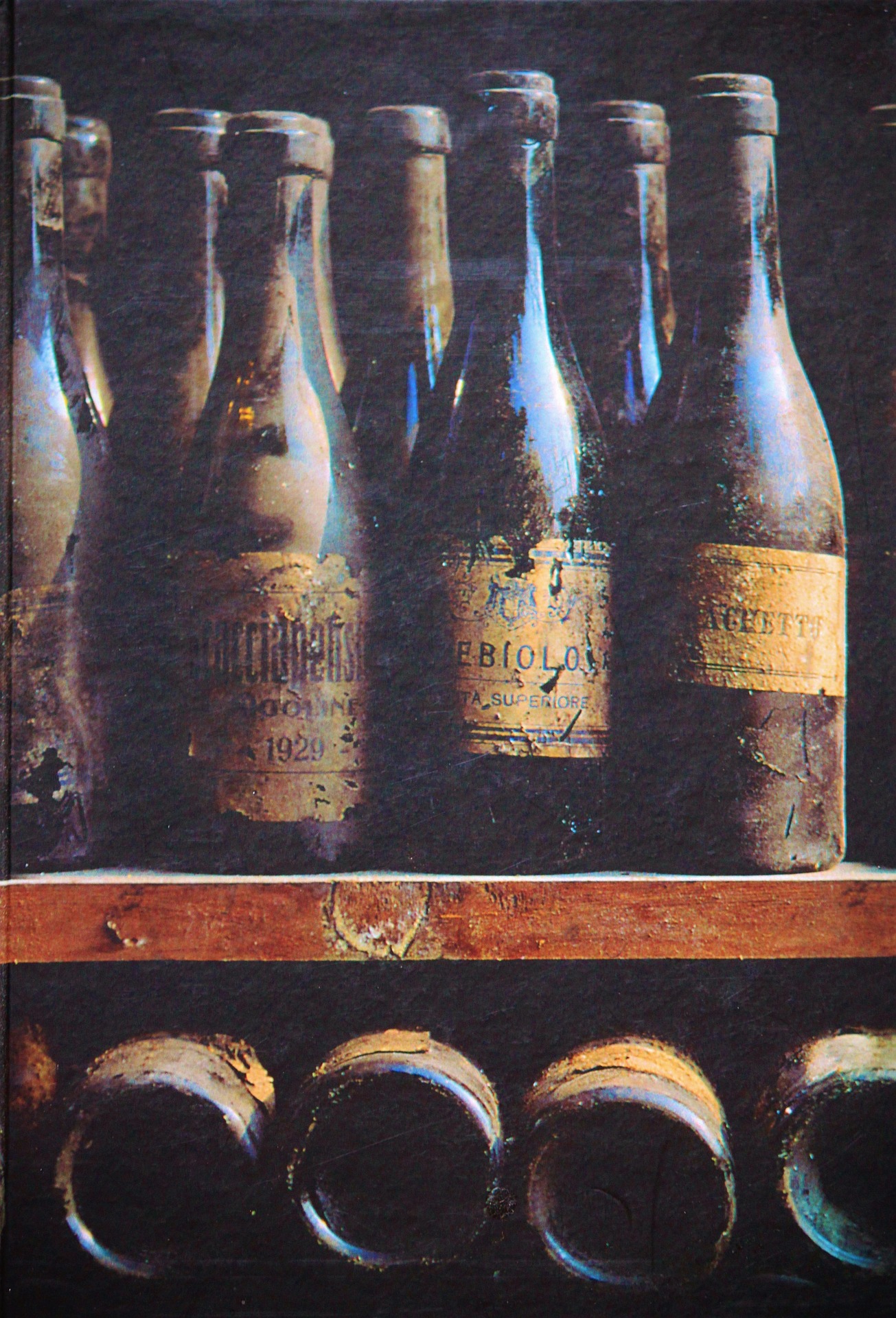
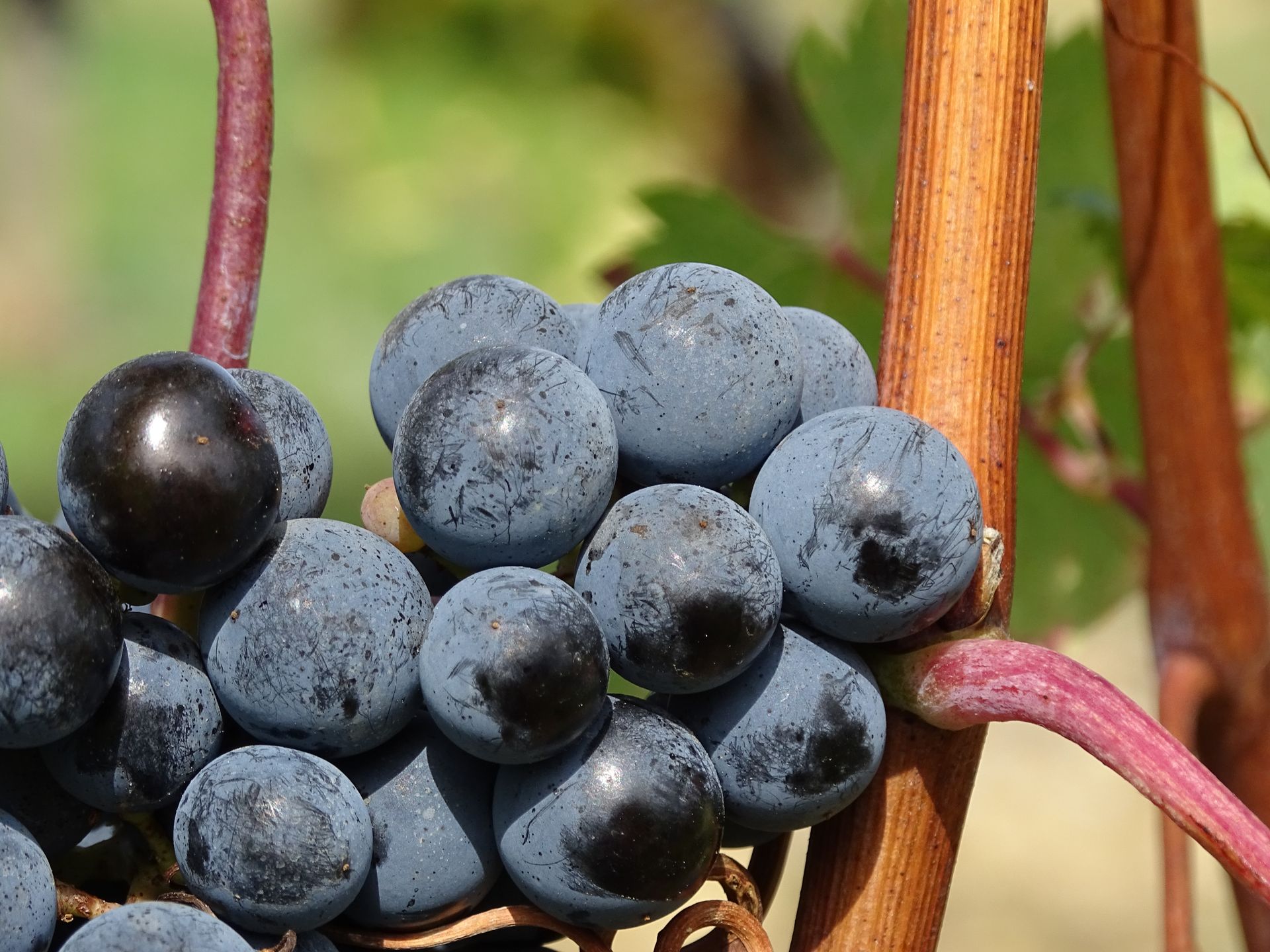
Photo by cocoparisienne
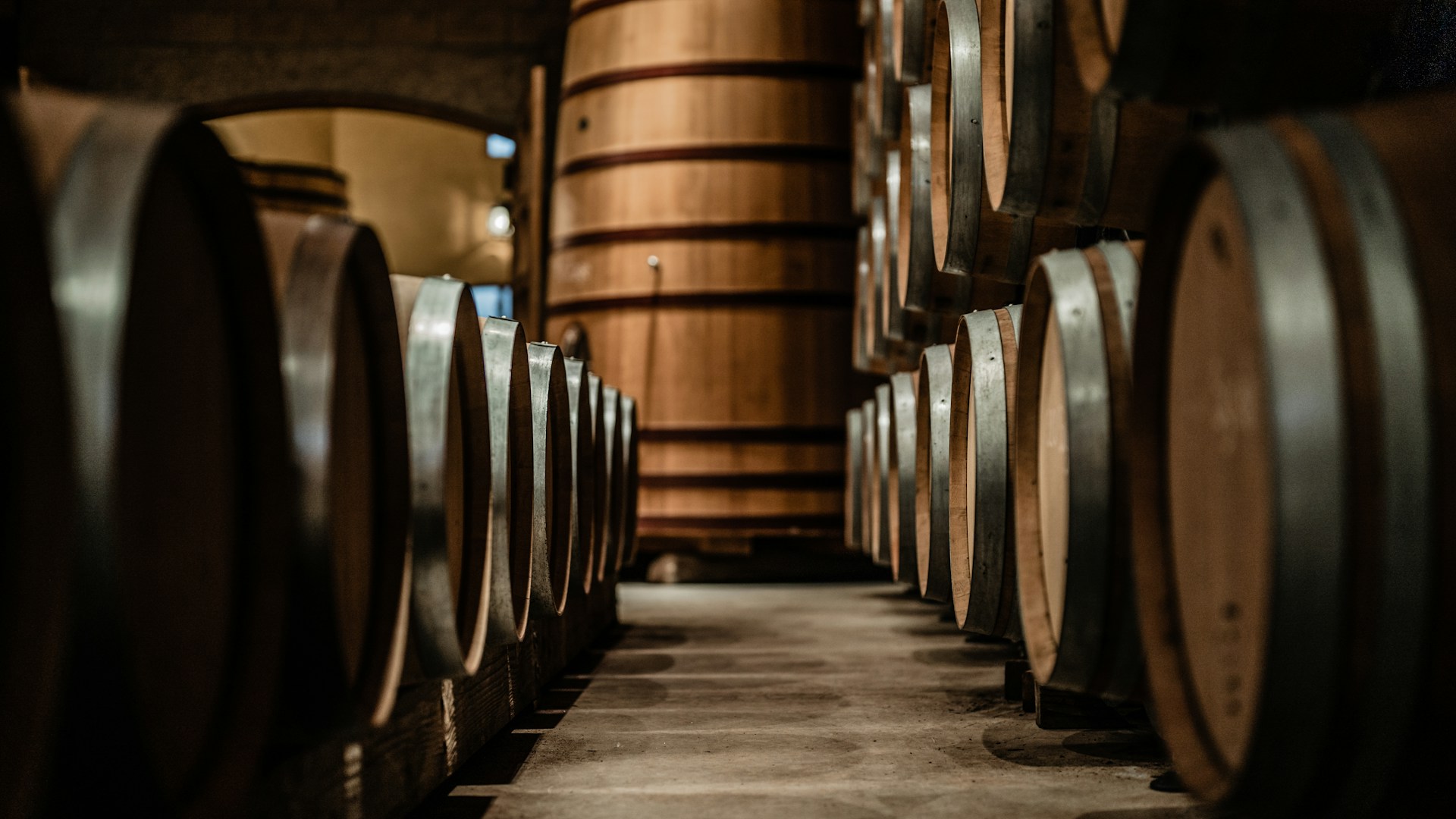
Cover Image: Avoid the enemies of wine to properly store your wine. Photo by Oliver Rivas.

Leave a Reply