
A deep dive into Sémillon’s journey from Bordeaux to Chile’s old vines. Discover your new favorite food-friendly white wine.
It’s funny to think that in Chile, a powerhouse in the wine-producing world, restaurants offer so little variety in their wine lists. Typically, they’re decent in their red wine offerings, but that’s almost never the case with whites, with most restaurants proposing a selection of either Chardonnay or Sauvignon Blanc. Both are fine, of course. More than fine, in fact. I’ve already written my praises on Chilean Sauvignon Blanc. And since they come from wildly different wine regions, there’s at least enough diversity of style within them.
However, I would like for more wines—red, but particularly white—to make a splash in Chilean restaurants. Riesling is slowly showing up, and that makes me happy, but I wish Sémillon were more widespread.
Today I want to talk about this white wine varietal, what makes it special, and why I like it so much.
The Origin of Sémillon Is as Expected
If you know anything about Old World Sémillon, then you know it’s popular in Bordeaux, where it’s often blended with Sauvignon Blanc to either make dry whites or to make the fantastic botrytized[1] sweet wines of Sauternes and Barsac[2].
Well, it turns out that it originates from Bordeaux. Its name might even be a hint; Sémillon might be a simplification of and old name for the town of Saint-Émilion. The white grape was popular in that area before winemakers concentrated their crops to produce red wines[3].
Still, some of the finest dry whites from Bordeaux rely on Semillon to do a lot of the heavy lifting. This grape is also planted in Provence where it adds body and complexity to their white blends. France’s hidden gem wine region, Sud-Ouest, also uses it extensively in their excellent dry and sweet wines[4].
But that’s France. What’s happening elsewhere?
Sémillon Steps into the Spotlight in the New World
As with many Bordeaux grapes, Sémillon was imported into several New World wine regions during the 19th century.
It found a good home in Australia. It’s fair to say, in fact, that Sémillon makes wonderful wines in the Hunter Valley wine region. They are different from their French counterparts, though. They are more acidic when young, and, when aged, which they do beautifully, they develop aromas of honey and hazelnuts.
It’s a niche variety in the U.S., but vintners in Washington’s Columbia Valley are producing excellent age-worthy Sémillon. Napa also grows it, but they tend to go the Bordeaux route and blend it with Sauvignon Blanc.
South Africa is interesting because Sémillon crops once covered 90% of their vineyards. By the 1980s, however, Sémillon represented only around 1% of all vines planted. They were using them to produce cheap low-quality wines, so winemakers started to replace them, seeking better quality. The varietal is finding new ground, though. Producers have figured out where it grows best and quality has improved.
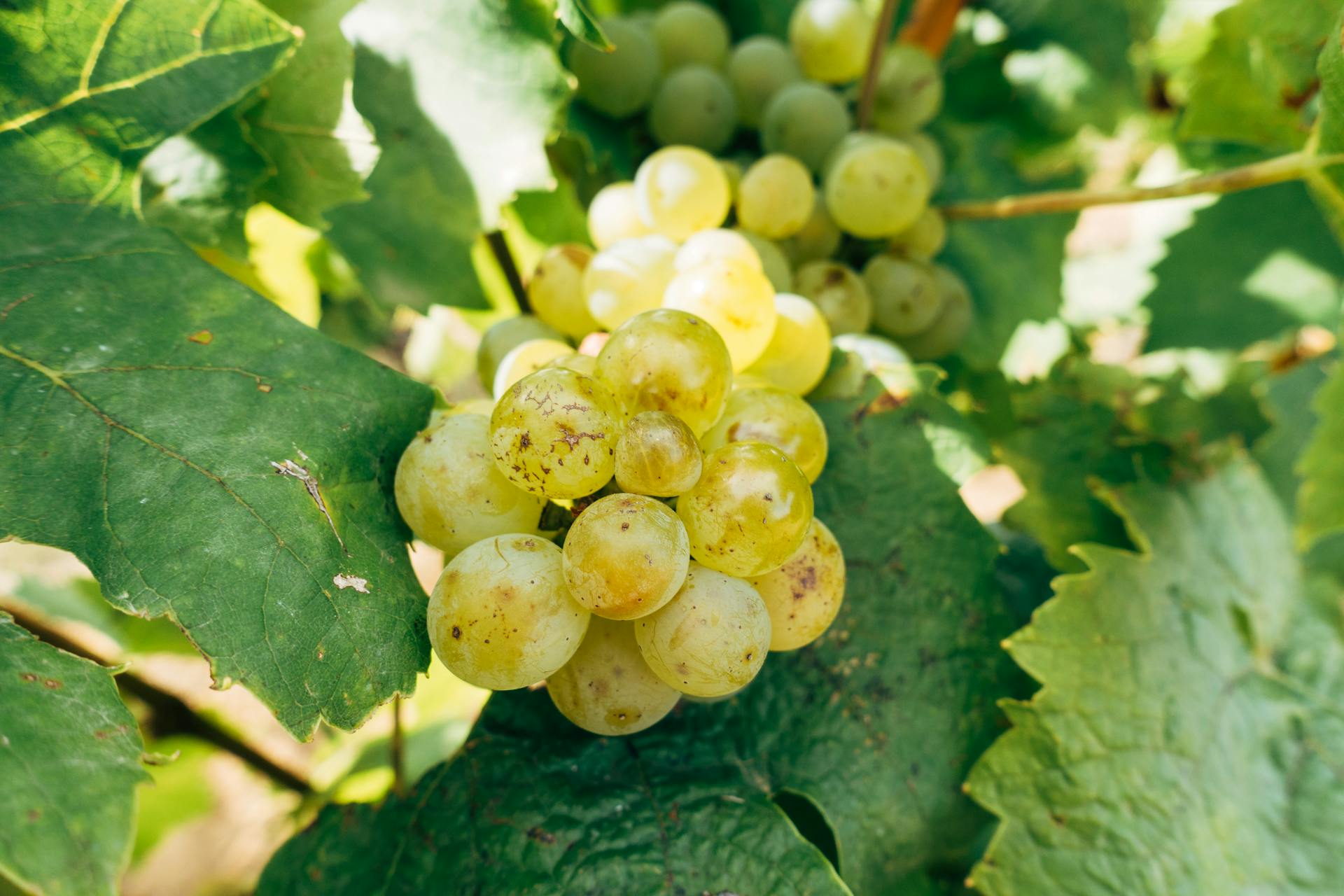
Photo by Markus Winkler
What About Chile?
Curiously, Chilean Sémillon has undergone a similar journey to that of South Africa[5]. In the 1950s, the grape made up around a third of all vineyard plantings. It was more popular than Chardonnay and Cabernet Sauvignon. A lot of Sémillon was being produced, but the industry was not as fine-tuned as it is today, and the wines bottled were mediocre.
Eventually, by the end of the 20th century, Sauvignon Blanc and Chardonnay had replaced it as the popular white varieties, and Sémillon was largely forgotten.
But not everywhere.
In Maule and Itata we find winemakers working with old vine Sémillon and producing delightful wines with them. These vines are over 70 years old, and therefore they struggle to get nutrients to the berries. I’ve written an article about how that’s beneficial for the grapes and desired by winemakers; you can read it here.
Old vines are revolutionizing winemaking in the country. It’s happening with Carignan and País, and even with Cabernet Sauvignon. And it’s also happening with Sémillon. I’m glad for the trend, because I really like these wines.
What’s Sémillon Like?
The grape has a thin skin but grows easily. When unripe, it’s similar enough to Sauvignon Blanc that many winemakers think that they might be related.
Sémillon smells of citrus and honey, with a touch of grassiness. It tends to lack acidity, especially when grown in warmer climates. When well made, Sémillon is a fuller-bodied white that’s expressive, complex, and interesting.
Old vine Sémillon from Chile comes from colder wine regions, so they maintain some of the berry’s natural acidity. Aromas are stronger and you’ll also find some yellow fruit in the nose. They are round, have a heavy mouthfeel and a long finish, and you can store them for a long time. Chile is also producing them with long skin contact, making tasty Orange wines.
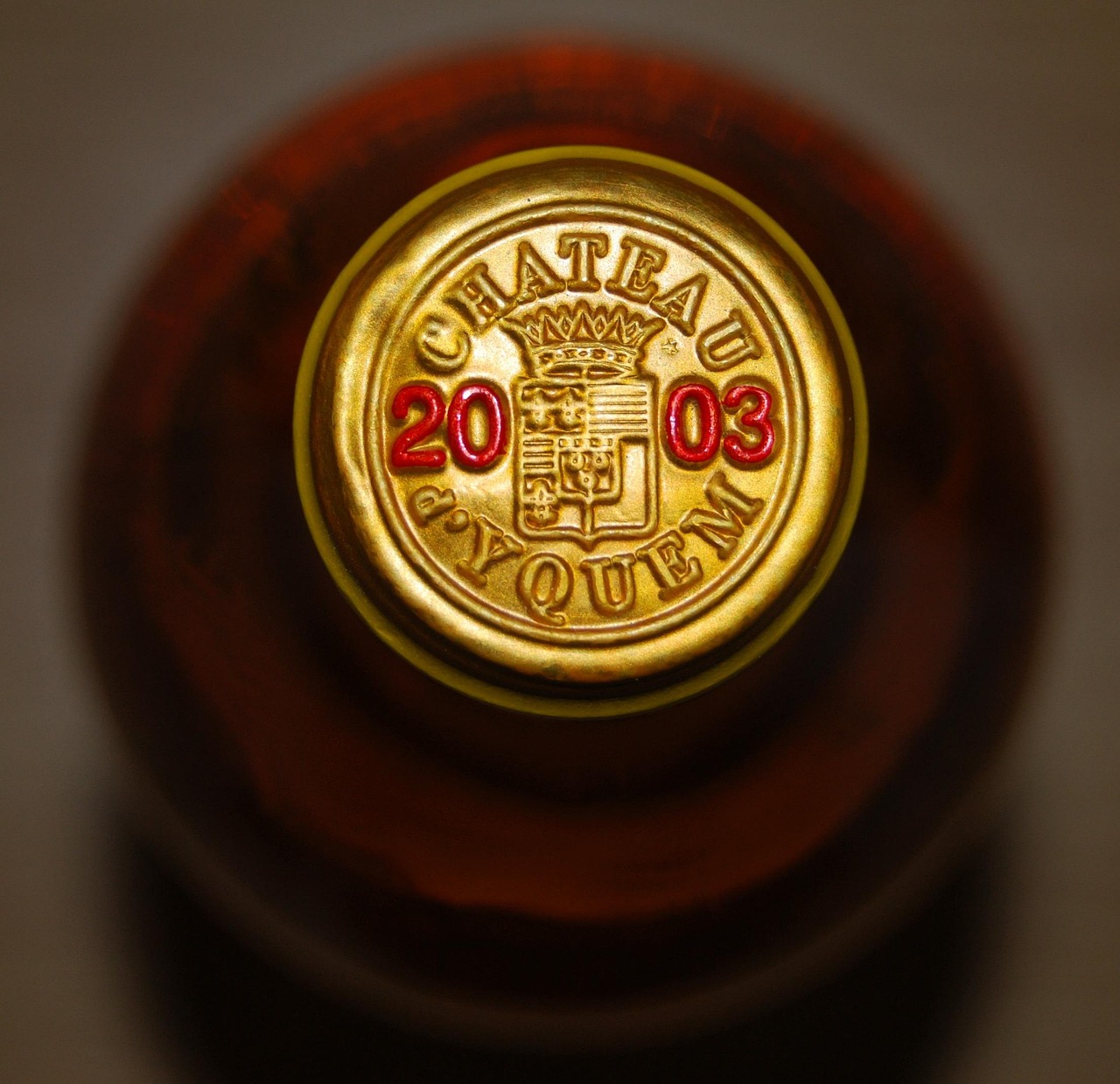
Photo by Ben Kerckx
Sémillon Pairings
I know it’s a cliché to say that white wine should be served with fish and seafood. Even I challenged this on a previous article about how to pair wine with food. Nonetheless, Sémillon goes great with fish and seafood. It’s fantastic with raw seafood like sushi and sashimi, and the added acidity in ceviche complements the wine quite well. Oysters are another recommendation, because the complexity of Sémillon matches the strength of the brine. It’s a great no-frills beachside eatery wine[6]. It will go great with wood-fire grilled sardines as well as battered fried fish.
Sémillon is versatile, though. When aged, it pairs well with creamy sauces and poultry. When off dry, serve it with spicy Asian or Latin-American cuisine. Of course, sweet Sémillon is a classic pairing for foie gras, blue cheeses, and certainly desserts.
I’ve been pushing for wine to be paired with mood instead of food. Sémillon is the wine to take on a picnic, either at the beach or feeling tghe grass with your bare feet. It’s your day off under the sun, when it feels bright and warm for the first time after winter.
Sémillon is complex and comes in many different styles. It pairs well with music. It’s listening to the dreamlike sitar in Norwegian Wood[7], which matches the vividness and complexity of the wine. And since I’m in a 60s vibe, you can also pair it with the cheery and bright Wouldn’t It Be Nice[8] which is vibrant and feels sunny, just like the wine.
The Last Drop
My first experience with Sémillon was a snifter of Sauternes served beside a foie gras appetizer over 25 years ago for my first ever tasting menu experience. At the time I didn’t know the grape. I don’t think I cared either. It was good wine for foie, and I only cared about the food back then. Please excuse past me. He was young and naïve.
My interest in wine grew during my last year of culinary school, which coincided when the movie Sideways came out. Suddenly, I needed to taste new things. It was around that time that I tried Chilean Sémillon for the first time. While I remember it being kind of a middle-of-the-road wine, I was disappointed that you didn’t find it in restaurant menus. Though that’s still happening today, you at least see it more often. I believe consumers are finally ready for more Sémillon.
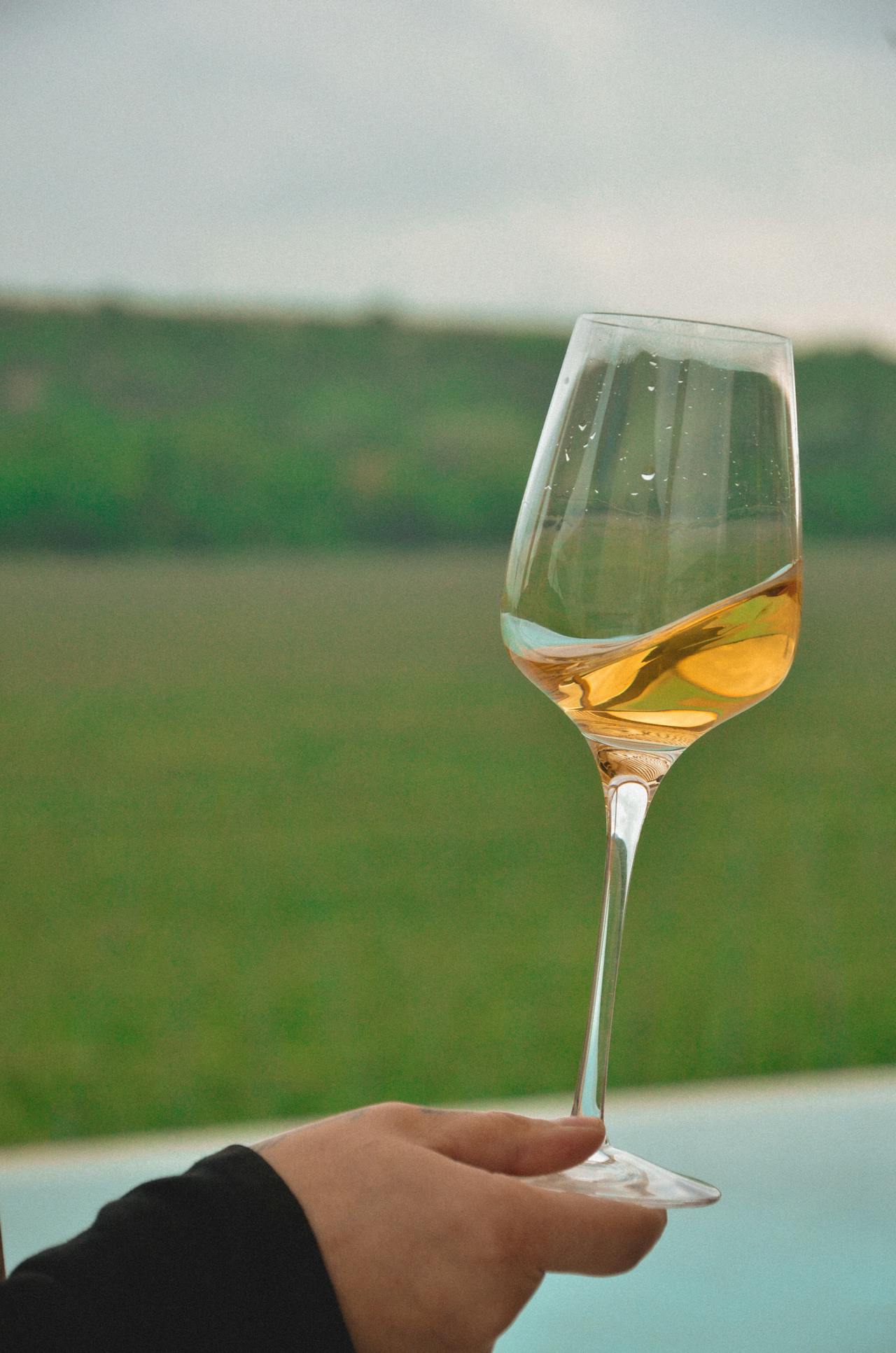
Photo by Kristina Chuprina
[1] Botrytis Cinerea is a fungus that attacks and shrivels the grape, which becomes partially raisined. This concentrates the sugars in the berries, which is why the wines produced with botrytized fruit are sweet. Vintners call this fungus noble rot due to the fine wine it helps produce.
[2] Both are AOCs within Bordeaux, and both are known to make excellent sweet white wines with botrytized Sémillon grapes (and also Sauvignon Blanc and Muscadet, but we’re not deep diving into those today)
[3] Saint-Émilion stands on the right bank of the Gironde River and is known for its Merlot blends.
[4] Though lesser known than neighboring Bordeaux appellations, Bergerac and Saussignac (among others) make phenomenal white blends, both sweet and dry, using Sémillon.
[5] And Argentina as well. I must mention that Argentina has been producing killer Sémillon wines for the past couple of decades.
[6] If they offer it, which is unlikely in Chile, unfortunately.
[7] By The Beatles, from their 1965 album Rubber Soul.
[8] By The Beach Boys, from their 1966 album Pet Sounds.
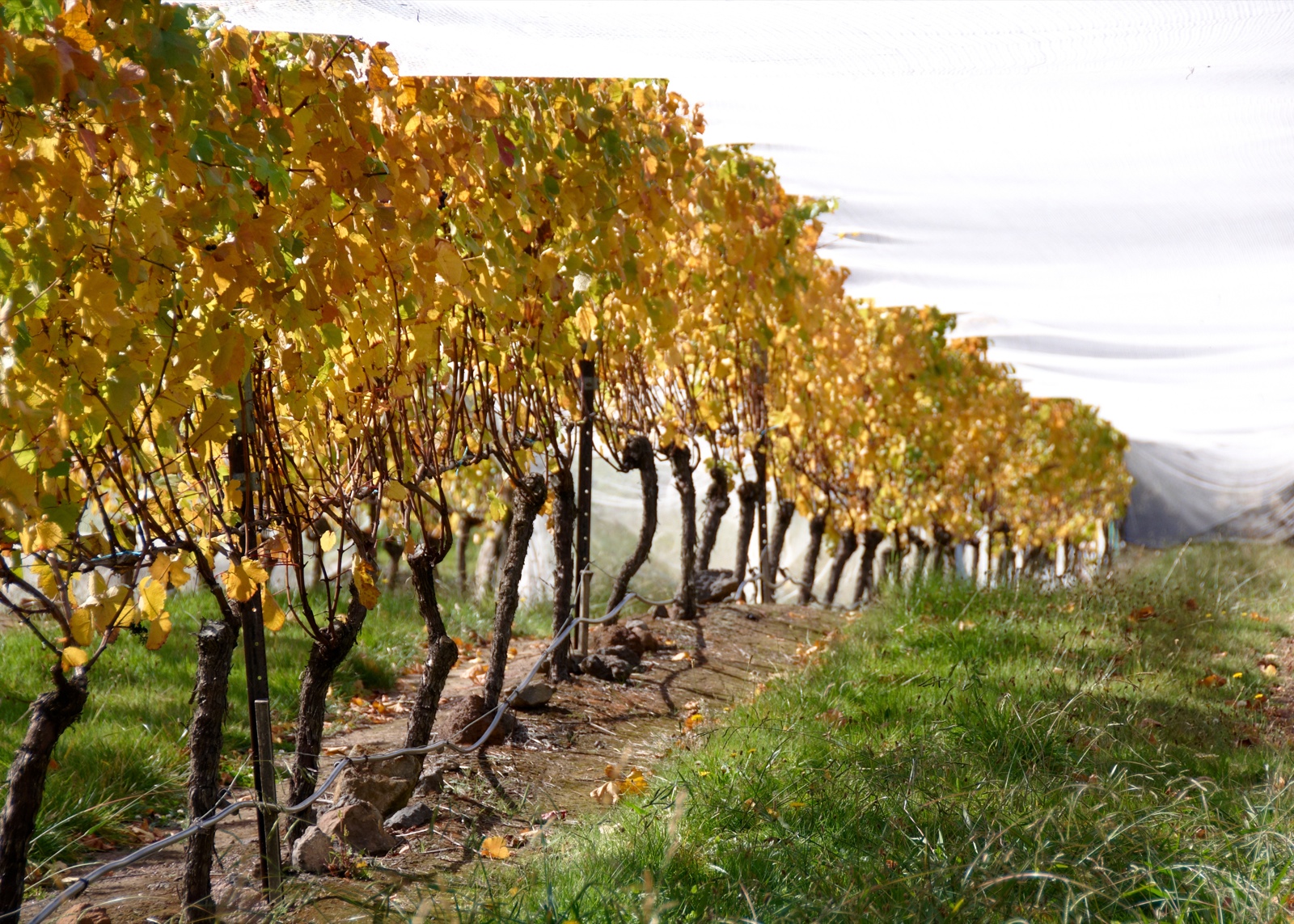
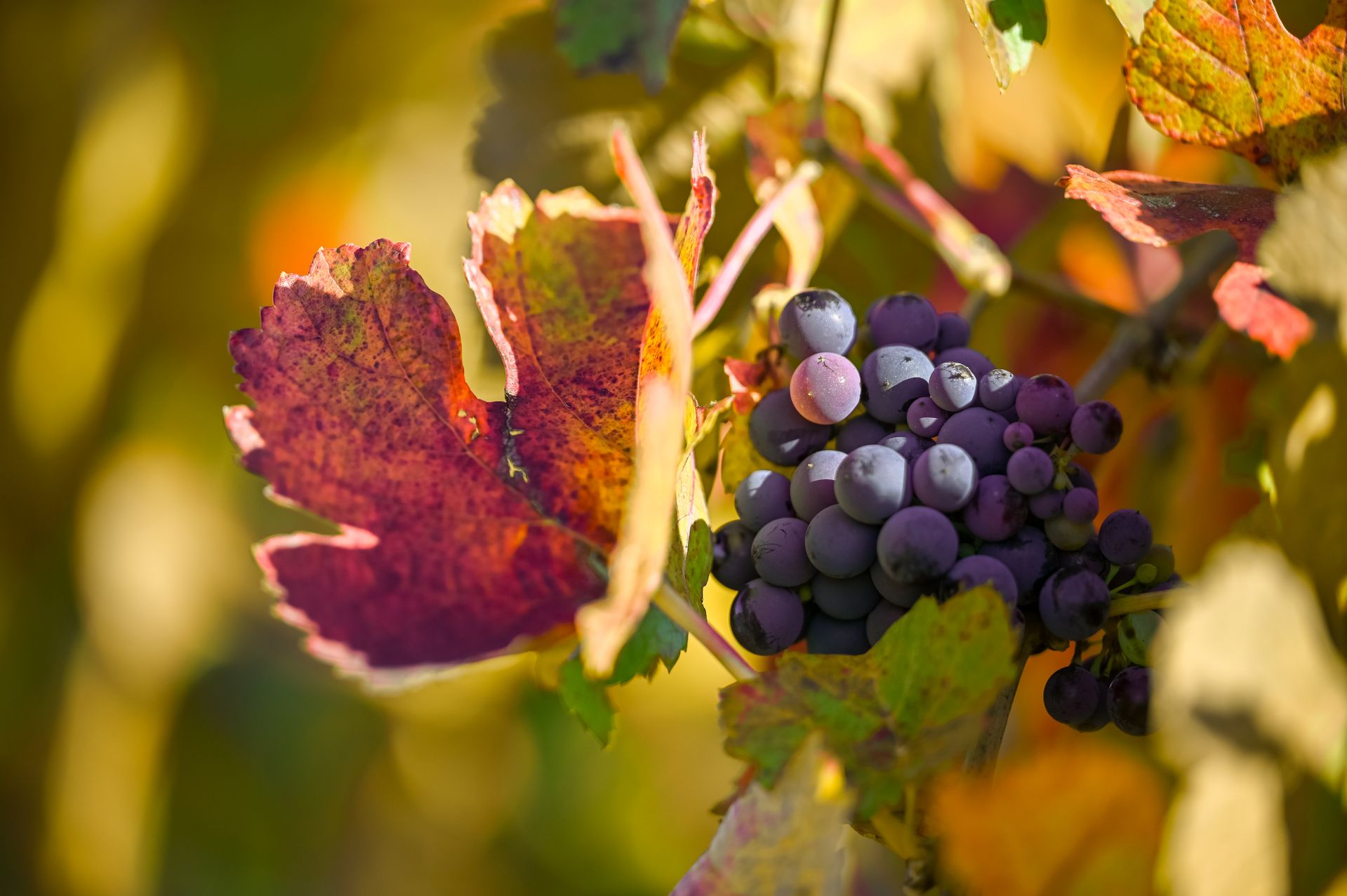
Cover Image: Sémillon Vines in New Zaeland. Photo by Nathan Jones.

Leave a Reply