

Planning a trip to the Colchagua wine region? Learn about the region’s rich history, diverse climate, and Napa-inspired tourism just two hours south of Santiago.
The Colchagua wine region is one of the oldest ones in Chile. It’s also the country’s premier red wine producing valley. Because it’s relatively close to Santiago, recent developments in the region have been made around tourism.
Since the Colchagua wine region extends from the Andes to the Pacific Ocean, you can find great examples of both high-altitude and coastal wines. However, most vineyards are in the warmer valleys in between. There, where the bulk of Colchagua’s wine is produced, you can find reds and whites in an assortment of value and quality.
For instance, if you’ve had a Chilean Carménère before, it’s likely that it came from the Colchagua wine region[1].
Some History Behind the Colchagua Wine Region
Wines and vines came to Chile in the 16th century, as conquistadores needed them to evangelize the natives. Since the basins in the Central Valley are ideal for vines, producers gradually moved south from Santiago and the Maipo wine region, reaching Colchagua by the late 1500s.
The Spaniards didn’t do much with their wine industry during the colony, however. It was only after Chile gained its independence that, with help from French experts, wine producers thrived. French vines, including Bordeaux varietals, were imported to revitalize Chilean winemaking. I’ve written elsewhere how Carménère was among those early imports, but at some point, the vines were planted as Merlot. When the mistake was discovered 200 years later[2], Chile capitalized on Carménère with Colchagua at the helm.
The region has seen a renaissance since the end of the 20th century, as entrepreneurs saw untapped tourism potential. Most of the newer developments have been inspired by Napa in California.
The Climate(s) of the Colchagua Wine Region
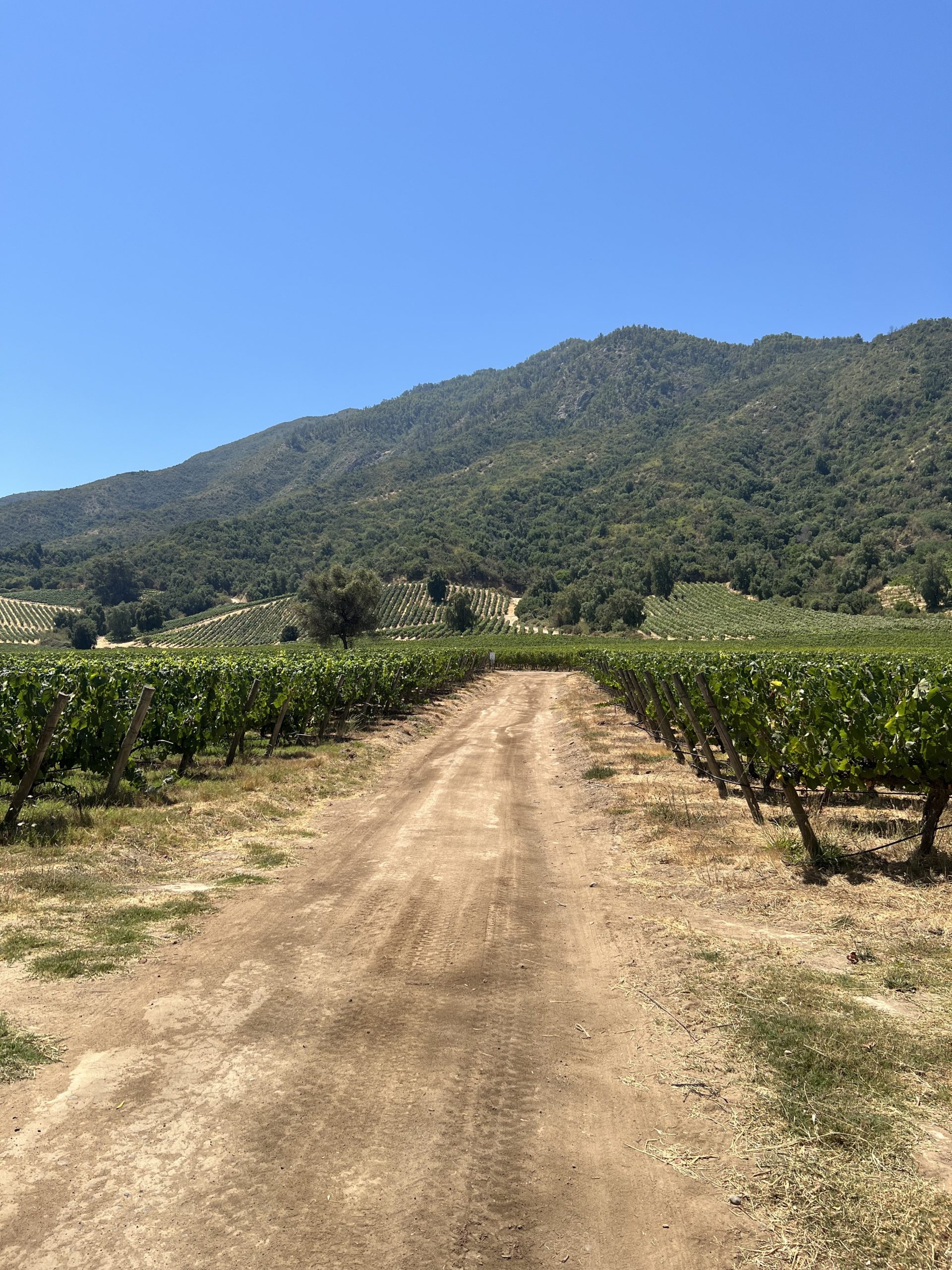
As mentioned above, most of the wine grown in Colchagua is in valleys between the coast and the Andes, where a warm and dry Mediterranean climate is normal. Summer days are hot with plenty of sunlight, but nights are cooled down by ocean breezes.
On the slopes of the Andes, you’ll find Colchagua’s finest producers[3]. Most wineries in what we call Colchagua Cordillera (or Alto Colchagua, or Colchagua Andes) are at an altitude between 400 meters and a little under 800[4]. However, some projects are higher than that, where the vines get a lot of sunlight, but the temperature is considerably lower. These winemakers are producing interesting reds and crisp whites.
On the other hand, to the west, the Colchagua wine region borders the ocean. Therefore, wineries there are better known for lighter reds and crisp whites.
So, as you see, it’s not only those juicy reds that define this wine region, it’s its diversity that does it.
Where Is Colchagua Exactly?
Colchagua is part of Chile’s Central Valley, spanning from the southern edge of Santiago to just north of the city of Chillán, about 250 miles[5] from Santiago. It’s also a part of the Rapel Valley, which borders Maipo to the north and as far as winegrowing is concerned, has two main territories: Cachapoal to the north and the Colchagua wine region to the south.
Colchagua, then, borders Cachapoal to the north, the Andes mountain range to the east, the Pacific to the west, and the Tinguiririca river[6] to the south. Colchagua is between two and two and a half hours[7] south of Santiago.
What Kinds of Wines Come Out of the Colchagua Wine Region?
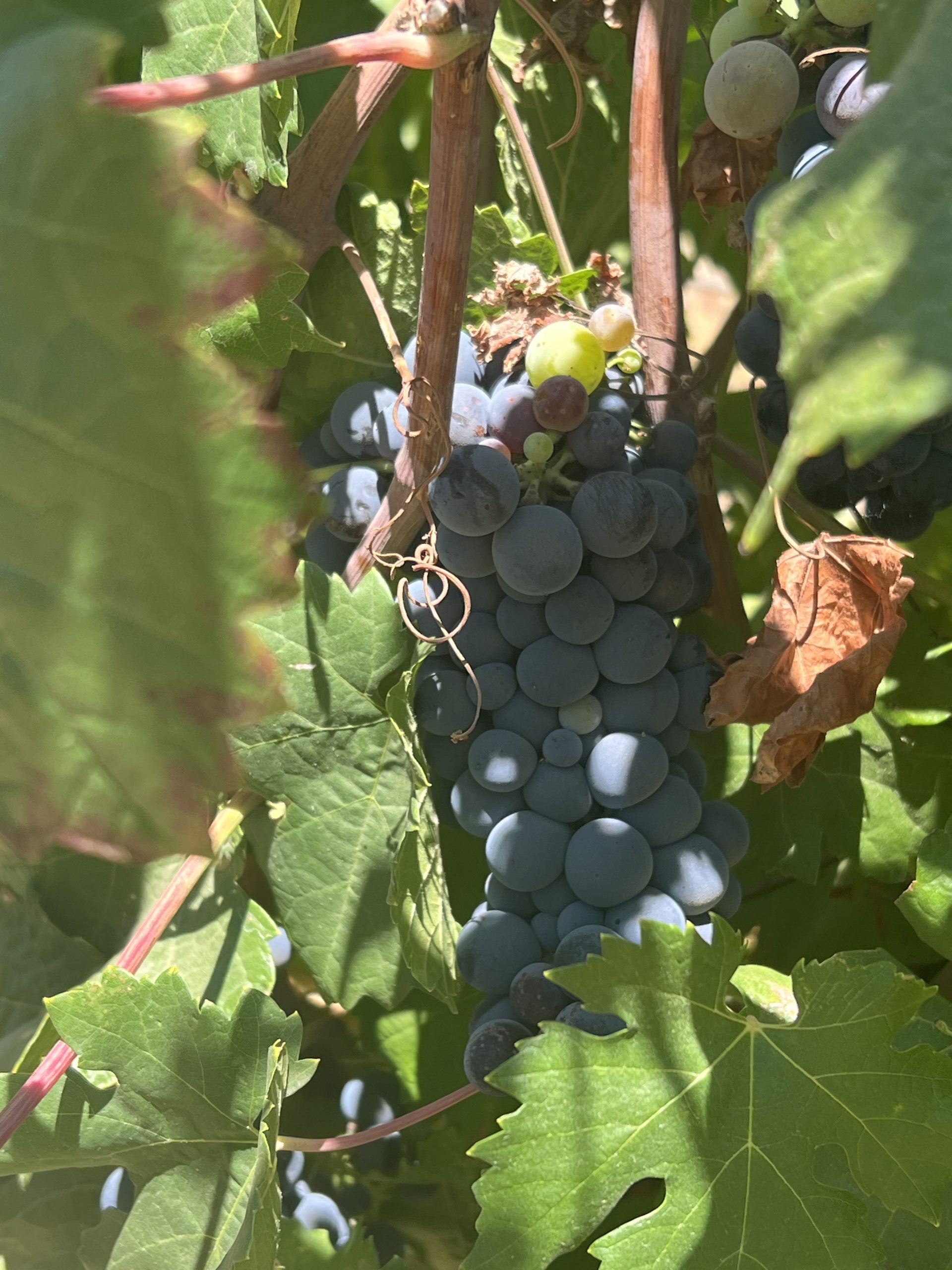
You’re likely familiar with Colchagua’s style of bold, fruit-forward Carménères, but of course other Bordeaux reds are also planted in the valley. Cabernet Sauvignon and even Merlot are common, although the latter is mostly produced for blends and bulk exports. Interestingly, Malbec was first planted in Chile and taken from there to Argentina, where it thrived in Mendoza. Still, Colchagua has some of the oldest Malbec vines in the continent.
Other than high-altitude quality reds, great cold weather Syrah, Grenache, and other Rhône varietals also grow in the slopes of the cordillera, as well as some whites, but those are more common in coastal Colchagua. I’m particularly fond of the Sauvignon Blanc crafted there, but interesting Chardonnay and light reds like Pinot Noir are also produced close to the ocean.
Coolchagua
Modeled—a little—after Napa’s tourism strategy, the Colchagua wine region offers varied lodging options at several price points, restaurants featuring the valley’s bounty, and diverse fun activities like horseback riding, hot air balloons, and even a train through vineyards during the warmer months of the year.
Colchagua just has a lot to offer. Accommodations, for instance, include camping, glamping, classic hotels downtown in Santa Cruz[8], and five-star housing up the Andes or by the coast. Food is equally diverse. You can eat traditional Chilean fare, good seafood, asados[9], and there’s even a good Italian restaurant.
The area, like all winegrowing regions, is beautiful. Since Chile is a narrow country, you can travel from the Cordillera to the Pacific Ocean in just over two hours. In no time you’ve gone from gorgeous mountain views to relaxing by the ocean listening to crashing waves.
Locals have been calling the valley Coolchagua for some time now. It certainly is.
The Last Drop
As we’ve seen, the Colchagua wine region has a lot to offer for visitors. It also has a lot to offer when we talk about wines. You’re probably already familiar with the fruity Carménères from the warmer valley regions. But if you like elegant cool-climate reds, you can find those on the slopes of the Andes, where winemakers are also experimenting with lighter reds like Cinsault or País. And if you prefer whites? Coastal wineries offer crisp Chardonnay and Riesling as well as Sauvignon Blanc.
Both Maipo and Casablanca are closer to Santiago than Colchagua, and therefore I visit them more, especially the latter. They’re both day trips from my home, so it’s easier for me to find the time to visit. However, there’s more to do in Colchagua. Not necessarily better, but more variety. And it’s still close enough to Santiago that a weekend trip can be easily fulfilled, and you’ll leave thinking you needed at least an extra day to fully take advantage of Coolchagua.

Footnotes
[1] Carménère is, of course, planted in other wine regions, but Colchagua and its northern neighbor, Cachapoal, are the main ones.
[2] Which happened in Maipo, not the Colchagua wine region, in case you were wondering.
[3] And I get it; they’re all fine producers. I mean internationally recognized, award winning, expensive.
[4] Around 1300 to 2600 feet, if you use imperial.
[5] Or just over 400 kilometers if you use metric.
[6] The river is there and I mention it to have a definitive geographical feature, but in reality Colchagua—and therefore Rapel—ends where the next valley south, Curicó, begins.
[7] I’m using the city of Santa Cruz as an end destination, although time will differ depending on where in the Colchagua wine region you’re going to.
[8] Santa Cruz is a major hub for tourism in the valley. During harvest, it organizes activities around Plaza de Armas, their main square.
[9] The asado (or parrillada) is what we call cooking meats (and, yes, sometimes vegetables as well) over an open fire, sort of like a barbecue.
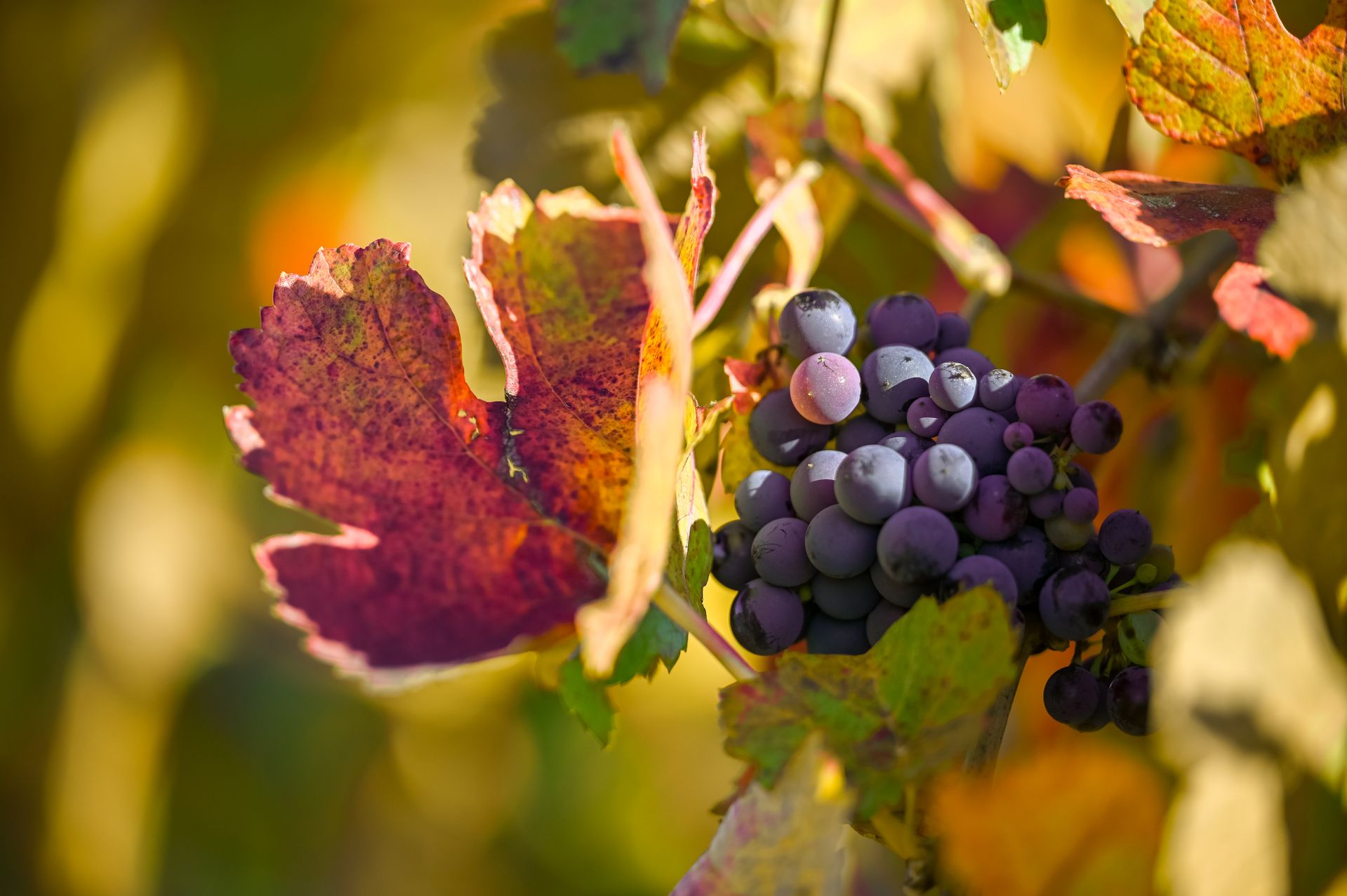
All pictures from the Colchagua wine region are mine.

Leave a Reply