
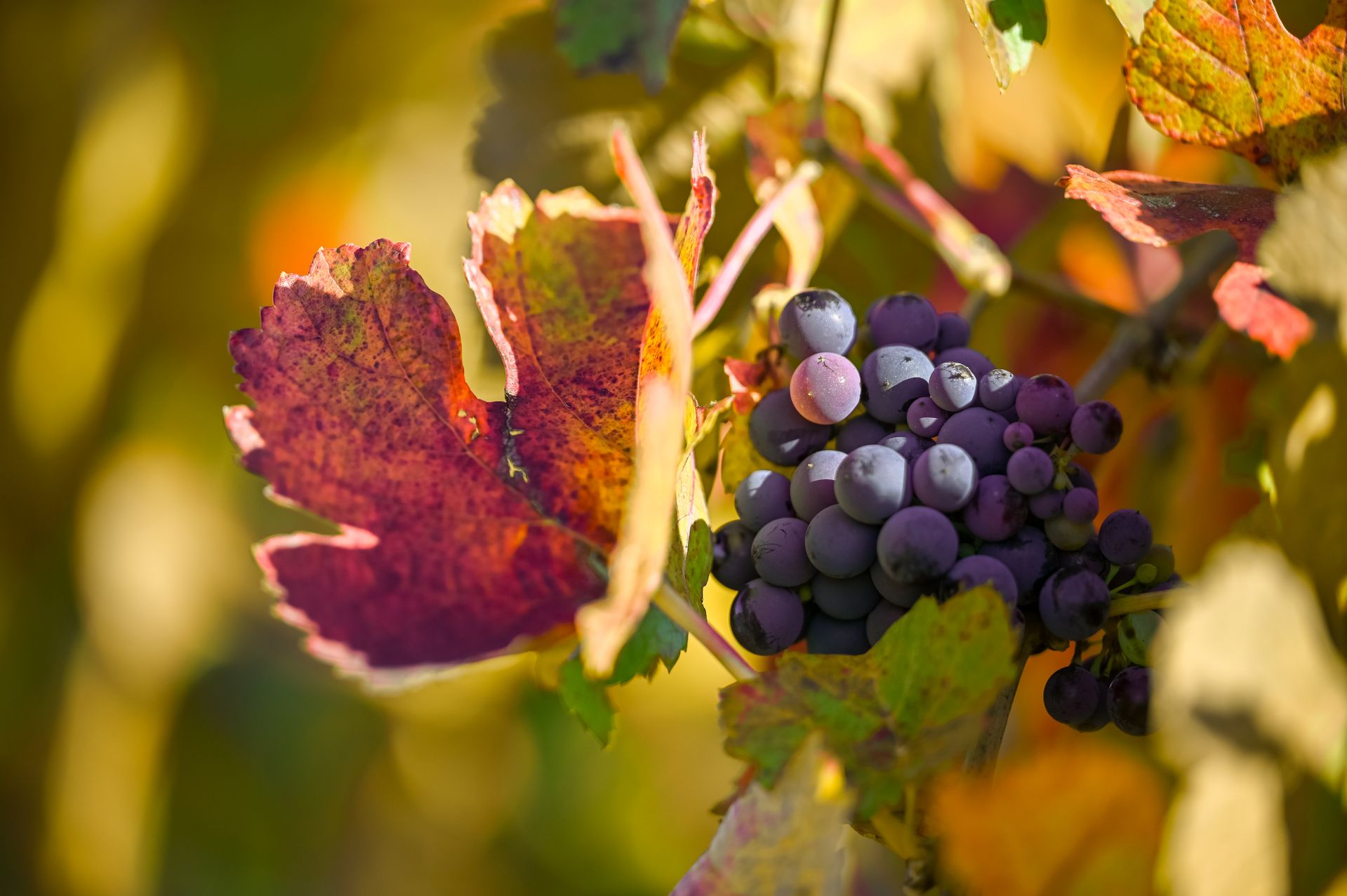
From winter dormancy to autumn harvest, explore the yearly life cycle of the vine and learn what growers do every season to craft great wine.
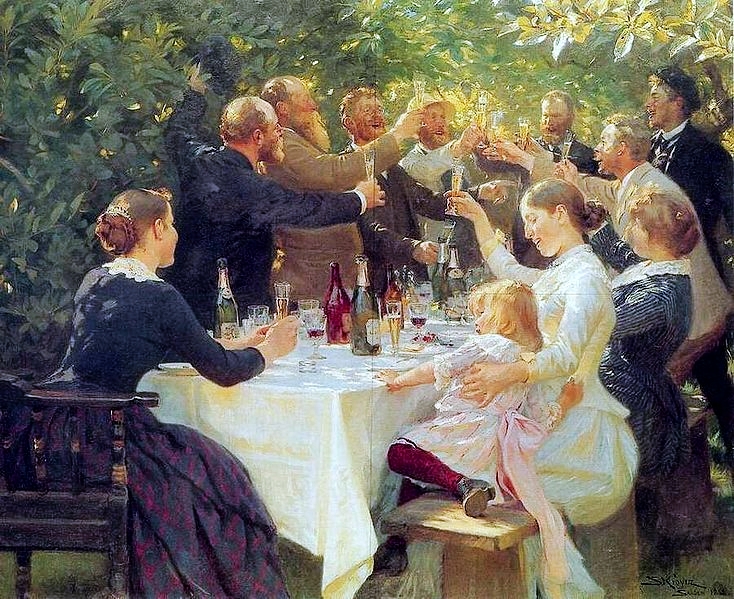
Wine has been considered sacred to many civilizations, as can be seen by the art that they left us. In Christian and pre-Christian art alike, wine has been the blood of gods and vines a symbol of resurrection. If you look at it from a certain perspective, it makes sense.
Today we know that the vine is dormant over the winter months, but it’s easy to see how anybody might view a leafless plant as dead. But soon, as the sun feels warmer during early spring, buds start popping up—the first signs of life!
Leaves grow, flowers appear, and then we get the fruit, which will grow and ripen until it’s ready to be made into wine. In this post, I want to talk a bit about the life cycle of the vine, with all the steps that winemakers take to ensure their resulting wines are worthy of the blood-of-gods association.
And because I want to end with the harvest, we’ll start in autumn, with fruitless vines.
Autumn Life Cycle of the Vine
Harvest is a busy time in a winery, but vintners can’t just concentrate on the winemaking process and forget about the vines after the fruit is picked. They still have decisions to make in the fields depending on climate.
If the weather is dry, and first frost is still months away, winemakers might want to think about irrigation to keep the leaves green for longer, which is important in the life cycle of the vine, particularly if its roots are water-stressed. See, the leaves continue to gather energy from the sun through photosynthesis, but since the fruit is gone, it now goes to the roots as reserves to survive the winter.
Irrigation is important mostly is warmer-weather vineyards, but not as much if the climate is cold. There, the risk is a different one: frost. Because of phylloxera, most vines consist of two parts, a European trunk grafted onto an American rootstock. It’s that graft union point that’s vulnerable. Sub-zero temperatures can kill the tissues on this union, and that would also kill the upper part of the plant, so winemakers insulate the susceptible part by burying it in soil.
Eventually the leaves will turn and fall, but not before one last gasp in the normal life cycle of the vine: as chlorophyll breaks down, the leaf reabsorbs its remaining nutrients and transfers them to the trunk before dropping.
Winemakers typically let leaves lie where they fall. They will decompose slowly and naturally turn into mulch, which will only help the soil in the springtime. Only if the vineyard has suffered some type of fungal disease, will the winemakers choose to remove the fallen leaves for sanitation purposes.
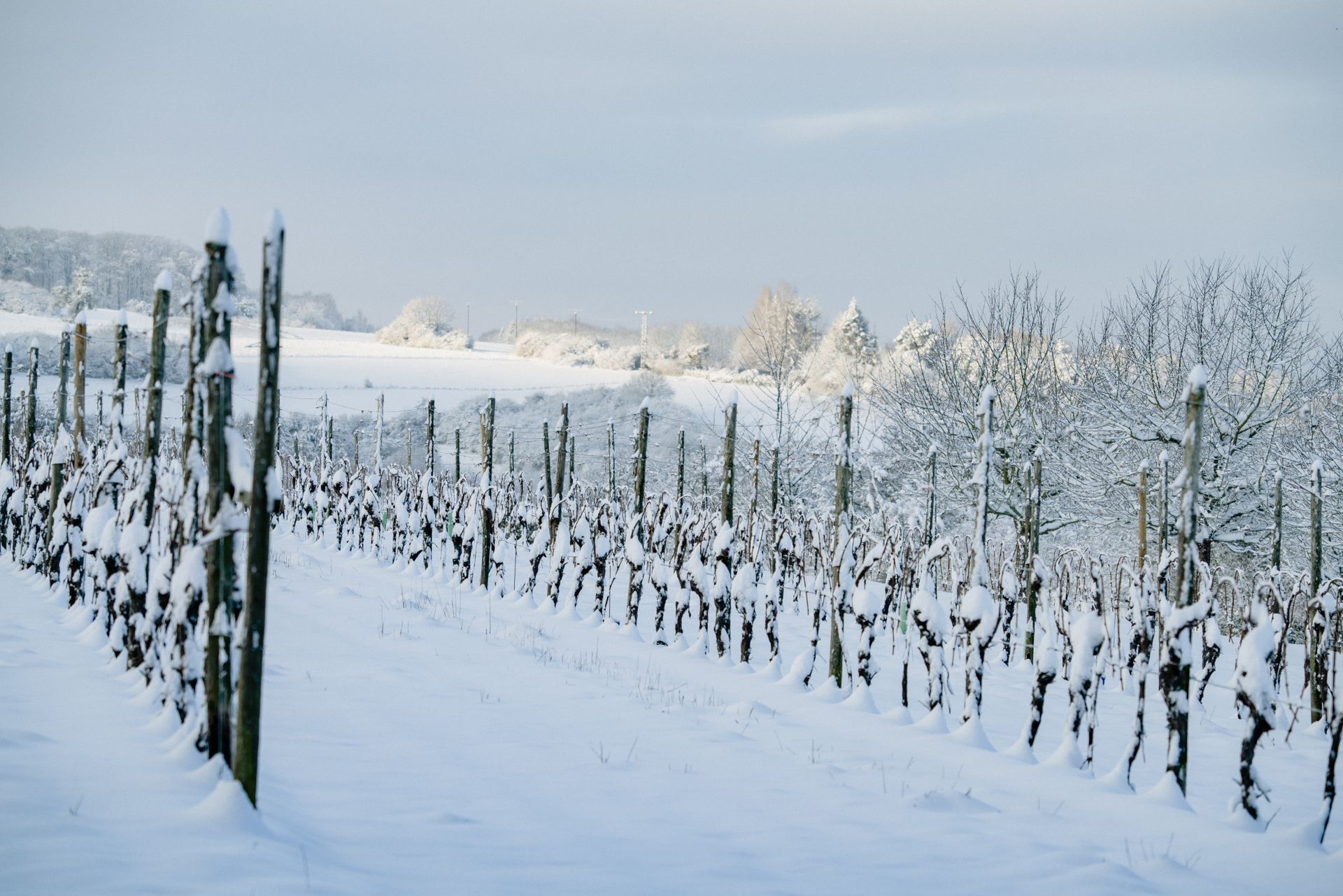
Winter Life Cycle of the Vine
The vine is dormant, but that doesn’t mean vineyard activity stops. The vine has accumulated energy after harvest, and those starches are turned into sugars that are stored in the vine’s cells, and that keeps them from freezing because a high concentration of sugars in water lowers its freezing point. Other than that, the vine is as good as hibernating, waiting for warmer temperatures.
Winemakers are also busy during the winter months. Arguably, in fact, pruning is the most important decision for a winemaker regarding the life cycle of the vine. Pruning involves cutting away canes from grapevines to remove dead and excess wood. In vineyards, however, pruning is also used to control yields and where leaves will grow to ensure the fruit gets the desired amount of sunlight.
Viticulturists are also busy maintaining the trellis lines and replacing dead vines if necessary. New vines will be planted as soon as the soil thaws. That happens in the next step of the yearly life cycle of the vine: spring.
Spring Life Cycle of the Vine
As temperatures starts to rise, the roots come out of their wintertime dormancy and reactivate. Water begins moving inside the plant once again, distributing minerals and nutrients throughout. This also means that sap starts dripping from the cuts leftover from pruning, which is like a signal to the winemakers that the plant has awakened.
A few weeks after this “bleeding,” as we call it, buds swell and eventually green leaves burst out of them. Days pass and temperatures keep tending upwards, allowing leaves to develop and vine shoots to grow rapidly. Eventually, flowers will begin to appear. Domestic grapevines are mostly self-pollinating, and once that process is done, flowers shed their petals and fruit begins to set; that is, the petal-less flowers swell into tiny berries.
The vine is busy during springtime, and so are the winemakers. To ensure proper fruit ripening, they must protect the vines from spring frosts. The buds, flowers, and berries are delicate during this stage of the life cycle of the vine, so it’s not unheard of that winemakers spend sleepless nights operating wind machines or controlling sprinklers to protect them. Vintners also guide growing vines to follow the wires on the trellis, which protects the plant from wind and also clears the path for tractors or humans who need to take protective measures against disease.
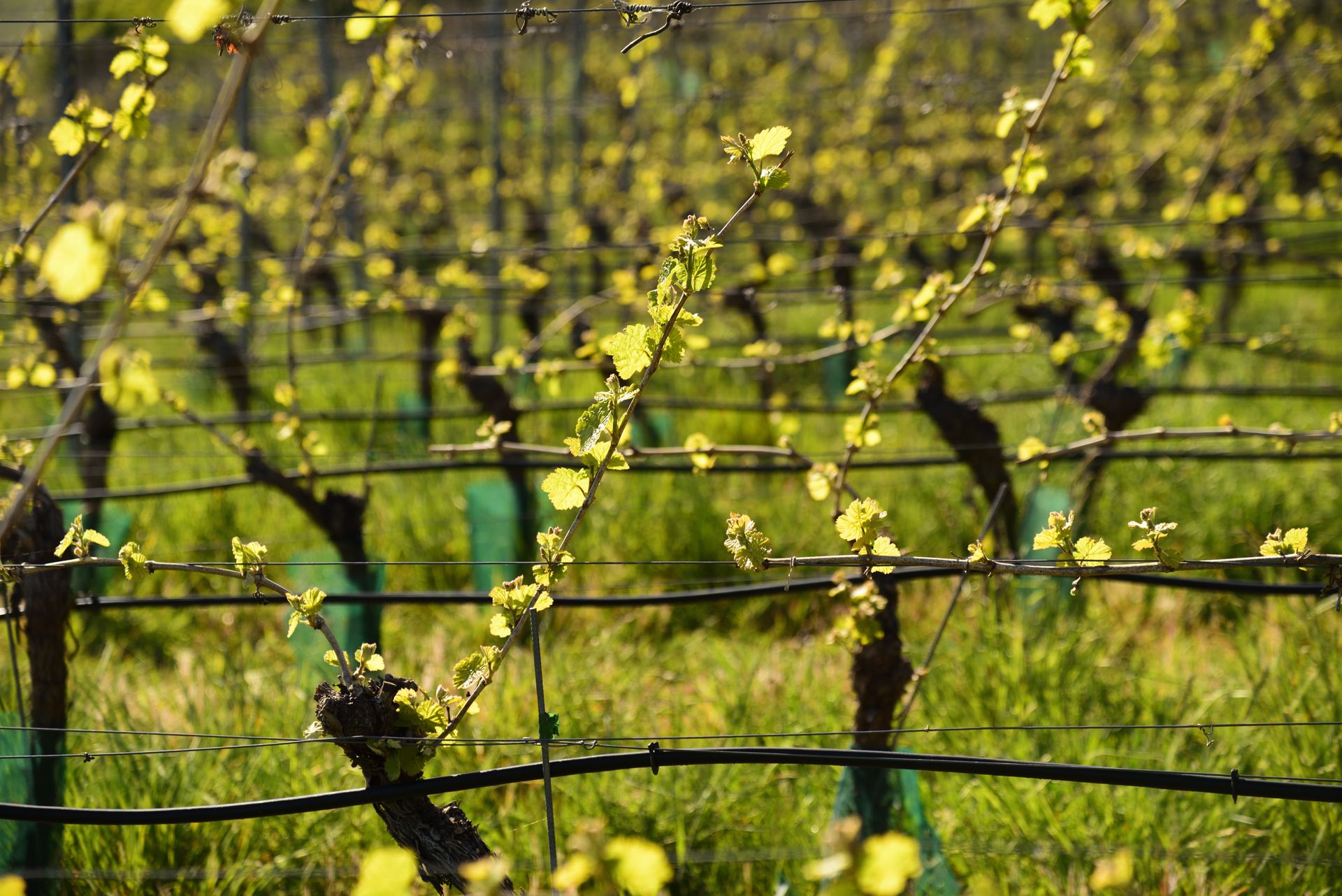
Summer Life Cycle of the Vine
Summer is an interesting time for the vine. As spring wanes, shoots and leaves stop their growth so that all the energy from photosynthesis and the nutrients from the soil can be directed to the fruit. All grapes start their life as green berries, and it’s during this process that they develop the colors we associate with the wines that they produce: reddish purple for red wines, and greenish yellow for whites.
As the fruit ripens, malic acid falls and sugars rise. Winemakers must seek the proper balance when deciding when to harvest. During the summer life cycle of the vine, they are busy sampling berries and measuring acidity and sugars, so that they can plan for the best time to pick the grapes.
Viticulturists also trim overgrown shoots to control shading and to prevent them from consuming sugars that should go to the grapes. And speaking of which, they also cut off underripe clusters of berries because that lowers the yield and therefore concentrates flavors in the remaining fruit. Lastly, if regulations allow it, winemakers can decide to irrigate the plants if the climate has been too hot and arid. I remember once while I was visiting the Chianti Classico wine region during a particularly hot summer in the middle of a years-long drought, the region’s governing body was debating if they should allow winemakers to water their vines. Exceptions can be made even in the harshest regulations. After all, everybody wants better wine to be produced.
The Last Drop
We reach the end of the life cycle of the vine. The standard was to pick the grapes during autumn. In the Northern Hemisphere this was late September through October, and late March through April in the Southern Hemisphere. However, climate change has brought warmer temperatures, and the fruit is therefore ripening early. Most vineyards, to preserve acidity and balance, now harvest during late summer.
The yearly life cycle of the vine keeps it busy. Even when they’re dormant, they’re doing something important for the health of the fruit, which is why the best wines are produced from vines growing between the 30th and 50th degrees of latitude in both hemispheres. Wine grapes can grow closer to the equator, but the plants there produce more than one harvest, and they never sleep. The plant’s energy, then, is split between its harvests, and therefore the fruit is never as concentrated as winemakers would prefer.
Winemakers are also busy through the year. There are many decisions they must make during each step of the life cycle of the vine. Every month—even every week—something changes and they decide what’s best according to the wine they want to produce. I’ve only skimmed the surface of the work they do, but I hope enough to give you a good idea that they’re always busy. If you would like me to go deeper into any of what I covered today, don’t hesitate to reach out.
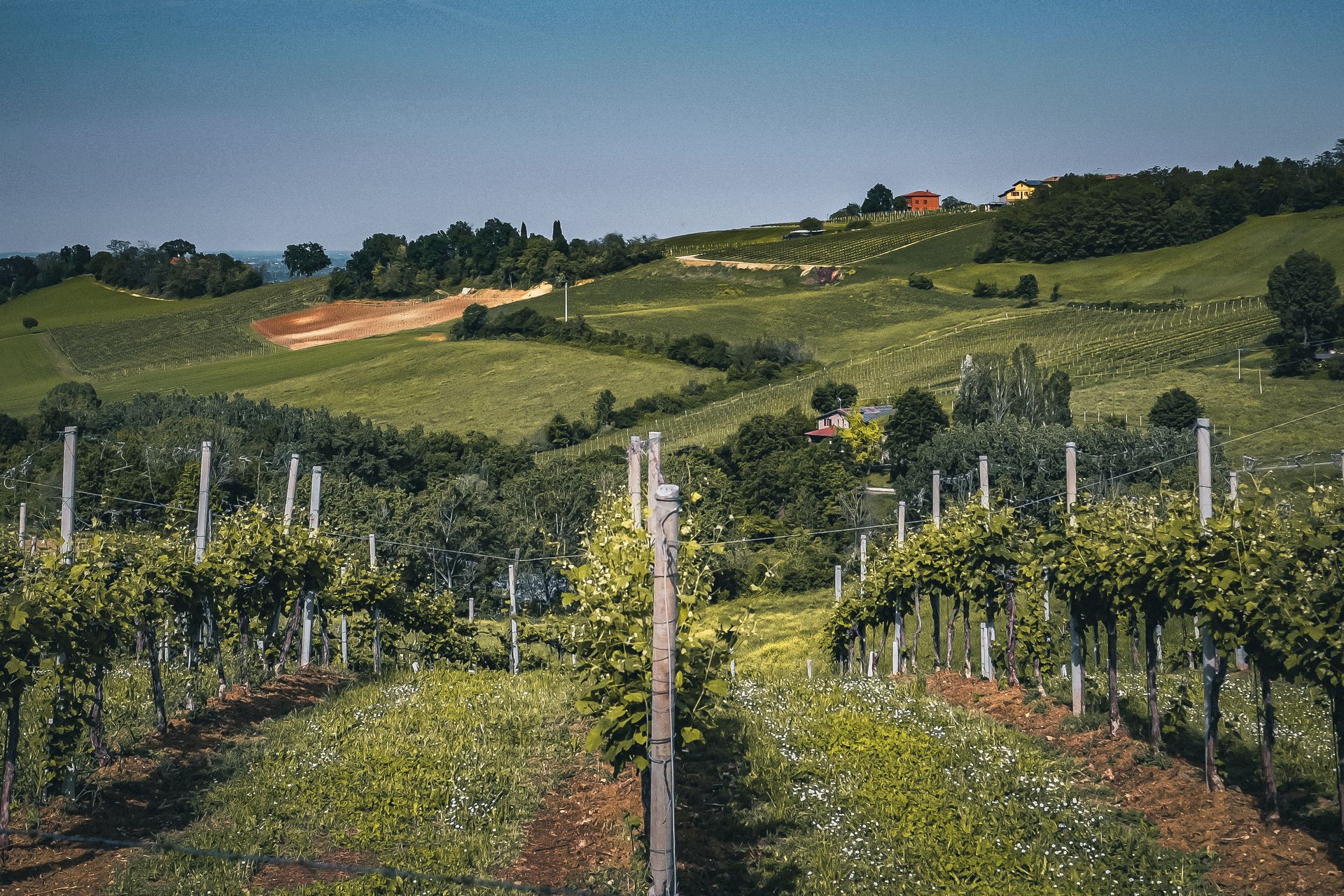
Cover Image: The turning of the leaves right before harvesting the fruit. Photo by Zetong Li.


Leave a Reply