
Learn how phylloxera devastated 19th-century wine regions, why grafting saved European vines, and how Chile remains uniquely immune today.
Today I want to talk about phylloxera, the insect plague that almost left us without wine, and the role the Americas had in reviving lost plantations in Europe.
As consumers, we don’t think about this blight often, but it was a big deal in the second half of the 19th century. By the time a solution was found, an estimated two-thirds of all European vineyards were destroyed, including a reported 70% of all vines in France. Can you imagine a world without Bordeaux or Burgundy?
Today, phylloxera is still active, but we’ve learned to live with the threat, thanks to the rapid response of expert botanists who found a solution during the late 1870s. Let’s talk about that solution and the aftermath of this pest. But first, what is phylloxera?
Dry Leaf
Phylloxera derives from the Greek words meaning… well, you read the title for this section… meaning dry leaf: xērós is dry, and phúllon—later phyllo, as in phyllo dough, in Latin—is leaf. The name is (ancient) Greek, but it was only coined in the 1860s by Jules-Émile Planchon, a French botanist, after seeing the effects that this insect had on the plants.
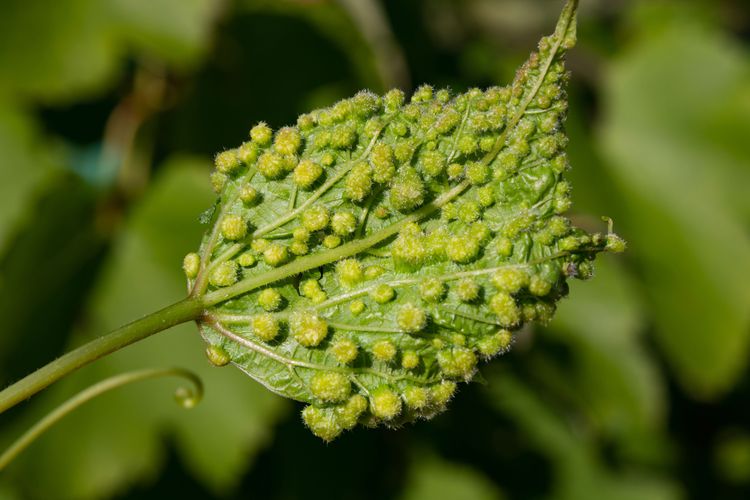
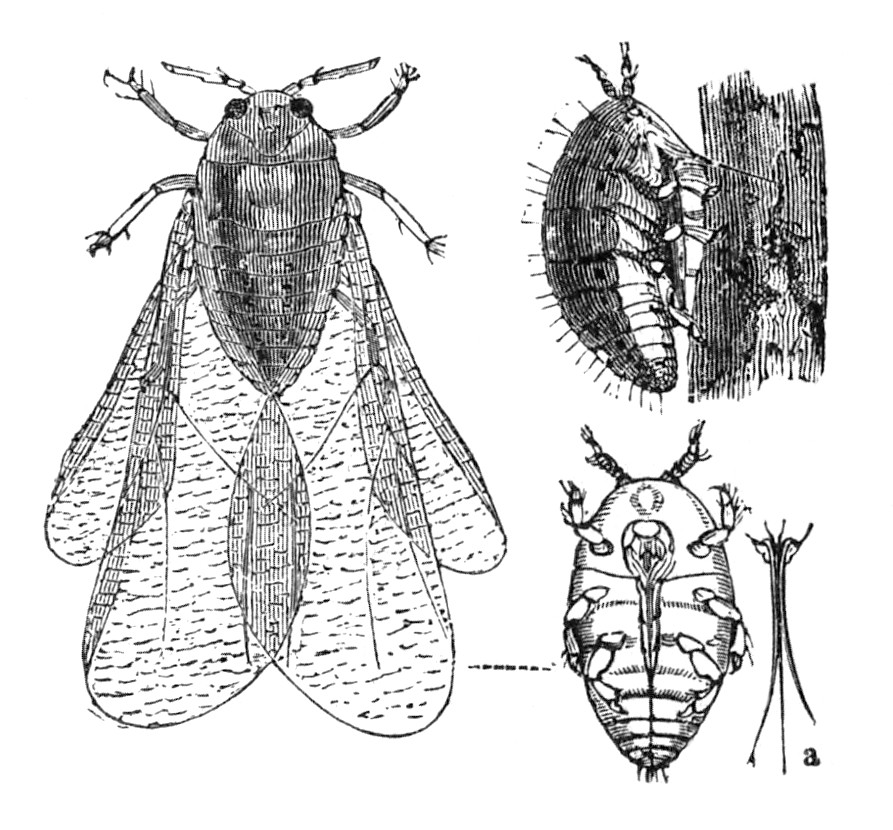
The pest is a very small, pale-yellow insect related to aphids. It feeds by sucking the sap out of the roots and leaves of the grapevines. In doing so, they inject their poisonous saliva into the roots, kickstarting the vines’ decay, as the vine withers and dries out, which is how the name came about.
The full name given to this insect is Phylloxera vastatrix, the latter deriving from the Latin vastare, meaning “to destroy”. Truly a fitting name.
Phylloxera, An American Natural
The plague devastated European crops, but it’s a native of North America’s eastern regions. American vines have evolved to be resistant to phylloxera, so this insect was not a problem for local varieties of wild grapevines. However, that’s just the thing: they were wild varieties. We’re not talking table grapes or anything like that. If you walk past these bushes, you’re unlikely to recognize them as vines.
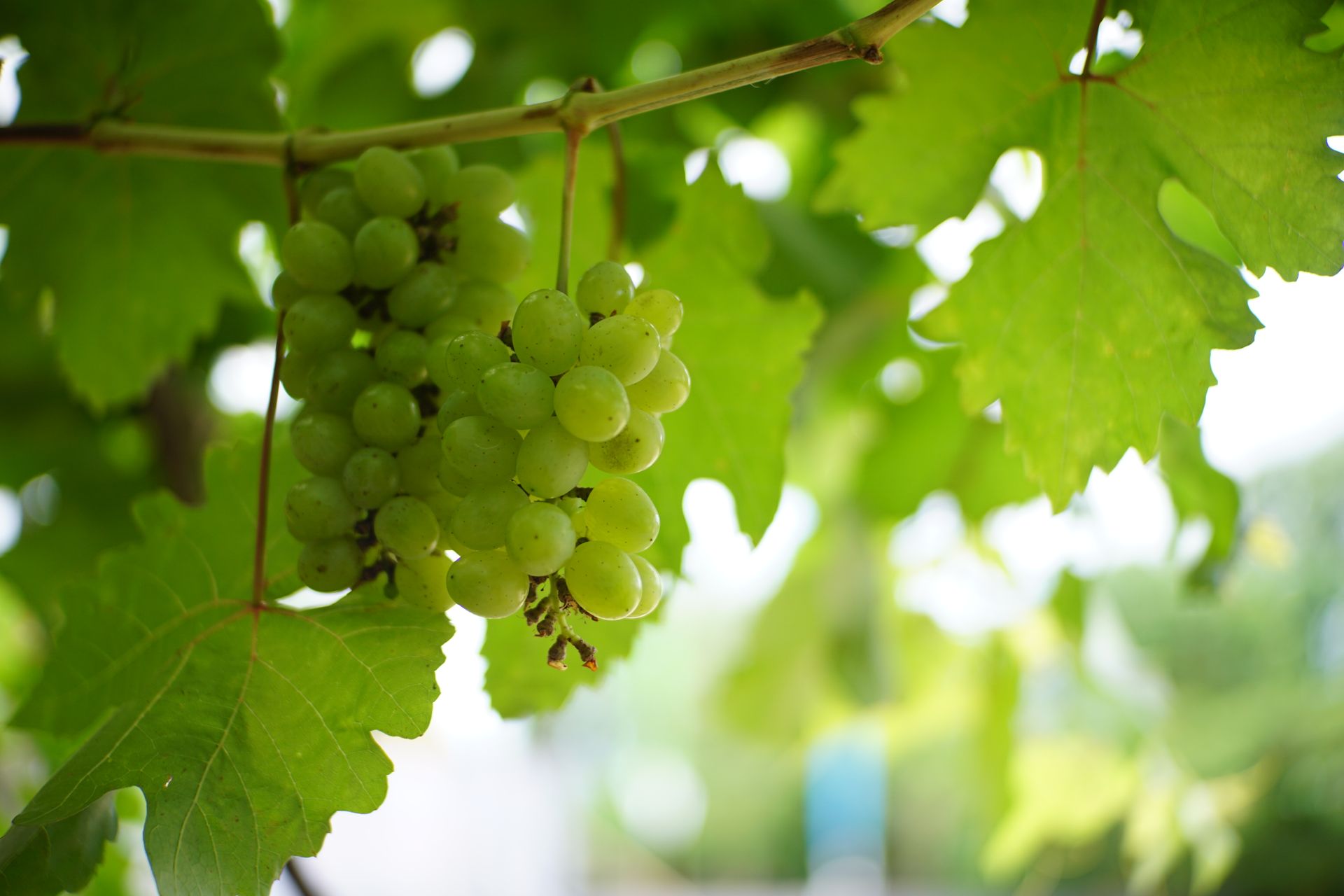
Therefore, wine grapes, and most table grapes, are the same species—vinifera—of the Vitis genus. That is, grapes like Cabernet Sauvignon and Chardonnay, as well as table grapes you can find in your supermarket, like Thompson Seedless or Autumn Royal, are all the same botanical species: Vitis vinifera.
The wine grapevines planted in California and other New World wine regions all come from Europe, particularly France.
How the Phylloxera Problem Started
So, vines were imported by American landowners from France during the 19th century, and in return, French experts traveled back with some American vines to study. This created a double problem. Those American vines that the French brought over carried phylloxera insects with them, and since European vines are not immune to them, once the plague spread, it attacked and damaged most Old World vineyards.
On the other hand, the French vines that were planted in American soils were also not resistant to phylloxera, so they got attacked as well, decimating vineyards in the U.S., Mexico, Brazil, and Argentina. Only Chile was spared, but we’ll get to that one later.
In the U.S., we can pinpoint Buena Vista in Sonoma as the first infected plots. They belonged to Agoston Haraszthy, the “Father of Californian Wine”, as his was one of the first wineries in California.
The world’s wine production was in jeopardy, as the insect feasted on the roots of Vitis vinifera, killing plants and destroying the global wine industry. Quickly, alarmed nations set up joint task forces to find a solution. Fortunately, one came along before the damage was beyond repair.
The Solution
Hundreds of studies to find a cure for phylloxera were published, and several experiments to eradicate the pest were conducted, including pesticides, flooding, and grape breeding; some of those failed and others had moderate success. That was until a joint French and American effort found a better solution.
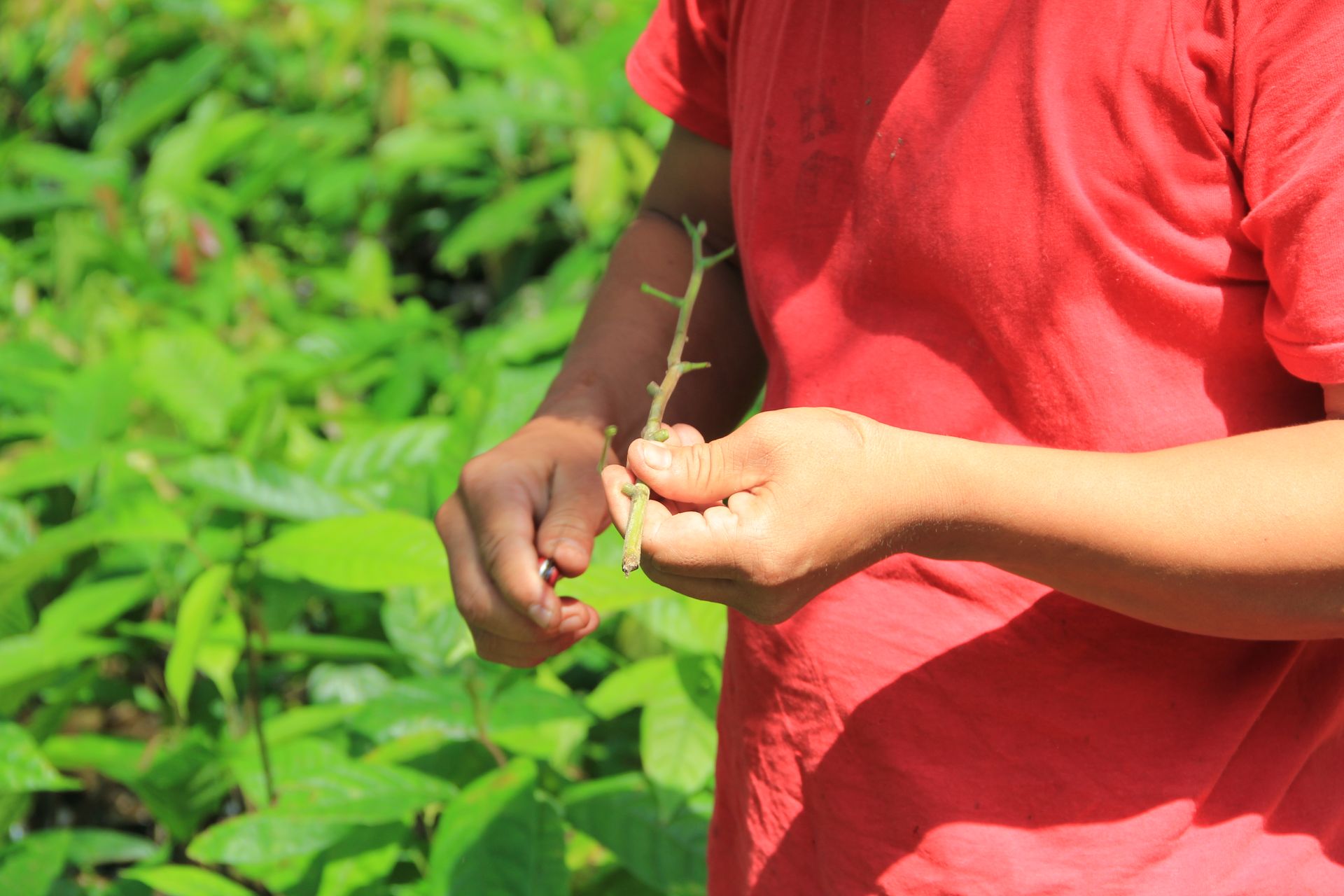
Early on, it wasn’t clear what was causing the blight, and it was Jules-Émile Planchon, a French botanist, who first identified the phylloxera insect as the culprit. His theory was later confirmed by Charles Valentine Riley, a British-born entomologist from the U.S., and they quickly got to work with French growers who had suggested grafting their vines with American rootstocks.
This proved effective. Remember those wild, native grapevines in the United States that were already tolerant to phylloxera? Well, slowly, French viticulturists began importing rootstocks from Wisconsin and Texas.
Of course, not everybody in France was happy with grafting their vines onto American roots. They considered this a betrayal of their culture and disdainfully called those who grafted Americanists. These growers persisted with chemicals and similar alternatives. Famously, Burgundy initially banned the use of American rootstocks in their vineyards. However, desperation—since nothing else was working—and the success experienced in other wine regions, caused them to reconsider, and eventually grafting was allowed, saving your favorite Pinot Noir and Chardonnay from vanishing.
Phylloxera-Free Pockets
Some small pockets worldwide escaped the blight by mere chance. Reportedly, some vineyards in Champagne and Portugal were never affected. Also, in Argentina’s Mendoza, some plots were not affected because of the flooding irrigation methods they had already been using. Not all of the Mendoza wine regions are unaffected, so some are grafted, but you can also find vines that are over 130 years old.
Interestingly, there’s a grape variety, Assyrtiko from the volcanic soils in Greece’s Santorini, that’s resistant to phylloxera. It’s not clear, however, if the plant itself is immune or if it’s the soil that prevents the insect from surviving.
What About Chile?
Chile is interesting because it’s geographically protected. This narrow strip of land is isolated because of the Atacama Desert to the north, the Andes Mountains to the east, and the Pacific Ocean to the west. Phylloxera never could find a way in, so the whole country has been—and remains—free of phylloxera.
Today Chile serves as a museum of what pre-blight vines were like. Geography still protects our vineyards, but it’s not enough. Government regulations are also strict to prevent this pest (and many others) from entering the country, but the danger remains latent.
There’s a twist in Carménère as well. Once, it was a popular grape in Bordeaux, but once phylloxera hit, it proved difficult to graft, so winegrowers eventually abandoned it. It was thought extinct until the 1990s, when it was rediscovered hiding in plain sight among Merlot plants in Chile. Today, Carménère is our flagship wine, but it came too late for France to seriously consider replanting it, which is why they barely use it in their blends.
The Last Drop
There’s still not a cure for phylloxera. Grafting proved effective, but the insect is still around, a ticking time-bomb threatening unaffected vineyards worldwide. This is a real concern in Chile, because vines here remain ungrafted.
Still, we don’t think a lot about this pest anymore. Most of the world found its solution and are happy to forget it was ever a problem. However, we can’t ignore that California was affected a second time in the late 20th century when they began using a hybrid rootstock to improve quality and yield. AxR1 was a cross between an American vine and a European one, which was not resistant to phylloxera. This miscalculation wiped over fifty thousand acres of vineyards in Napa and Sonoma.
The lesson is there. We can’t sleep on Phylloxera, and hopefully a cure will be available eventually to fully combat it. This tiny insect, the Destroyer, is still out there, waiting for an opening.




Leave a Reply