

Stuck with an open bottle? Discover how to extend the life of your leftover wine using smaller containers, cooking with it, or even turning it into DIY red wine vinegar.
I know, “what leftover wine”, right? But hear me out, you have friends over, and you uncork that last bottle, but your friends are ready to go back home instead. Or maybe you felt like only one glass after work. Perhaps it’s something else altogether, but whatever the case might be, you find yourself with a half-full[1] bottle of wine that you don’t know what to do with.
We’ll see how to best store that open bottle, how long can you keep it, and what to do with it, other than drinking it straight-up, I mean. Let’s get started!
How to Store Your Leftover Wine
So, you find yourself in the unfortunate situation of having to store an already opened bottle of wine? Leftover wine is troublesome because, as you probably already know, once uncorked, wine has a short shelf life. So, what do you do with your bottle?
Well, that depends on how much you have left. See, wine’s enemy is oxygen. The more room, and therefore oxygen, inside the bottle, the higher the risk and the quicker your wine will oxidize. So, let’s see the alternatives you have at your disposal.
But first, if you plan to drink the rest of the bottle tomorrow, don’t do anything, just recork it[2]. Your wine will not go bad after one day. You really don’t even need to worry about refrigerating it, although I highly recommend that you do so every time you want to store leftover wine[3].
Now, if you want to keep it longer, read on.

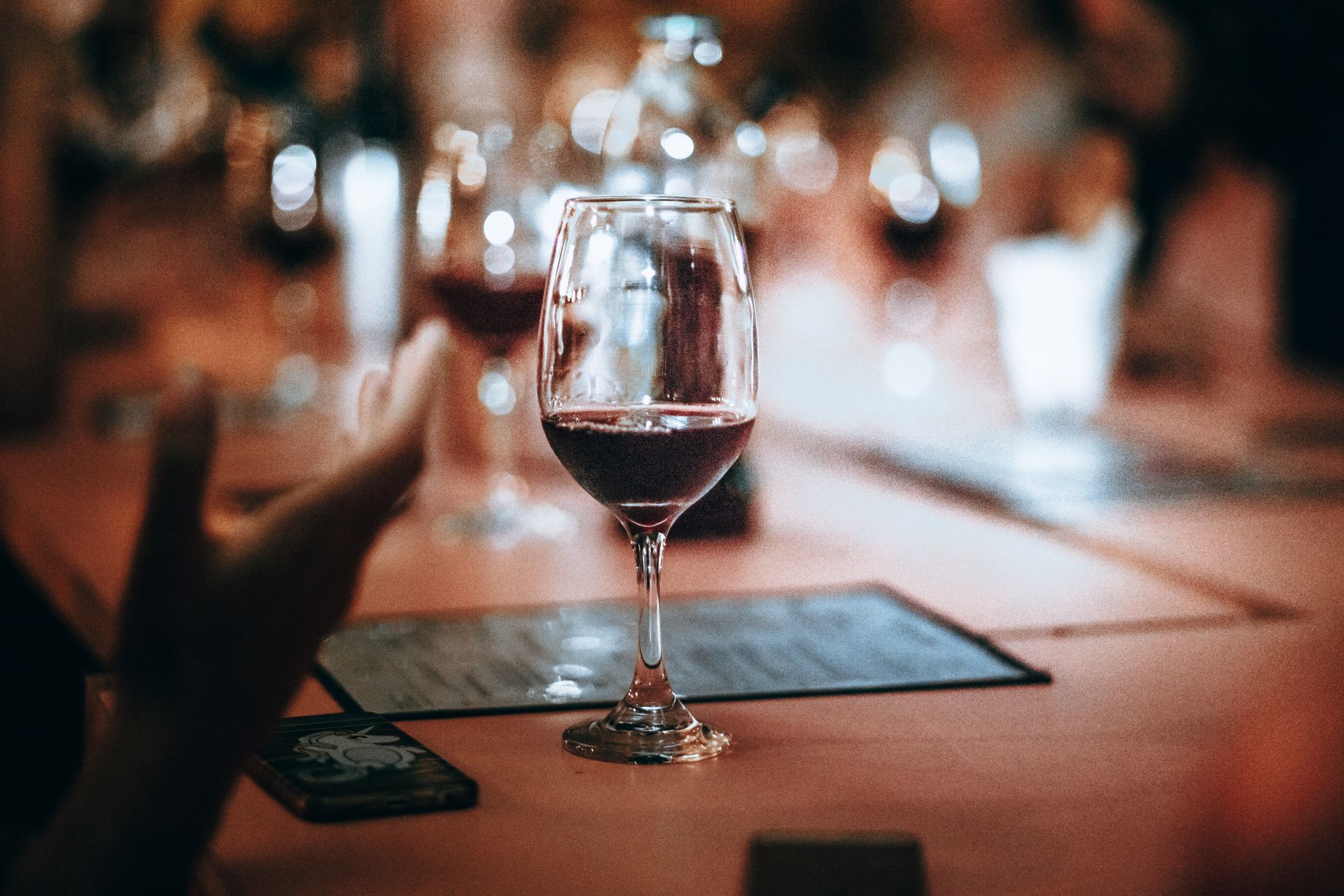
Photo by Andreas Haslinger
How Long Can I Keep Leftover Wine?
It really depends on the style of wine. As a rule-of-thumb, consider:
- Sparkling Wine: It won’t keep unless you have a stopper. Then, 1 to 3 days at the most, depending on how much bubbly is left in the bottle, and how long it’s been open.
- Light White Wines (and Rosé): 3 days and you can maybe push it to 5 days if you keep them refrigerated.
- Full-Bodied Whites (and Orange wines): Since they have higher tannins, you can start at 3 days and maybe they’ll last a full week.
- Light Reds: Your Pinot Noir is best kept no longer than 3 to 4 days. And even though I recommend it, you don’t need to refrigerate your reds.
- Full-Bodied Reds: Tannins will help preserve them, so you can keep them for around a week.
- Fortified and Sweet Wines: Higher alcohol and/or sugar mean that you can keep these wines longer. Two weeks to a month[4] should be fine.
All right! Let’s move on to how to preserve leftover wine!
If You Have More Than Half a Bottle of Leftover Wine
Your best bet is to get yourself a wine pump vacuum system to withdraw the air out of the bottle. You might be familiar with this wine preserver. It consists of rubber stoppers and a manual pump. You place one of the stoppers in the bottle to reseal it and you can start pumping the air out. The less air you must remove from the bottle, the more effective this system is.
This method for preserving leftover wine only creates a partial vacuum, slowing down—but not stopping—the oxidation process. With this system, you can extend the life of your leftover wine for a few days, and up to a week. However, every time you reopen the bottle, you’re introducing oxygen, and therefore reducing the time you have until the wine goes bad.
If You Have Less Than Half a Bottle of Leftover Wine
Like I mentioned above, the vacuum pump is more efficient if the bottle isn’t leaning on the empty side. You can still use it, but it’s difficult to extract all the oxygen already inside. If that’s the case, I suggest that you transfer the wine to smaller containers[5].
Ideally something made of glass. I’d skip plastic if I can help it, because it transfers aromas easily. If you can, get something that you can seal tight. Whatever you choose, make sure it’s clean. You don’t need to label the new vessels unless you have several unfinished wine bottles to store.
A couple of things to keep in mind when transferring wine to smaller vessels. First, make sure you decant the wines first to get rid of all sediment. Also, fill the jars to the brim. Remember, the objective is to limit the amount of oxygen. Lastly, seal the containers tightly.
For this method, refrigeration is key. For proper wine storage, oxygen is not the only enemy, heat and light are also worrisome. Inside the fridge, the vessels are at a somewhat constant temperature and in a dark space most of the time.
What to Do with Leftover Wine If You’re Not Going to Drink It
I guess I have to cover the worst-case scenario, right? Well, you have two alternatives, use the wine in something else, or turn it into vinegar.
Making vinegar at home is not that simple, though. Or rather, it is, but success is not guaranteed. I know, I’ve tried and failed in the past. Here’s the skinny: Transfer the leftover wine to a wide-mouth container and cover it with cheesecloth secured with a rubber band. Place the jar somewhere dark and warm and let it sit. Shake it a couple of times a week and wait. In a month or two you should see a vinegar mother forming. That’s it, wait a little longer and your wine vinegar is ready.
Just to note, you can buy a mother and add it to your wine to simplify the process. Also, high alcohol can prevent the mother from forming[6], so you can dilute the wine a little bit (I’ve heard 3 parts wine to 1 part water is fine).

Photo by Armands Brants
But what if you don’t have enough leftover wine? Or what if you don’t want to turn it into vinegar? Well, you can cook with it. Now, only cook with wine you would drink, so I’m not suggesting that you use already spoiled wine. If it’s still good, read this guide about cooking with wine. I’m a former chef, so I think I can be trusted with the advice I give in that article.
Something else you can do with your leftover wine is use it to make cocktails[7]. Sangría comes to mind. Mix your red wine with berries and plums, and your white wines with peaches and cantaloupes. Another refreshing alternative is tinto (or blanco) de Verano. Literally red of summer (or white). Grab your favorite wine and serve it with ice, soda, and citrus rind. Oh, and if the weather is not great for cold drinks, you can heat the wine up, adding spices and—again—fruit and citrus. Now you’re making glühwein.
The Last Drop
In this article I haven’t mentioned that you can get a couple of glasses out of a bottle without uncorking it. There’s this preservation method that extracts wine through a needle while inserting argon gas into the bottle[8]. So, if you have this gadget and you already know you will only drink one glass, you don’t have to open the bottle. However, this only works with natural cork closures, not with synthetic ones or screwcaps.
Leftover wine is unlikely a common occurrence in your household. Same here. However, when it does happen, I want to be ready with the right knowledge and tools to make sure my remaining wine lasts longer. Did I miss a technique? What do you do with your leftover wine? Let me know in the comments!

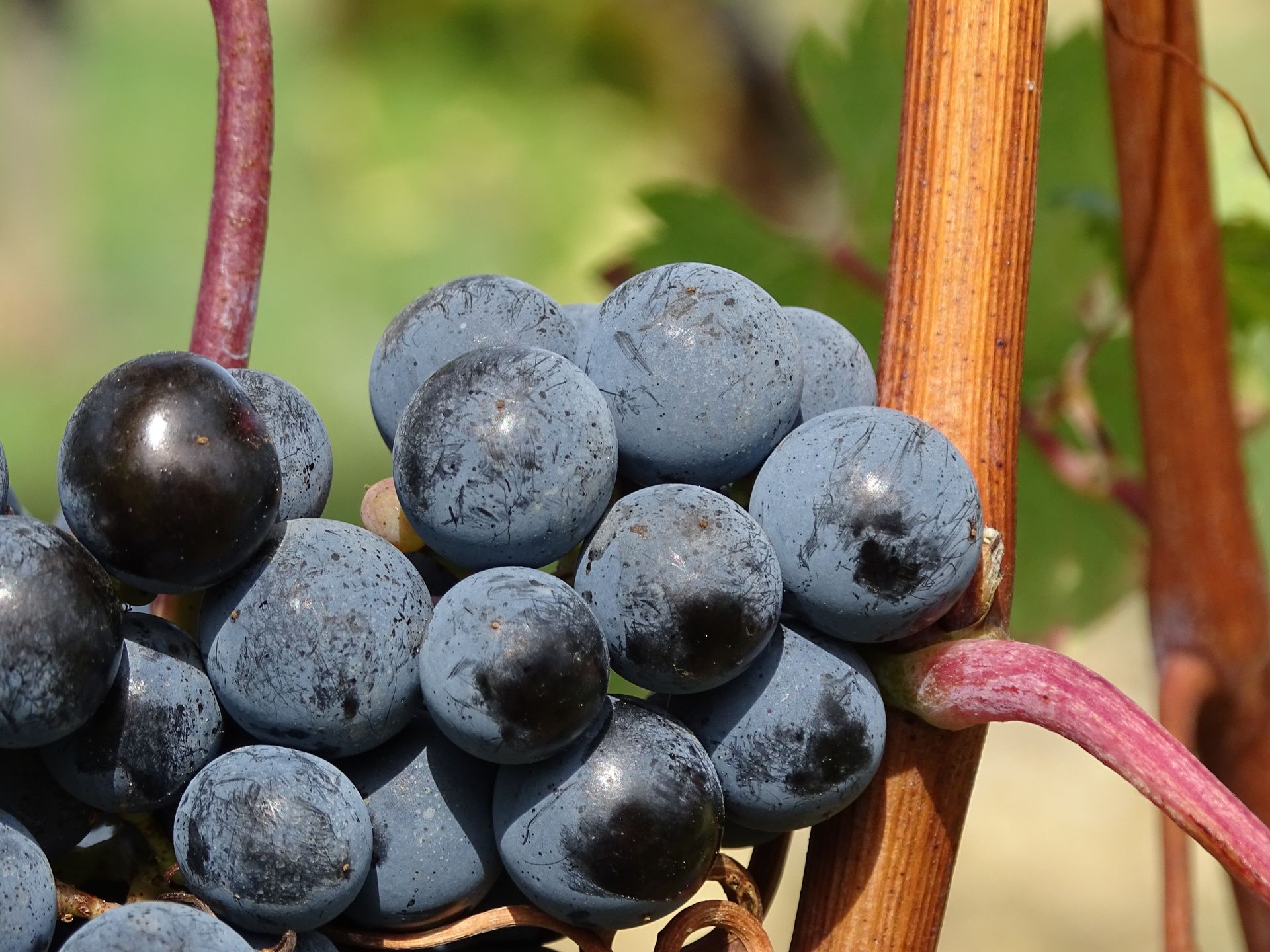
Photo by Jens Nahnke
[1] See, I consider myself an optimist.
[2] Or re-screw the cap if that’s what you’re working with.
[3] Particularly if the temperature inside is too hot or if you’re keeping your wines where they get direct sunlight. I’ve written more about this on my article on how to properly store wine at home.
[4] Some, like Tawny Port, might last even longer!
[5] Mason jars of different capacity work great. Small bottles with screwcaps will also do the trick.
[6] Sulfites can also prevent the mother from forming.
[7] In this article I give you a few ideas, but there are many more, from wine sours to simply mixing red wine and coke. I don’t want to go too deep, though, so I just mention the ones I like.
[8] Argon gas is denser than air, so it keeps the oxygen out of the bottle. In other words, it replaces wine with argon gas instead of oxygen.

Leave a Reply