

Is the wine world too serious? I’m sharing my wine tasting method—a simple, honest approach that prioritizes your personal enjoyment over academic jargon and points.
In past articles I’ve written about my distrust for the traditional points rating system commonly used to define a wine’s quality. I’ve also written about why I feel we can do better with wine descriptors and how I prefer pairing wine with mood instead (or rather on top) of food. What I haven’t done so far, until this very article, is write about how I go about the process. This is my wine tasting method.
The Normal Sized Fine Print
When I say, “my wine tasting method”, I mean it. It’s mine, and it isn’t better (or worse) than yours or anybody else’s. Also, this is the first time I feel the need to add a “for entertainment only” disclaimer.
I value the work of experts and people more knowledgeable than me (and, yes, that’s a large number). Also, it’s a fact that many aromatic compounds in the grapes get released and enhanced through the winemaking process, and that plays a big role in identifying a wine solely by smelling it. So, later, when I say that you shouldn’t worry about identifying aromas in your wine, take that with a grain of salt. Experts can identify them and have fun with the process. Maybe it’ll be the same for you.
I also include how I rate wines and my pairing thoughts inside this “my wine tasting method” concept. And, particularly with food, I also have something else to say. See, I rank pairing wine with food very highly. Flavor harmony is fantastic when done right. However, wine is far more than an accompaniment to food. Wine is a historical monument, a cultural experience, and a great social lubricant. I rate wine highly when consumed with food; just not as highly as I rate when poured with friends, family, profound conversations, and killer music in the background. Yes, food is great with wine. I’m only offering an alternative: mood.
With all of that out of the way, let’s get to it!
My Wine Tasting Method: Do I Taste it Differently?
No. I use my eyes, nose, and mouth, just like you do. But I don’t pay much attention to any of them, especially the aromas. My only concern is if I like it or not (and I generally do).
Do I like the color of some wines because of the color it has or because the style of wine I like has a particular color? As I write these lines, that’s the question in my mind. I enjoy the ruby color of Pinot Noir. Is it because I find that shade of red attractive, or because I’m anticipating a wine that I already know I like? A visual Pavlov’s bell of sorts?
When it comes to aromas, it’s the same. Sure, I look for defects, but how trained am I to find them? Take corked wines, for instance. I’ve tasted more wines than the average individual, but I only recall smelling a cork-tainted wine once. The industry estimates that around 3% of wines are corked. I drank close to 200 bottles last year, most of them using natural cork as closure, and didn’t encounter the problem.
Or did I? In most cases, the tainted aroma is subtle, so maybe it’s just that my nose is not trained enough to perceive the fault. I remember being a green server at a restaurant in the early 2000s. I customer rejected the wine because it was corked. I didn’t smell anything wrong with it, but our captain replaced the bottle immediately. He later told me that the wine was, indeed, tainted. My nose was not good enough back then, maybe (even after 20 years of tasting and smelling) it still isn’t. Or maybe I’ve just been getting lucky.
So, yes, I look for defects, but my wine tasting method is really interested in whether I like the aroma or not. There’s fruit there? Flowers? Vanilla? Cool. But—and this is the only thing that matters—do I like it? Is the wine calling for me to drink it? Now, in organizing tastings I’ve often found that newbies get more involved when we strive to discover aromas. I’m happy to find red fruit, but they want to find the raspberries and cherries in their Merlot. I recognize the appeal.

Photo by Matthieu Joannon
Comparing Wines with My Wine Tasting Method
Hold up. Am I saying that I recommend to only scratch the surface of flavors and aromas?
In short, yes. I mean, go as deep as you want to, but don’t feel intimidated by not finding specific flowers even if your friends at the table do. You don’t need to buy wine aroma kits to practice. That is, you can if you want to, but there’s no need.
How do I go about comparing wines, then? If I drink two Sauvignon Blancs and I stop at “they smell of peaches”, how do I explain how they’re different?
Great question (I love talking to myself)! Even if I can’t explain why they’re different, it’s probably clear that they are. And I can try to clarify it with simpler terms. One might smell like the ocean, but I can just say it smells fresher. The other one might have stronger fruit aromas, but I can just say it smells sweeter (even if it doesn’t, in fact, have more residual sugar). It’s not academic, but it’s also easier to explain.
However, again, what’s important is whether I liked one more than the other. Which bottle am I reaching for when I want seconds? My wine tasting method tries to keep things simple, more accessible, less academic.
How Do Ratings Rank in My Wine Tasting Method?
They don’t. Not really. I mean, I could just say something funny and absurd, like “since points don’t matter, I rate this wine 15 petunias out of 6 guitars.” But I really do respect (most) wine critics and the work they do. The system is flawed, as I wrote in a previous article, but it’s still impressive how these professionals rate wines distinguishing between a 93 and a 94-point Syrah. I know I wouldn’t be able to make that distinction myself.
Stop me if you’ve heard this before: I only concentrate on whether I like the wine or not. After that, I decide if I liked one over the other. Not by how much, only if.
If you see a wine spotlight on my socials, numeric ratings will be absent. If you’re lucky, also absent will be absurd ratings, like “this wine gets two mustards out of a spreadsheet”. You will, however, be clear on what I liked about the wine, how would I pair it (with food and mood), and if I recommend it or not.
That’s the beauty of my wine tasting method.
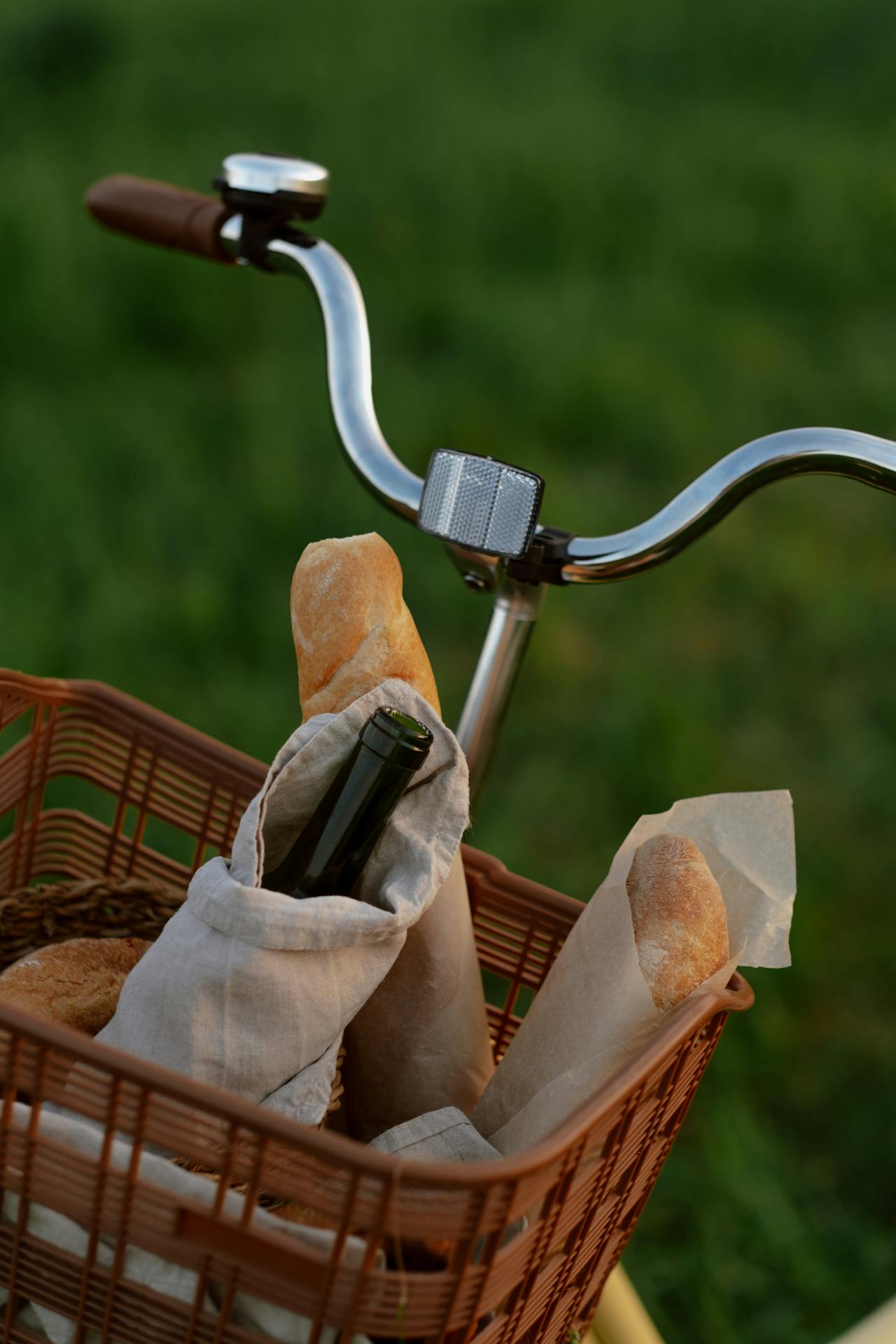
Photo by Ron Lach
The Last Drop
This is only the second article I’ve written, the first being my “wines for the holidays” recommendations, where I didn’t include footnotes. Additionally, this is the first one where I had to add a disclaimer. I understand that my wine tasting method is not everybody’s cup of tea. Also, I was looking forward to writing something where I can just have a lot of fun with the subject.
Wine, in my opinion, has become too serious, too elitist maybe. The industry is struggling, and many of us (yes, us “wine communicators”) are making it harder to understand with our language and attitudes. No joke, I know someone who claims to bring their own wine glasses to restaurants, ‘cause God forbid they have to use subpar glasses, right? How does that help anyone? How does that democratize wine?
I use this space to inform, but I must remember, in every post I write, that I’m doing this because I enjoy wine and have fun when I drink it with friends, when I travel, when I eat. I hope more people would get to experience wine the way I do. Whether you use my wine tasting method or not.
Cover Image: My wine tasting method might not even require you to take notes. Photo by Pavel Danilyuk.

Leave a Reply