

Curious about Carménère? Uncover its fascinating history, savor its distinct flavors, and get expert tips on picking the perfect bottle.
“The best kind of wine is that which is more pleasant to him who drinks it”
– Pliny the Elder
Ah, yes. We now get to talk about Carménère, weird accents and all. If you know about Chilean wine, you were probably expecting this article to drop. I am, of course, being optimistic about people actually reading my wine ramblings. In any case, here it is, the Carménère episode: the one in which I talk about the iconic wine of Chile.
But First, a Little History
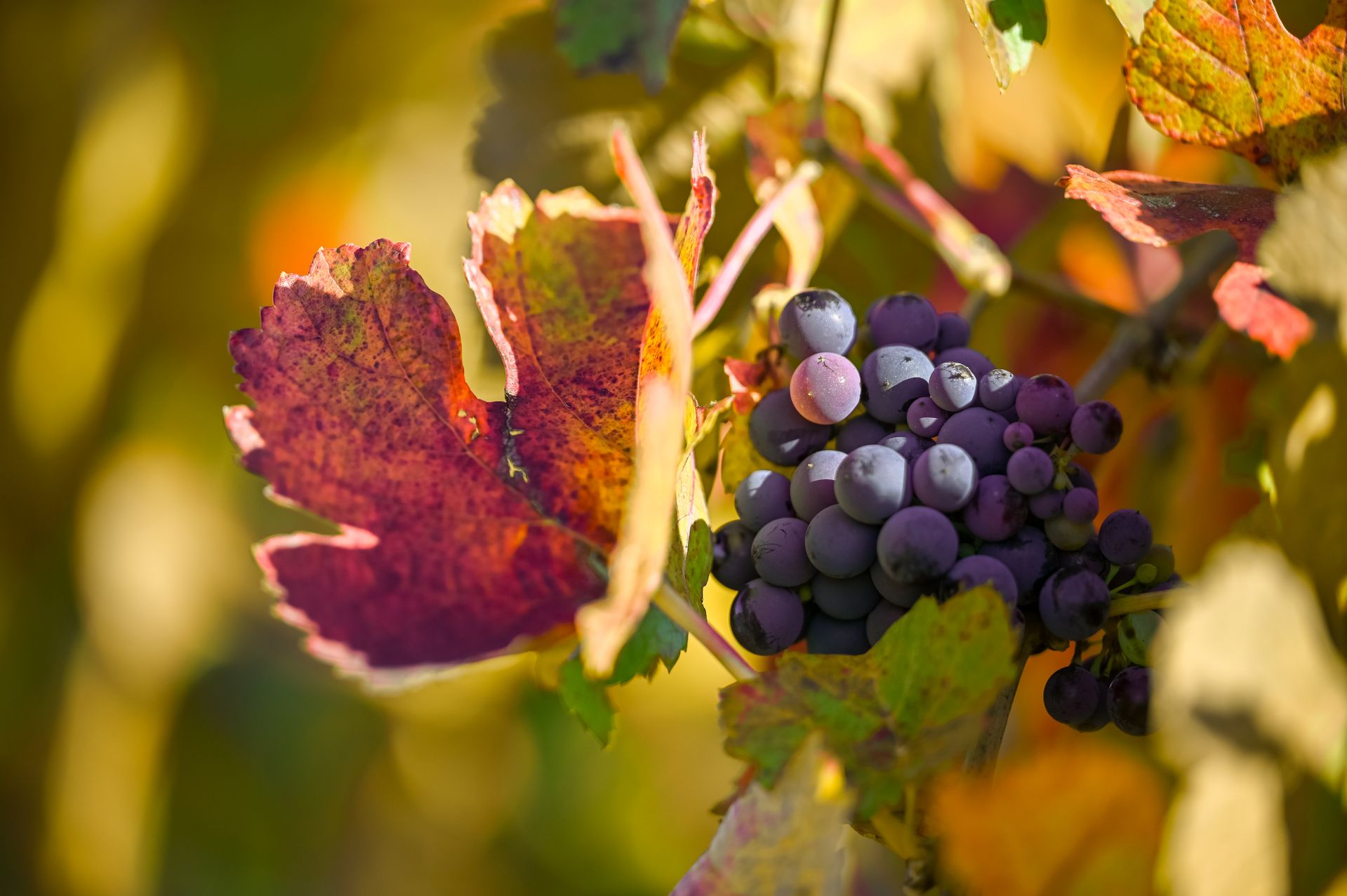
Carménère is a Bordeaux grape, which got its name from the color carmin, a closer-to-red crimson. The color might come from the color of the leaves when they turn during the autumn months. Or —less likely— from the color of the wine itself.
The grape might have been planted in France first by the Romans, maybe under the name Biturica[i]. Wine was an important part of Roman culture, and the influence continued after the collapse of the empire and endured throughout the Middle Ages. Wine is, after all, indispensable in catholic rituals. Bordeaux, with its advantageous weather and soils, grew in importance during those centuries, consolidating itself as a prime wine producing area.
To standardize quality, Bordeaux allowed only six grapes to be used in their red wine production, one of them being Carménère. After the phylloxera blight of the 19th century decimated vineyards in France, it was believed that the varietal was lost. Let me know in the comments if you’re familiar with this story. If not, or if you just want to keep reading about this grape, I’ve written a more in-depth article with the story. Check it out here. I think you’ll like it.
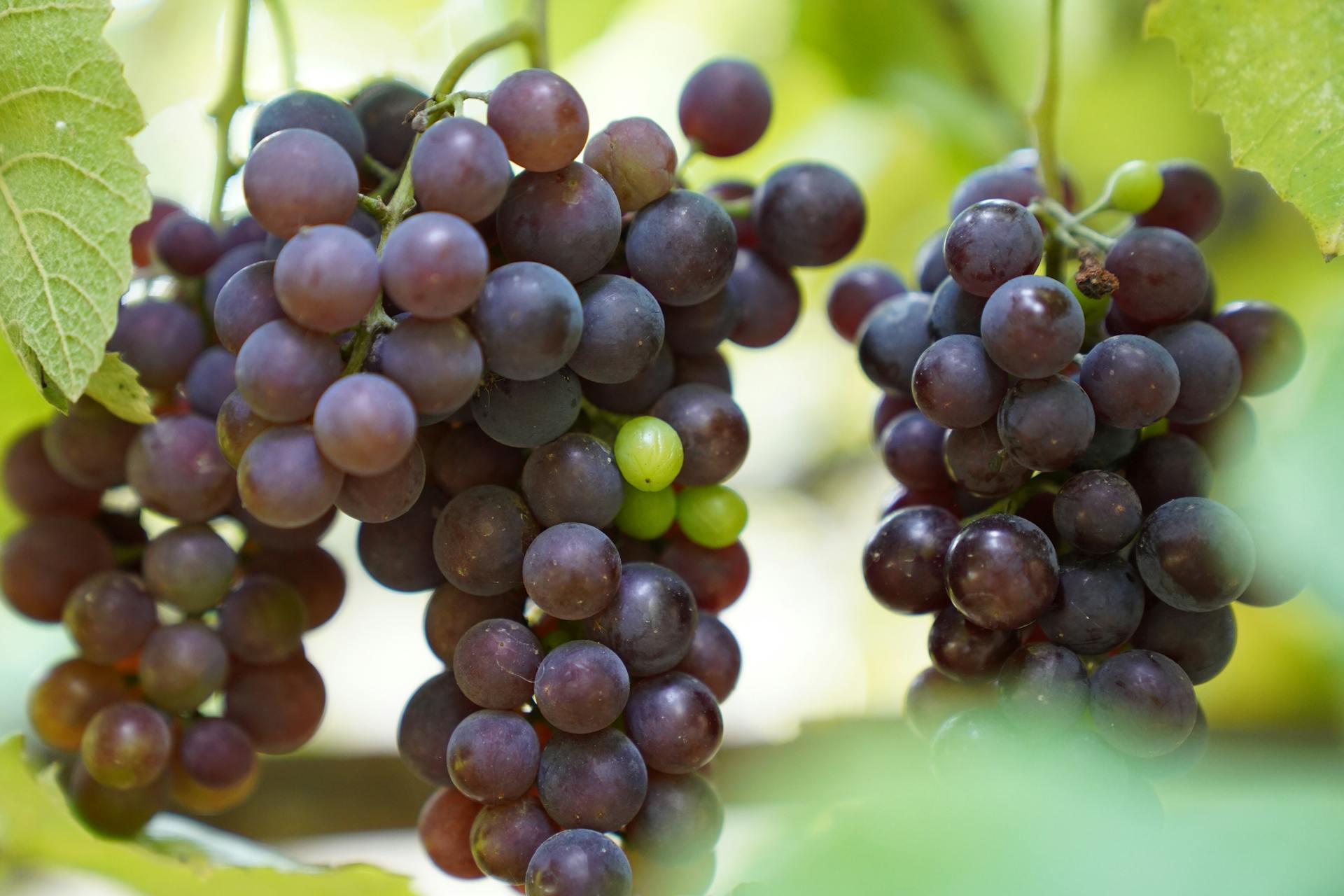
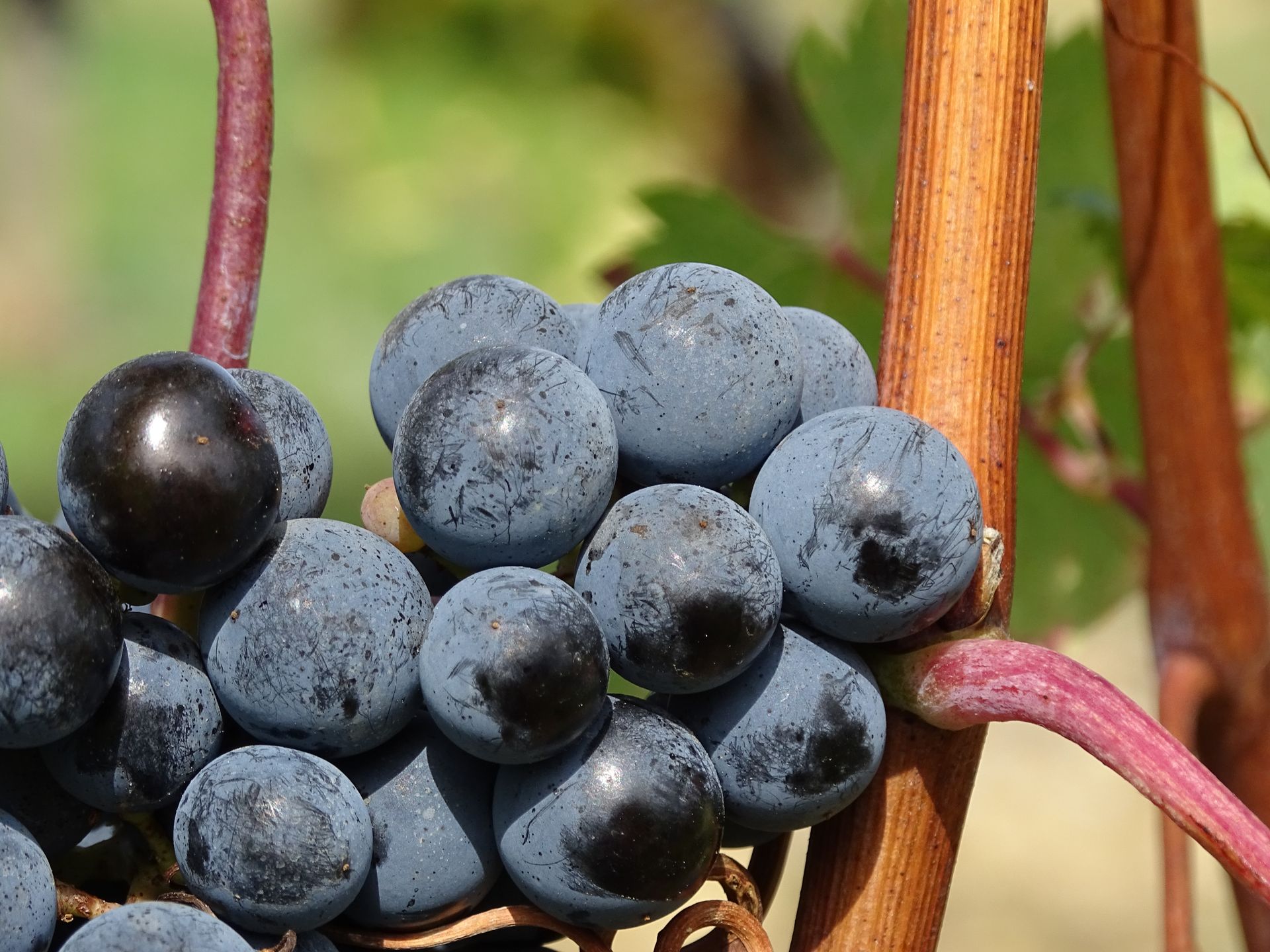
Photo by Tahir Xelfe
What You Need to Know to Choose Your Carménère Wisely
But that’s too much blah blah and too little gulp gulp. I get it. You made it all the way here (thank you!) and you still don’t know what you should be looking for if you want to try Carménère. I’ve got you.
First thing you should know is that Chilean Carménère’s quality correlates quite nicely with its price. If you are willing to spend a little more, you will find better wines. Now, I hesitate to talk about prices because I don’t know when you will be reading this. For all I know, 10 U.S. Dollars will get you a pack of gum when you come across this article. But I will do my best to put this in some context.
A lot of wine from Chile is exported in bulk[ii], cheaper to transport and without the extra weight of the bottles. As you can imagine this wine, bottled and labeled at destination, is inexpensive. In 2025, this is the wine you can probably find at less than, or around, 10 USD in your local supermarket.
The next level up, wine that you can buy for 20 bucks, is to me, the real value of this red wine varietal. Even better if your budget allows to go to around 30 dollars. You can certainly find more expensive Carménères in the market, some over 50 smackaroons. If that’s not a lot of money for you, you’re welcome to try them, but I still think a good starting point is something cheaper. I’d say the sweet spot is in the 15 to 25 dollars price range.
Decoding the Label
You now know how much to spend, but you’re still looking at a bunch of bottles in a shelf with no idea what to get. Same, my friend. Same. There are just too many wineries and offerings and it’s very hard to keep track. Also, a lot of cellars have specific brands for export only. What I can do, however, is help you read the label.
Let’s start with the basics. How much Carménère is in your Carménère? If it has the varietal in the label, you will probably find that the wine has at least 85% of the grape in it. According to Chilean regulations, 75% would be ok, but if you are buying a bottle outside of Chile, it is likely made to meet European Union standards, which demand at least 85% to be able to be labeled as a specific wine variety. I’ve gone into far more detail in this article, if you want to give it a read.
Next, you’ll want to look for the name of a wine region. Most of Chile’s wine is produced in the large growing region called, broadly, the Central Valley. It has four subregions, but for Carménère we want to concentrate in two of them: Maipo and Rapel valleys. You will find the name “Maipo” in labels, but it’s less likely that you will see Rapel. Labels will, instead, use the subregions Cachapoal and Colchagua. Carménère grows in other valleys, of course, but the majority is cultivated in these three.
Finally, you want to look for the vintage. Most Chilean wine is made to be drank young, and it varies very little from year to year, so vintage is not as important as in France[iii], for instance. The weather in Chile is very predictable, changing comparatively little from year to year. Also, winemaking techniques by most large wineries are more standardized and less experimental, so quality is similar year in and year out.
The only thing to keep in mind with Carménère vintages is that if they are too young, they will be woodier, alcoholic, and fruit forward. And if they are too old, they might be past their prime. Chilean wines can age, but not all of them for too long. A last note on vintages. Remember that in the southern hemisphere, harvest season for grapes is in March, so half of the growing season for the fruit actually happens the previous year.
Right, so now you have picked a bottle and are getting ready to open it. What should you expect?
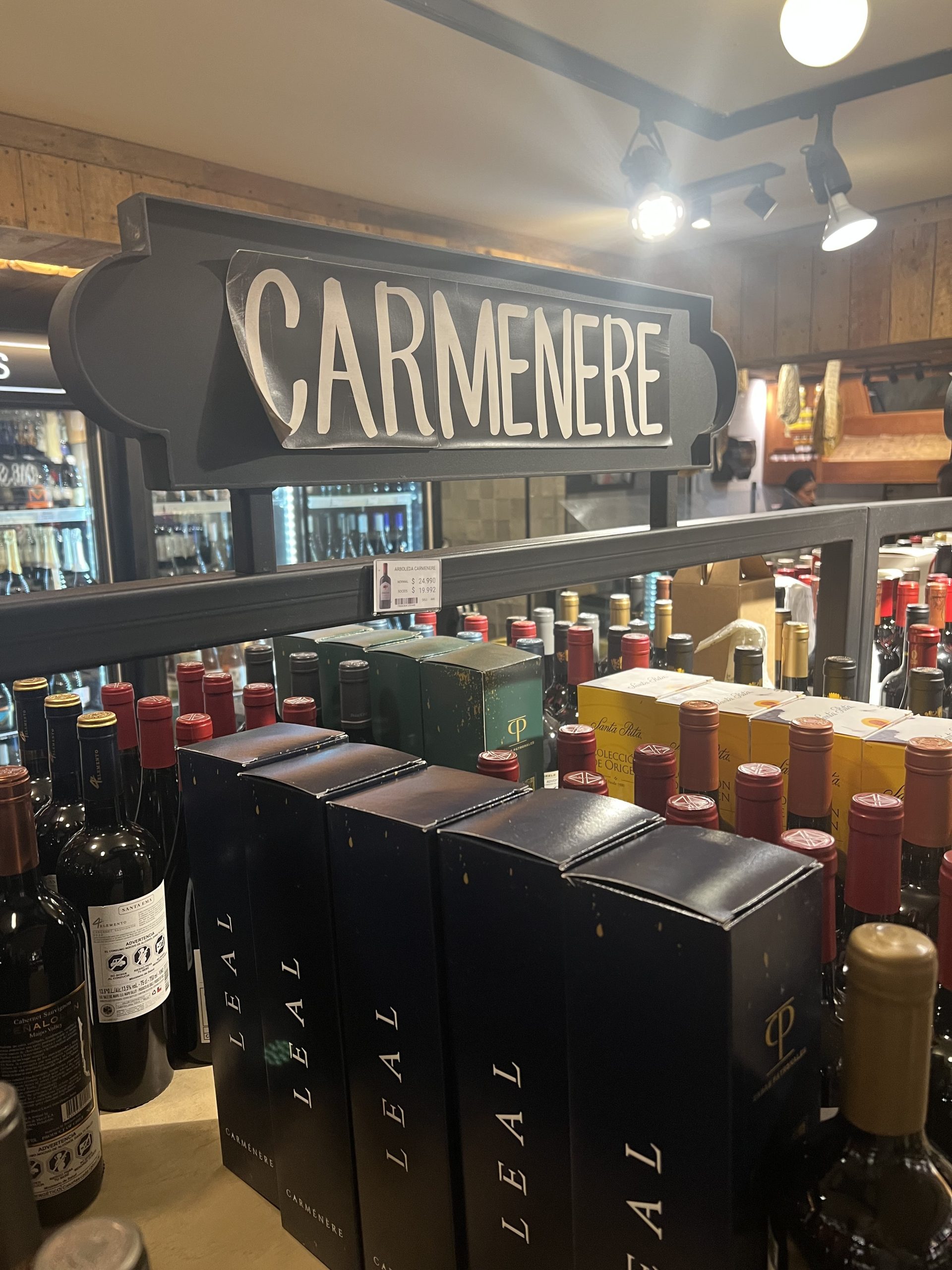
Photo by me
Carménère Becomes the Flagship Wine of Chile…
With ideal growing conditions, and expert winemaking, Carménère is a tasty expressive red wine great for pairing with grilled food and aged cheeses. I’m not big on conventional wine descriptors and have and you can read all about that here. So, now I will try to give you a general overview on what to expect if you uncork any given bottle:
- It’s fruit forward, especially red berries and plums.
- If it grows in colder temperatures, it will have a nice tartness that should remind you of raspberries.
- Some winemakers will choose to pick the grapes a little early, and that will give your Carménère interesting green bell pepper bouquets, sometimes even jalapeño.
- Because it’s aged in oak, you will get elegant leather and smoke aromas. Maybe even a little cocoa.
Chile, as it turns out, provides the ideal growing conditions for Carménère, and the country has taken full advantage of it. Medium-bodied, fruit-forward red wines are popular worldwide. The tale of its disappearance and eventual rebirth is fascinating. Chile is essentially the only country producing it, and it’s a great value-for-money wine.These are all competitive advantages for Chile, making the shift to accommodate this newfound market a no-brainer.
There’s no doubt that Chile is fully capable of producing high quality wines, but given the amount of it exported in bulk, it’s no wonder most people think Chilean wines give them more bang for their buck. That’s an identity Chile is happy to maintain, and Carménère is a perfect fit for that role. You can find it for very reasonable prices[iv] wherever you buy your wines. Have you seen Carménère in your region? What’s the average price of it and how does in compare to other wines? Let me know in the comments below!
The Last Drop
Carménère is a fine wine. It’s fine. Very nice. Easy to drink. Has a lot of charm. I just don’t think it’s the best varietal grown in Chile. Sorry.
I think Chile could easily compete with New Zealand for the best Sauvignon Blanc in the New World. They all have nice salinity and some interesting fruit and sometimes herbal aromas. They are light and refreshing and ideal for seafood and summer evenings with friends.
White wine not really your thing? I get it. But then Chile also makes a marvelous Cabernet Sauvignon. This grape grows well in all the Central Valley zone, sharing a lot of growing fields with Carménère in Colchagua, Cachapoal and Maipo, the Bordeaux of Chile. A bold yet smooth wine perfect for pairing with meats and long sobremesas[v].
Look, I know you’re reading this thinking I’m nuts. Carménère is probably your favorite red wine variety (is it? Let me know what you like about it!), and you’re offended and maybe even a little hurt that I’m here recommending other varietals. But I’m not the only one who thinks other grapes grow better in Chile. In fact, Chile seems to agree. About three times as much Cabernet Sauvignon is planted than Carménère. 3% more land is also destined to Sauvignon Blanc that Carménère. Sauvignon Blanc’s land share growing a little in the past few years, while Carménère has lost some.
In truth, I enjoy a glass of Carménère. They are smooth and easy to drink. Winemaking quality has progressively increased over the years. It’s fantastic to pair with rustic food and dishes with pork and grilled meats. Like I said, they are fine. But they don’t blow me away. Wine, of course, is subjective, and this is only my opinion, but in general I like the story better than I like the wine. Not that I wouldn’t gladly open up a bottle with my friends listening to some 80s music and eating nice hams from Spain and cheeses from Italy.
What do you think of Carménère? Have you tried it? Do you want to? Did you know the story behind it? Let’s talk about it in the comments. I would love to know your thoughts. You probably disagree with me regarding its quality, and I’m open to be convinced! Let me know which Carménère is your favorite!
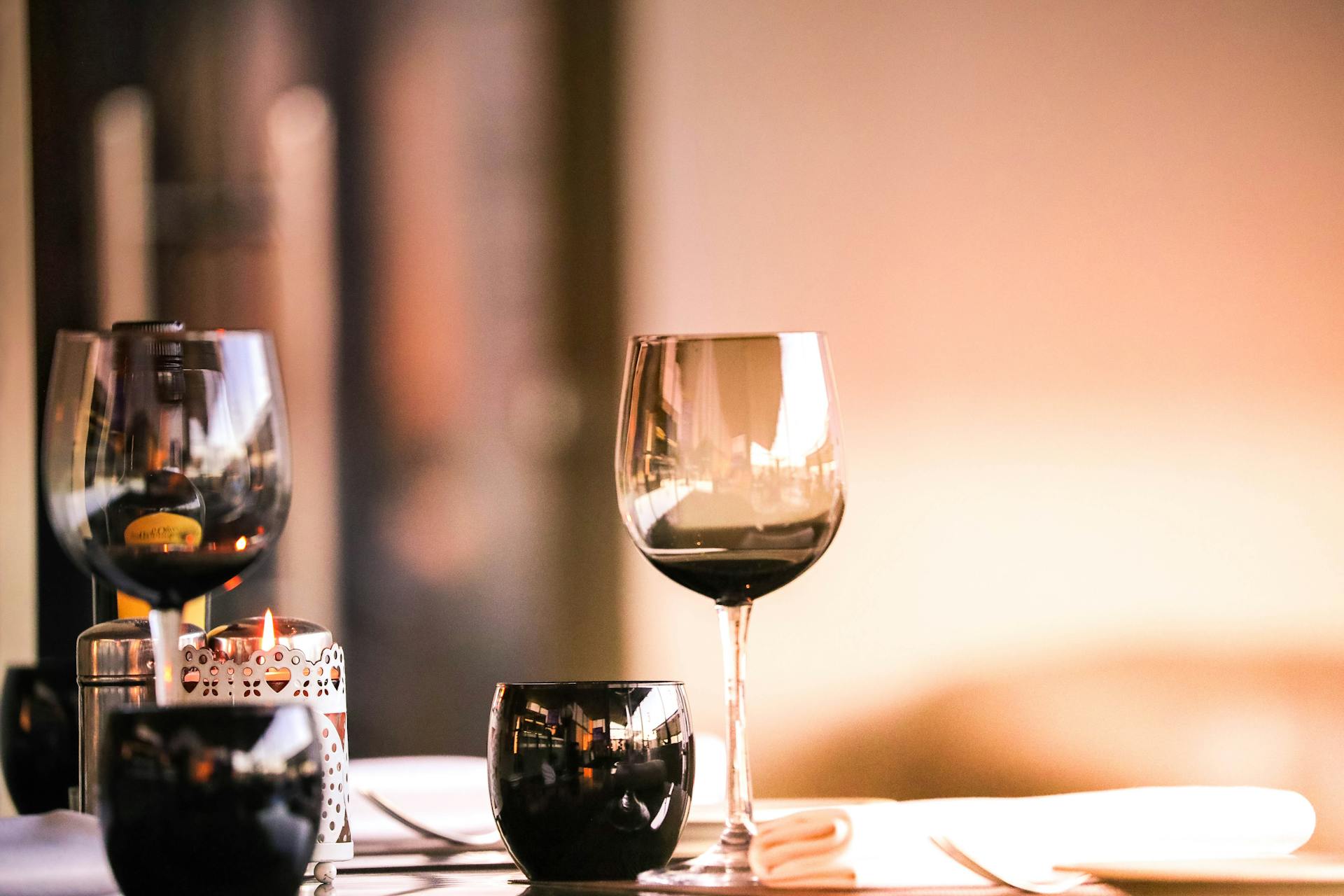
Photo by Zak Chapman
[i] Then again, maybe not. As you can imagine, it’s not easy to come across credible records. On one hand, The Wine Cellar Insider makes a good case for Biturica being the Roman name for Carménère. On the other hand, Wein Plus tells us that Biturica is an ancestor of Cabernet Franc. So, who knows.
[ii] Around 40% of wine exported from Chile is in bulk. You can read a report here. Sorry, it’s in Spanish, but there is a lot of additional info you might find interesting
[iii] I will not go deep on this subject here. But for a little more information, Wine Folly to the rescue. Follow this link for a brief and easy to understand article by Stacy Slinkard on vintages, when they matter, and when they don’t.
[iv] I’d like to think it could be 20 years from today when you’re finding this article (hopefully it’s helpful. Or at least entertaining), but I don’t really know when you will read this, so it doesn’t feel right to include current prices. But to give you an idea, I checked two large online retailers late in 2024. In both, over 85% of the Chilean Carménère options were under 30 U.S. Dollars.
[v] Sobremesa is a beautiful Spanish word, which unfortunately has no direct translation to English. It’s the joyful time after a meal spent, while still sitting at the table, talking and relaxing with friends and family. Oftentimes with some coffee. Oftentimes with a drink.
Cover image: Two Carménère bottles from my collection.

Leave a Reply