

Why is expensive wine so pricey? Learn the genuine reasons, as well as the debatable branding ones, behind high price tags, to see if the value is worth the cost.
Let’s get this one out of the way first: expensive wine is not immediately better. It can be very good but it isn’t always better. Furthermore, you might be able to find better value in more budget-friendly wines. However, there are valid reason why wine is expensive.
I want to explore this subject thoroughly, so let’s get into it. First:
Why Is Wine Expensive?
There are plenty of reasonable and legitimate reasons to explain wine’s price tags. For instance, let’s consider where vines are grown. Some of that land is premium. A landowner in, say, California could develop their property into a shopping mall or plot it for condominiums instead of using it to make wine[i]. The starting capital to get a Climat[ii] in Burgundy would amount to a small fortune. Investors would be forced to charge more for their product if they’re looking for a timely return on investment.
In some countries, labor is expensive, and that also increases the overall cost of winemaking. As you can imagine, paying workers in first world wine producing countries is more expensive than doing so in third world countries. Overhead costs in Germany are higher than those in Italy, which in turn are higher than in Chile. In other words, a Pinot Noir from Germany might cost more to produce than one from Italy, which might cost more to produce than in Chile[iii].
But those are the costs that winemakers can’t control. What about the ones they can?

Photo by Zachary Delorenzo
Winemakers’ Decisions That Make Wine Expensive
During each step in the winemaking process, the choices made by the vintners will not only affect the quality of the wine[iv], but also the cost of making it:
- Overall Vineyard Practices: I’m talking organic, biodynamic, vegan, or something else entirely, like ISO or other quality and safety certifications. Just doing the work is expensive, whether because the practices are time-consuming or because training is required. Additionally, obtaining the certifications has a cost[v].
- Grape Selection: Some wineries only produce their top-of-the-line wines when their vines produce exceptional quality grapes. If they are not, the wine isn’t produced. Wines are still made from those grapes, but they are released with a different, less expensive, label.
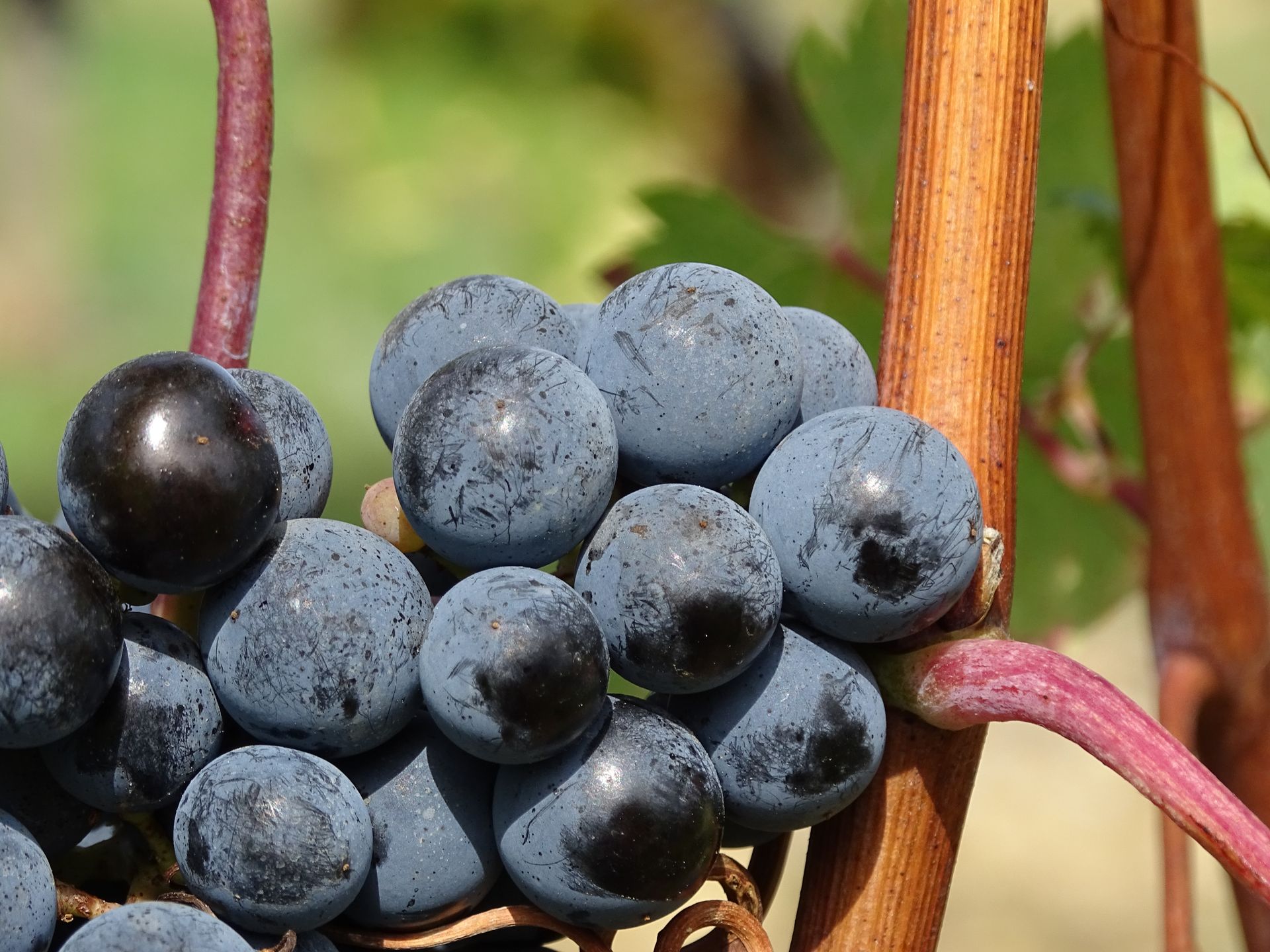
- Picking Grapes by Hand: Every harvest, hands must be brought in to help, and the ones needed for hand-picking the berries are much higher. Like I mentioned above, labor is expensive, and the process takes time when done by hand.
- Controlling Yield: Through pruning and fruit thinning[vi], wineries control how many clusters they will have in each vine. Lower yields mean that more energy—and therefore flavor—will reach the remaining fruit. Higher quality grapes, then, mean that there’s less of them, and less grapes equals less wine.
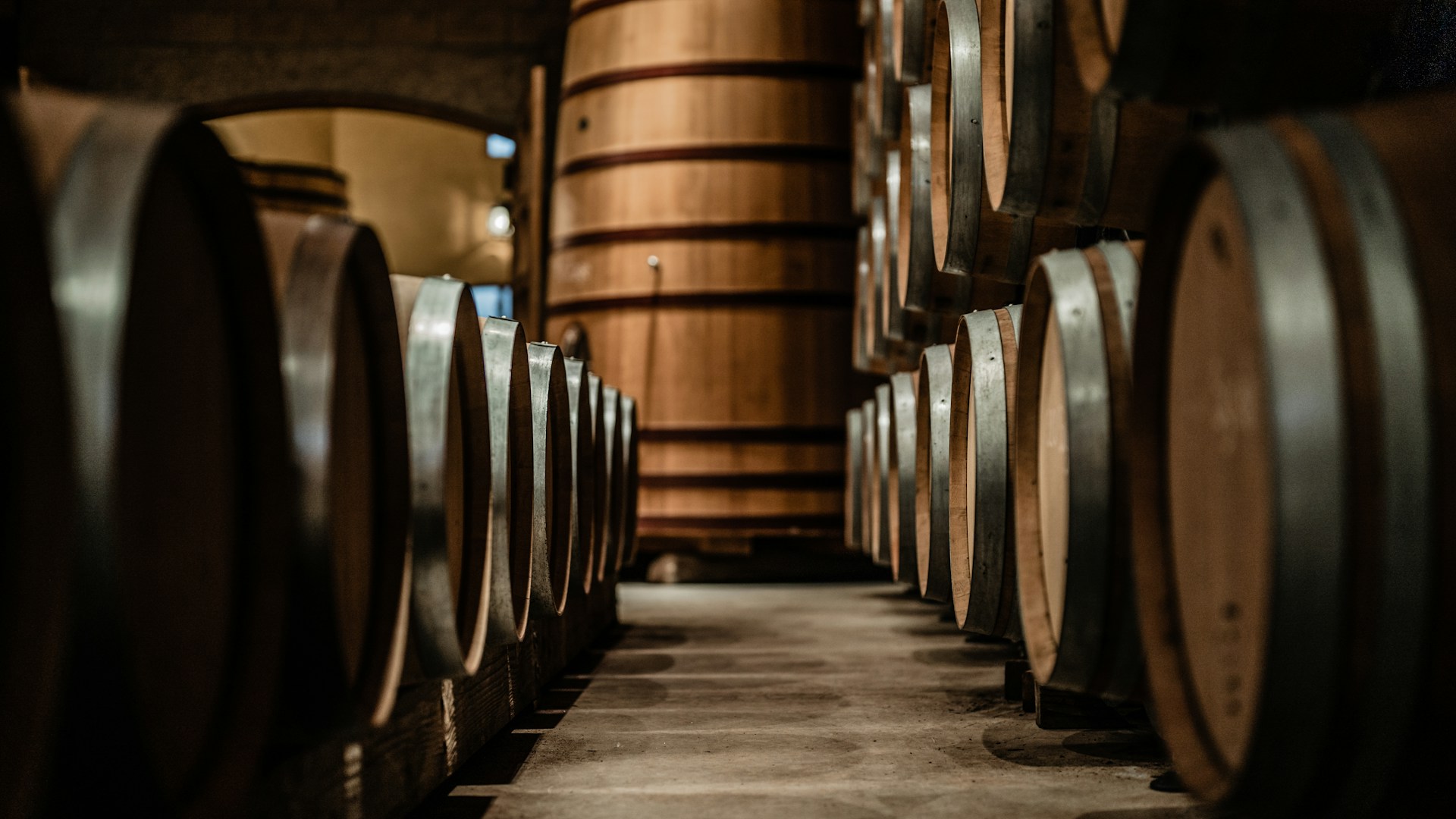
- Batch Aging: Straight out of the fermentation tanks, wine can be bottled immediately, or it can sit for an extended period to age. The common aging vessels are barrels made from oak, but wine might also sit in clay jars, or concrete or stainless-steel tanks. Not only do those vessels cost money, but they also require the space to store them and time to do so.
- Bottle Aging: After aging in barrels, some wineries choose to keep the bottles, sometimes for a couple of years. There are those storage costs again, making wine expensive.
Those are all good reasons to warrant expensive wine. But there are others that are… well, boloney.
Marketing and Branding Make Wine Expensive
Not all of it is boloney, but some of it sure is. Brand recognition plays a big role on how expensive wine can be. If you see branded bottles of Champagne in music videos, you know they’re going to be expensive.
If a specific wine begins to sell better, because of dynamic pricing[vii], it’s likely that the winery, or the distributor, will charge more for the bottle. Something similar happens when a critic rates a wine highly. If that drives demand, prices are likely to increase. Some wineries are not too big and/or don’t have a lot of fertile land, so they can’t produce much wine. Charging more for it is a no-brainer if the wine is popular[viii].
Lastly, let’s consider bottling costs. Have you ever held a thick bottle and thought, “Man, this is heavy!”? Heavy bottles are purely a marketing decision. A heavy bottle doesn’t make the wine better, but it makes the wine expensive. Glass is not cheap, and shipping companies charge by weight[ix]. Some bottles are also more expensive to make. Maybe they have non-standard shapes, or they’re handcrafted.
Furthermore, even if this won’t move the needle too much, natural cork is the most expensive closure alternative. Also, let’s consider that imported wine has a higher price tag because logistics have cost. Not to mention importation taxes and tariffs. Oll of those get added to the final price of the bottle.

Photo by Michal Jarmoluk
Is There Value in Expensive Wine?
We’ve explored why some wines can be more expensive than others. But is that fair? Yeah, land is expensive in some wine regions. What does the regular consumer have to do with it?
Moreover, even if we agree that the reasons for a particular wine’s price are justified, is that price worth it? You can have a Pinot Noir priced at a couple thousand dollars. I would think that wine is better than a Pinot Noir with a price tag of a couple hundred dollars. But is it ten times better? Is it a hundred times better than a 25 dollar Pinot Noir?
I really can’t answer those questions. I mean, if you can afford to buy an expensive wine bottle, there’s no doubt you will enjoy it. I’m just not sure if you will enjoy it five times more than a wine that’s five times cheaper. Only you can judge that.
The Last Drop
I really do believe that most expensive wine is objectively better than cheap wine. It’s when you compare it to mid-range wines that I have doubts. I understand overhead costs in the U.S. are cheaper than in Chile, but comparing the products, it’s hard to defend the price of some Napa Cabernet Sauvignons. Especially in that mid-range. The ones in California can cost as much as some top-of-the-line Cabs from Maipo. The price differential is just hard to understand.
Phenomenal wines are made in lesser-known regions, and there’s great value in those. Spain in Portugal have led the charge for quite some time now, but countries like Georgia, Croatia, and Lebanon are starting to make waves. It’s unlikely that you will find a Georgian wine priced at a thousand bucks. It’ll still be fantastic, though!
I personally don’t think expensive wine is worth it. And I mean expensive wine. The kind that goes for the price of a good computer. If anything, for that money, I would rather acquire several bottles.
But that’s me. How do you feel about expensive wine? If you can—or could—afford it, is it worth it to you?
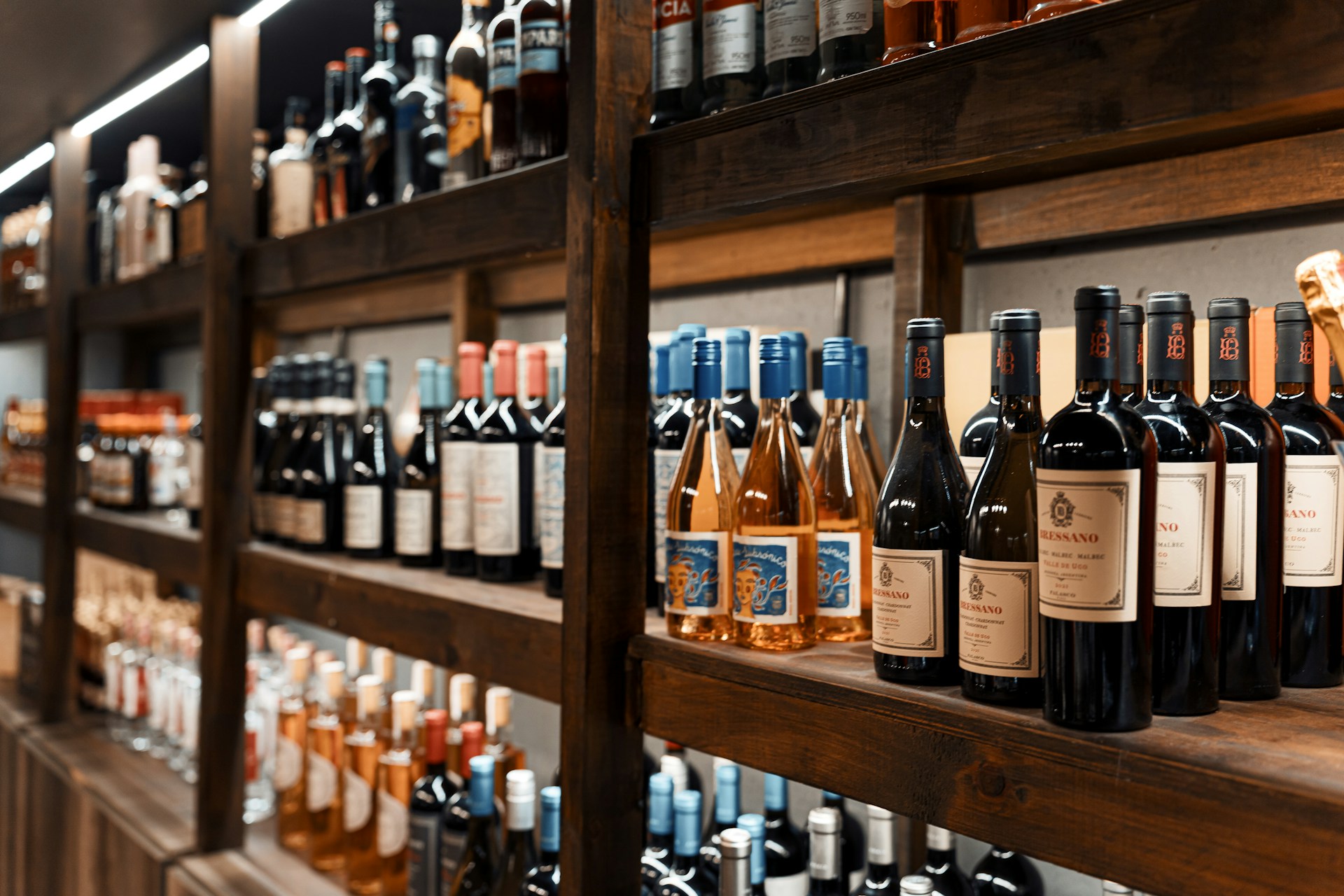
Photo by Rafael Hoyos Weht
[i] I’m not suggesting that wineries might want to drop their businesses in favor of building condos or supermarkets. I’m just trying to explain why land is more expensive in some places.
[ii] Climats are plots of land—sometimes very small—in Burgundy with unique terroir: soil and microclimate.
[iii] Might being the key word here. Overhead costs might vary depending on the amount of employees under contract and other factors, like the cost of land.
[iv] You can already see here the relationship between cost and quality.
[v] And it’s often not cheap, particularly “Organic” certifications.
[vi] The vineyard practice of removing clusters to control yield, improve quality, and even allowing more light and air into the plant, to help increase disease resistance.
[vii] Which is based on supply and demand: with high demand or low supply, prices tend to go up.
[viii] And even if the wine isn’t popular. Wineries need to cover their costs.
[ix] Which is why bulk wine is popular. It’s shipped without the weight of glass.
Cover Image: Is expensive wine better? Photo by Cottonbro Studio.

Leave a Reply