

From crushing to aging, learn the secrets behind the winemaking process. A simple look at how winemakers craft red, white, orange, and sparkling bottles.
Have you ever wondered how wine is made? I mean, you pick a bottle, uncork it, pour yourself a glass, and enjoy it with your friends. And that might be all you want to know about wine. However, you might be curious about how some grapes became the delicious hooch you’re drinking.
Well, let’s talk about it! I’ll begin with grapes already harvested and keep it somewhat simple: just the basics to help you understand the steps needed for them to become wine, and some key differences based on the style of wine. Not only between whites and reds, but I’ll briefly cover sparkling, fortified, and even sweet wines.
Still Wines Winemaking Process
Wines are still, sparkling, or fortified[i], and they all start as the first one. But still wines come in all ranges of colors, don’t they? What gives? Well, let’s go over the process, and how it varies for different wine styles[ii].
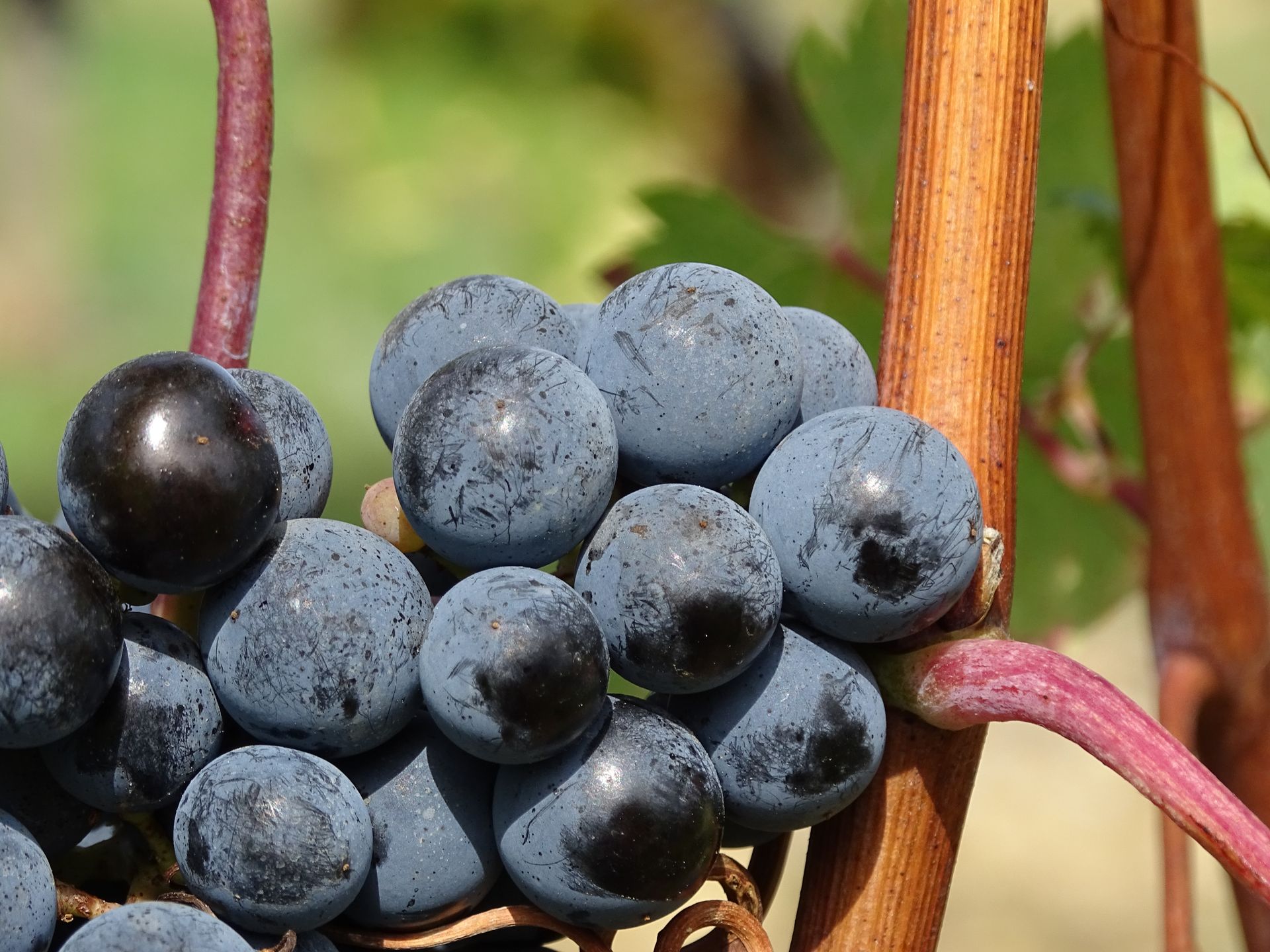
Let’s pick the winemaking process up after the grapes are harvested, sorted, and destemmed. Are those grapes green or black? Because the process is slightly different for each. Let’s first see how red wine is made.
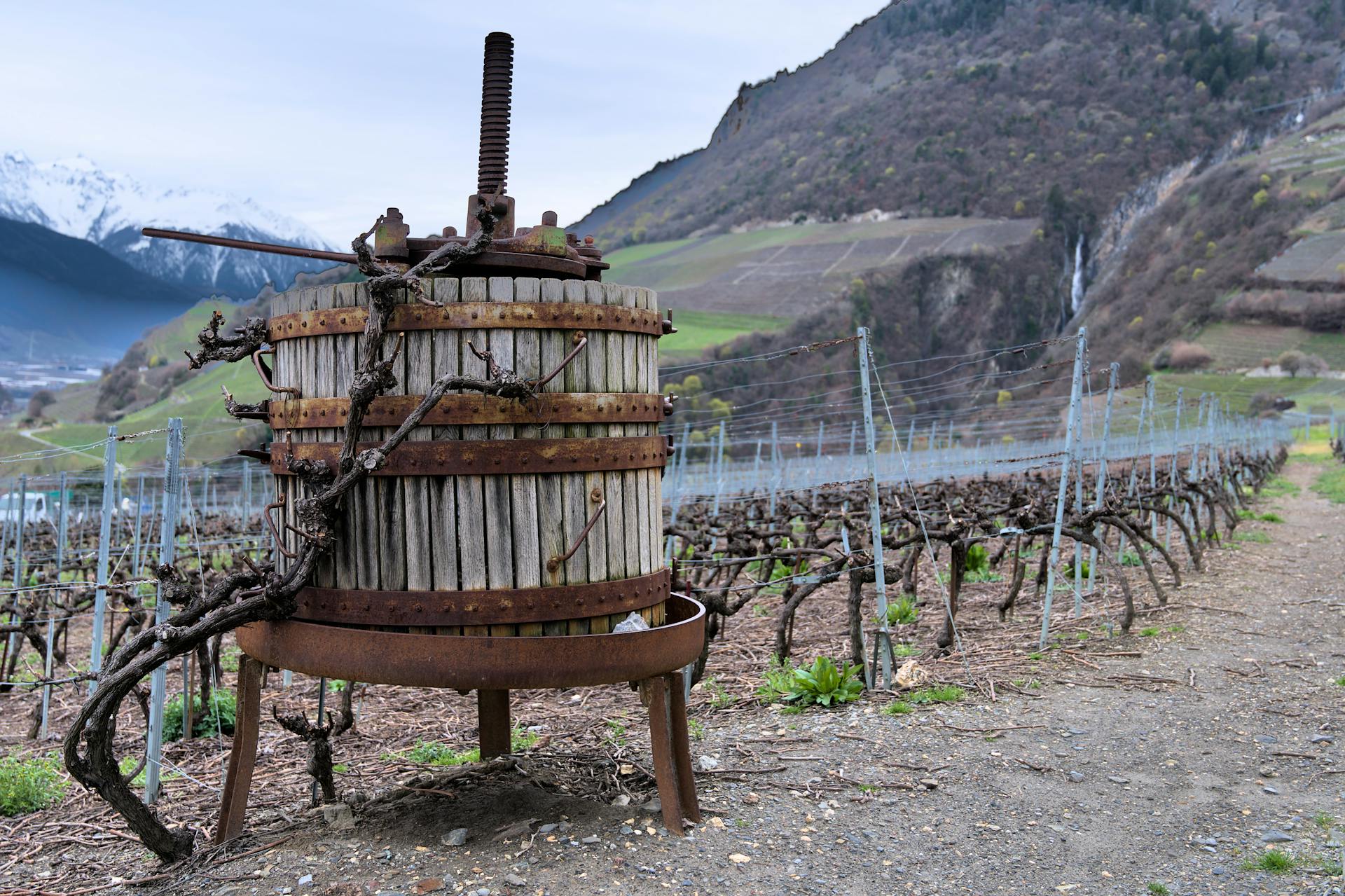
Photo by Jean-Paul Wettsein
Red Winemaking Process
The first step is crushing the grapes, which releases some of the juice. Both skins and juice[iii] are then placed in a vat. Yeast is added[iv], and the fermentation process begins.
Now, wine is made though fermentation. The yeasts will eat up the sugars in the grapes and transform them into alcohol and carbon dioxide. Yup, this is where the alcohol in your wine comes from. The higher the sugar content in the grapes, the more alcohol the end wine will have. This is why warmer[v] wine regions produce wines with higher alcohol content.
Throughout the winemaking process, during fermentation, solids will form a cap over the liquid, and winemakers might decide to punch it down or to pump[vi] the juice over it with the end goal of keeping the solids in contact with the liquids to maximize color and tannin extraction[vii].
When the fermentation is finished, producers separate the skins from the juice, which at this point is already wine. Some producers might decide to press the remaining solids to extract any remaining juice and add it to the separated wine.
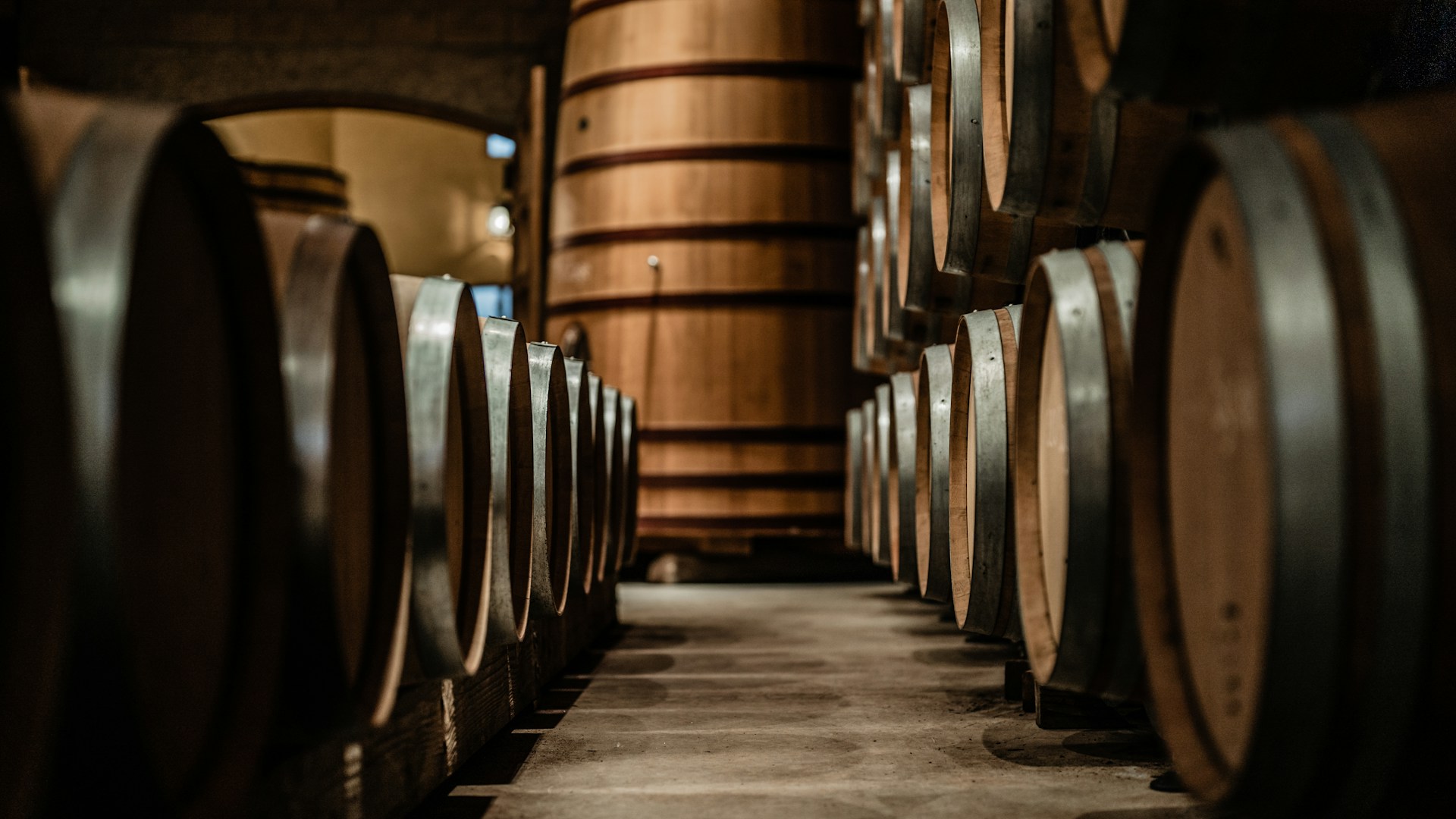
The last steps in the winemaking process are all about aging, which can be done in stainless steel, oak[viii], or any number of suitable containers, such as clay or concrete. The wines sit there for as long as the winemakers see fit, and only then are they bottled. In some cases, wineries keep the bottles for some time before releasing them, which helps explain why some wines are more expensive than others.
How is a Rosé Wine Made?
Rosé is also made with black grapes. The difference is that the skins are removed earlier than those in red wines. Skins are kept there long enough to add some tannins and not too much color. In reds, skins are removed after the fermentation process, which can take from a handful of days to three weeks. For Rosé wines, skins are removed after a couple of hours and up to a day.
The removed skins are not pressed and therefore the resulting juice is not added back to the still-fermenting wine.
How is the White Winemaking Process Different?
White wine is different from red because it’s made without the skins. So, if we look back at the red winemaking process, it’s immediately apparent that there’s an extra step needed to create white wine.
After the grapes are crushed, green grapes are pressed to release all the juices. In other words, the juice is separated from the skins at this step, before fermentation. Needless to say, the devatting process, where skins are separated from the wine after fermentation[ix], is not needed for white wines as the skins are already not there.
The rest of the winemaking process is similar. Yeast is added so that fermentation can begin, only, for whites, this happens at a lower temperature.
After all the sugars have converted to alcohol, the wine is removed from the vat and allowed to age in containers, just like we saw with red wine. More commonly, whites will age in stainless steel, but it’s not uncommon for Chardonnay[x] to age in oak barrels. Some will also sit at the winery’s cellar for a while, until they’re ready to ship.
What About Orange Wines, Then?
Orange wines are interesting because they are made with green grapes but following the steps to make a red wine. Grapes are crushed but not pressed. Therefore, the white wine is fermented in contact with the skins. This step also happens at a higher temperature, similar to red wines.
The color of the wine comes from the prolonged exposure to the skins. However, in some styles, wine is aged in amphorae. See, white wine is fermented at a lower temperature and in a closed container to avoid oxidation. Orange wines in this style are fermented in open vats, where the juice oxidizes. We call this style Amber wines.
Wait, What About Sweet Wine?
Right, we can’t forget to talk about it. Some fortified wines are sweet, but we’ll talk about them a little later. Still sweet wines are those where, after the fermentation ends[xi], there is still sugar left over. And for that, we need the sweetest grapes to begin with.
Winemakers let the grapes over-ripen on the vines, waiting for them to raisin. Due to when these grapes are picked, this style is often known as Late Harvest. Now, this is the most common method, but there are others. In the Jura[xii] wine region they make Vin de Paille, what we call straw wine, where grapes are left to dry on straw beds before being made into excellent wines.
In other places[xiii], vines are allowed to be infected by a specific fungus, Botrytis cinerea, that penetrates the berry and dehydrates it. This is known as Noble Rot and is as risky for the vine as you can imagine. Winemakers must be very careful, and the vineyard must adopt costly and labor-intensive practices to safeguard their production.
The winemaking process for sweet sparkling wine is different. Let’s talk about it next.
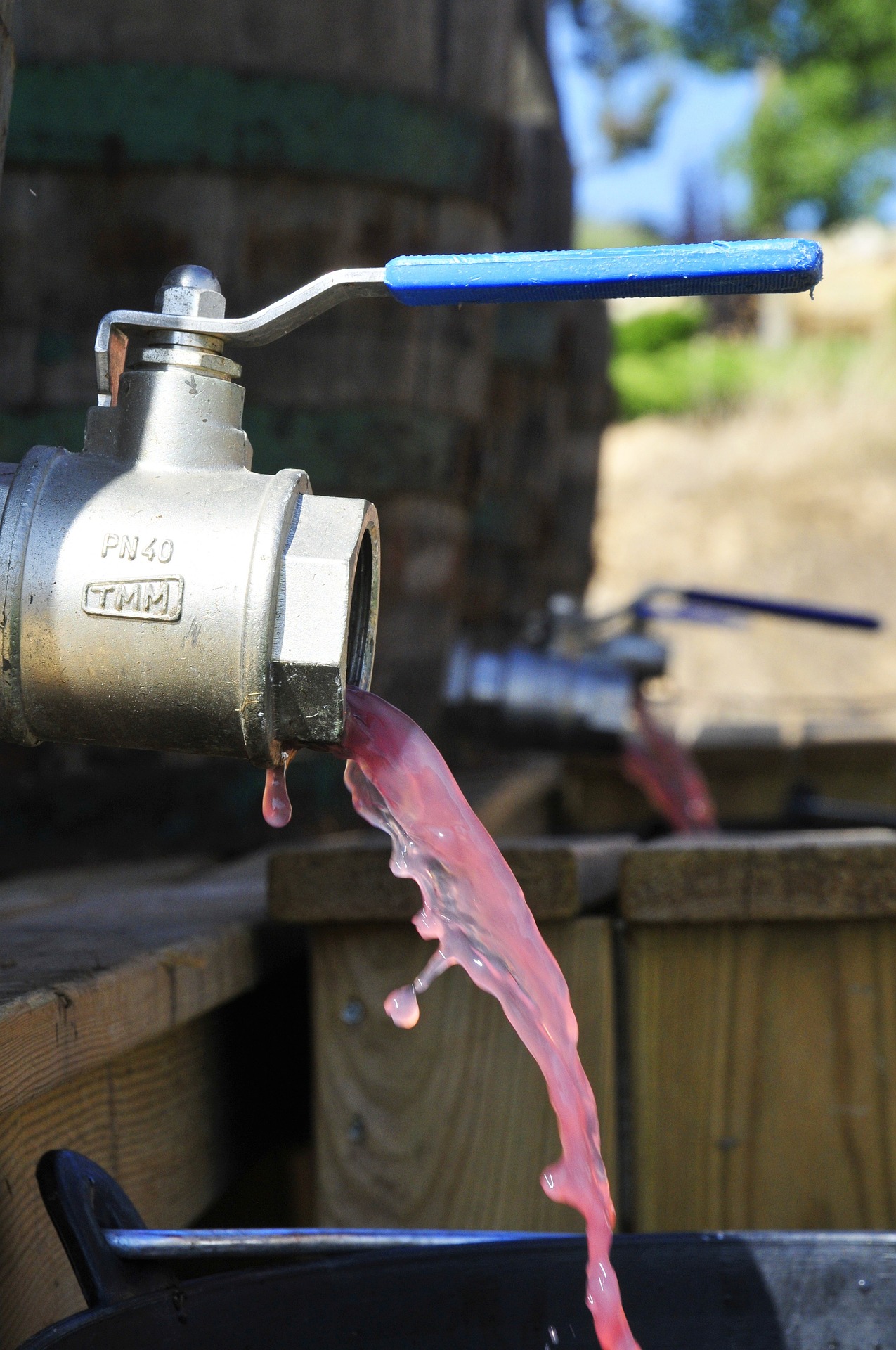
Photo by Tapani
How is Sparkling Wine Made?
I’ve written an article about Sparkling wines. In it, I go into some depth about the winemaking process for this style, so I will only cover the highlights here. If you’re interested, however, feel free to read the whole story here.
Sparkling wine begins as still wine. After the fermentation process is completed, additional yeast and sugar is added to create the desired carbonation. This is done either in the bottle or in tanks, which is the difference between the Traditional and the Charmat methods respectively. Clearly, doing it inside the bottle is more expensive than doing it in bulk, which explains the price difference between Champagne and Prosecco.
For sweetness, after this secondary fermentation, yeast is removed, and a mixture of wine and sugar, called dosage, is added to the wine to adjust the desired sugar level. For dry sparkling wines, no dosage (or very little of it) is added. For the sweeter varieties, more dosage is added. Sparkling wines, therefore, can be dry or they can be sweet.
And speaking of sweet wines, let’s talk about fortification. Even though we might be more familiar with sweet, fortified wine, they can also be sweet or dry. This is how they are made:
The Winemaking Process for Fortified Wines
There are a lot of nuances to fortified wines, particularly when talking about the world of Sherry. So, once again, I will simplify the process in just a few sentences.
The winemaking process starts the same as it would for still wine. However, at some point, a grape spirit is added. For sweeter fortified wines, this happens during the fermentation process[xiv], and it stops it by killing the yeast. In other words, the yeast didn’t have enough time to convert all the sugars to alcohol and CO2, leaving a good amount of residual sugar in the finished wine. If the winemakers want to produce a dry fortified wine, then the spirit is added after the fermentation is complete.
The Last Drop
Now we have an overview of how wine is made. Winemakers have plenty of decisions to make at each step, and it would take too long to cover all of them. Besides, they might end up confusing me and making this article hard to write—and read!
The winemaking process is fascinating, though. And the more I learn about it, the happier I get whenever I uncork a bottle. I have not mentioned, in my article, the love and hard work that people pour into crafting the delicious wines we drink. I wanted to keep it simple and mostly technical, but wine doesn’t exist without the passion of everybody involved in how wine is made.
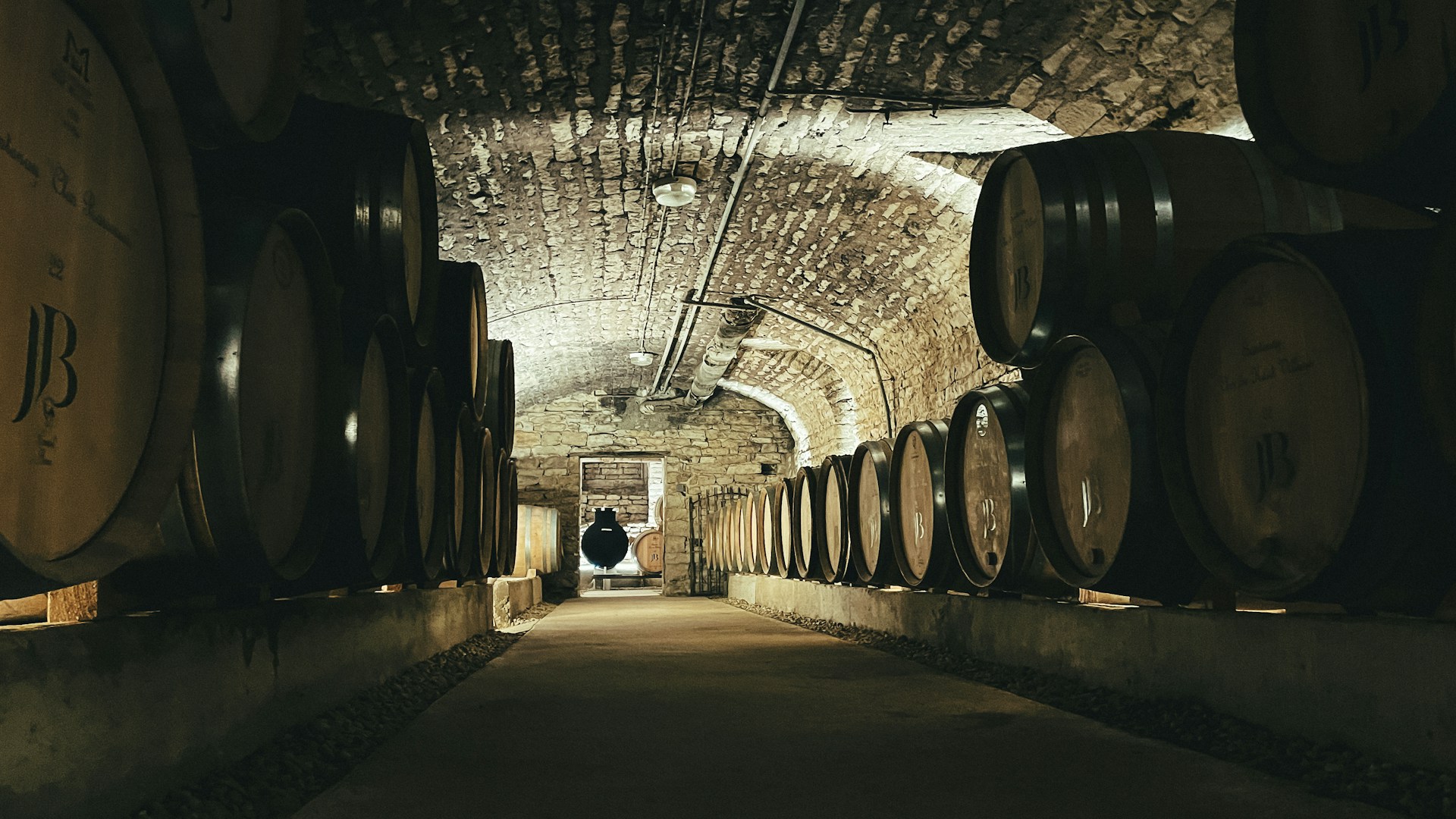
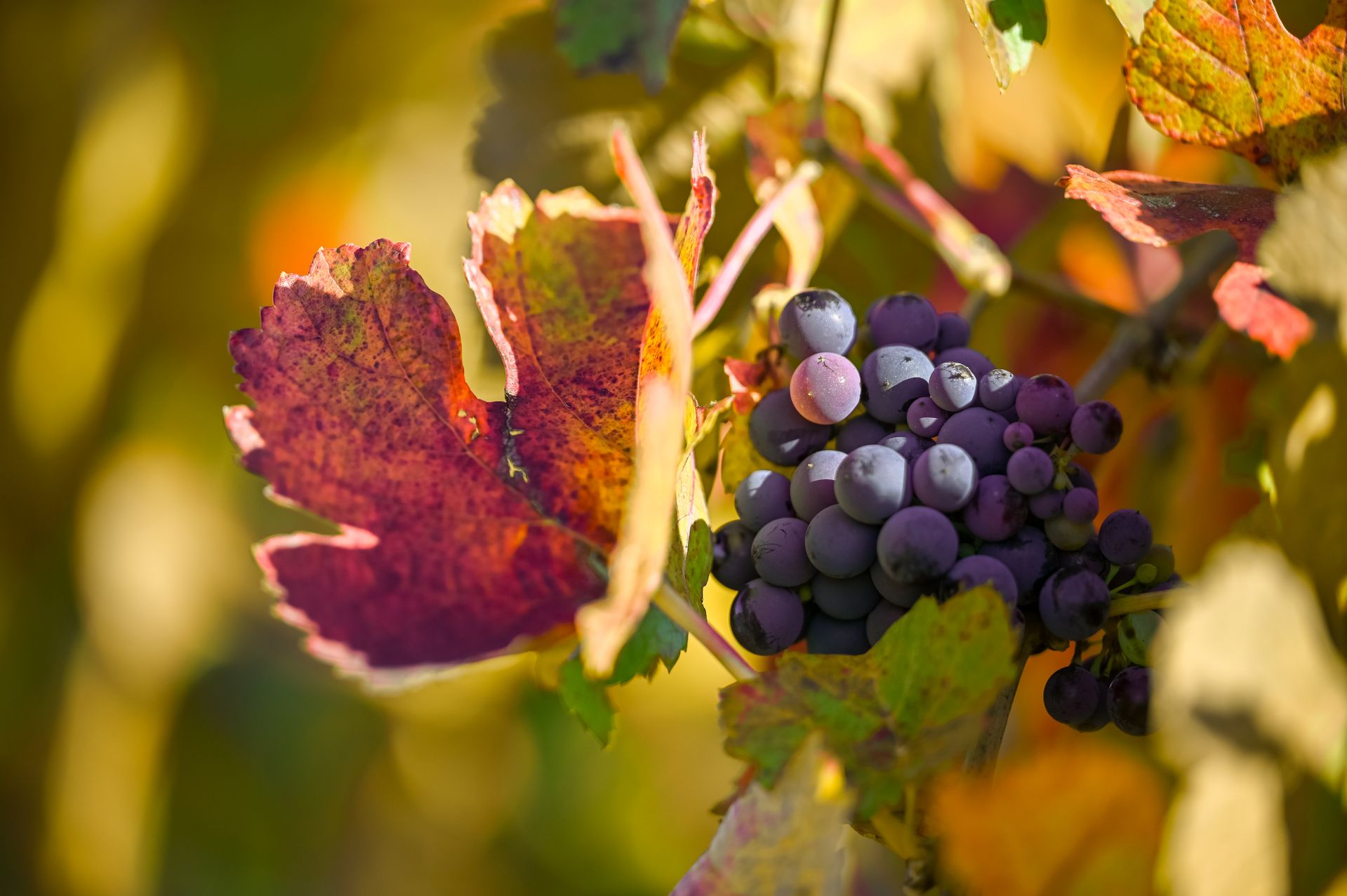
Photo by ResKP
[i] Which are themselves still wines. It just means no bubbles.
[ii] Technically, “wine styles” are still, sparkling, and fortified. The colors are defined by the winemaker’s decision to use—or not—the skins of the grapes in the winemaking process.
[iii] And other solids, such as seeds.
[iv] Some producers, of course, rely on environmental naturally forming yeasts. No additional yeast is added.
[v] Warmer temperatures mean more sugars in the grapes as they ripen.
[vi] A hose extracts the juice below the cap and sprays it over the cap.
[vii] Both color and tannins come from the skins.
[viii] Oak is popular and interesting. There are a ton of decisions the winemakers makes regarding the oak barrels they use: is it new or used? And how many uses? I know one winemaker who ages his wine in barrels with at least seven uses. And what about the oak’s origin? Is it French oak or American oak? How toasted is it? And, how large is it? There are a variety of barrel capacities available. Different wines will come out of different decisions.
[ix] I didn’t mention it with red wines either, but this is oversimplifying the process slightly. In fact, devatting, découvage in French, is the second in a two-step process. The first one is écoulage or running off. In this first phase, the valve in the vat is opened to let it drain by gravity. Devatting comes next. In it, all solids get removed, often by hand, before getting pressed.
[x] Of course, Chardonnay is not the only white wine that can be aged in wood, just the most popular.
[xi] This is not because there’s no more sugar to process, but because there’s no more yeast to do it.
[xii] The Jura A wine region in eastern France, bordering Burgundy to the west and Switzerland to the east.
[xiii] Sauternes in France and Tokaji in Hungary are both known for their botrytized wines.
[xiv] Famously, Port wine was originally made so that it wouldn’t continue to ferment, and potentially burst the barrels, or spoil, when traveling from Portugal to England. The higher alcohol served as a preservative, which was the initial goal.
Cover Image: Stainless steel fermentation as part of the winemaking process. Photo by Daniel Vogel.

Leave a Reply