

What will we drink this year? Discover the top Wine Trends for 2026. Discover why lighter reds, sustainable packaging, and small-batch bubbles are taking over the world of wine.
Happy New Year to you all! That’s right, it’s 2026 and we have a brand-new calendar to hang on our walls. Time to figure out what this year will bring. In my case, I think about what to expect in the world of wine for this lap around the sun. You got it, it’s time to talk about the wine trends for 2026.
Now, before we begin, I need to clarify that I don’t know what will trend in wine in 2026. Best I can do is do a little research and think critically about the changes I’ve seen last year and how those will affect this one. I will not attempt to guess wine trends for 2026 that are not already brewing. If I wanted to gamble, I’d go to Vegas.
That said, these are the 5 wine trends for 2026 that I feel will shape how we drink this year.
Zero and Low Alcohol Alternatives Are Here to Stay: My 1st Wine Trend for 2026
This one is no longer a trend; it’s a collective lifestyle preference particularly from younger consumers[i]. We don’t know if they will drink more as they get older or if the next generation will feel differently about alcohol, but I can tell you with high certainty that it won’t happen this year.
I will not get into why they’re less interested in alcohol here, because there’s enough there to fill at least one article on the subject. However, I can easily predict that wineries, particularly the big ones, will continue to capitalize on the commercial opportunity. It might be their best bet to capture new consumers, and therefore low and zero alcohol will potentially become their lifeline[ii].
I also think celebrities will jump into this bandwagon[iii] and endorse low and zero alcohol wines. More publicity will make this “trend” more fashionable and therefore more expensive as well. Time will tell if the industry finds an optimal balance between how much to charge and how much consumers want to pay. They might just move to unfermented grape juice… or to good old-fashioned wine with alcohol in it.
If this 2026 wine trend hits Chile, we might run into a problem, at least for wine consumed locally. I already mentioned this when talking about Chilean wine labels, but the law states that for a wine to be called a wine, it must have a minimum of 11.5% alcohol content. New legislation might need to pass to allow wineries to sell wine with lower alcohol than that.
Innovative Packaging Formats: My 2nd Wine Trend for 2026
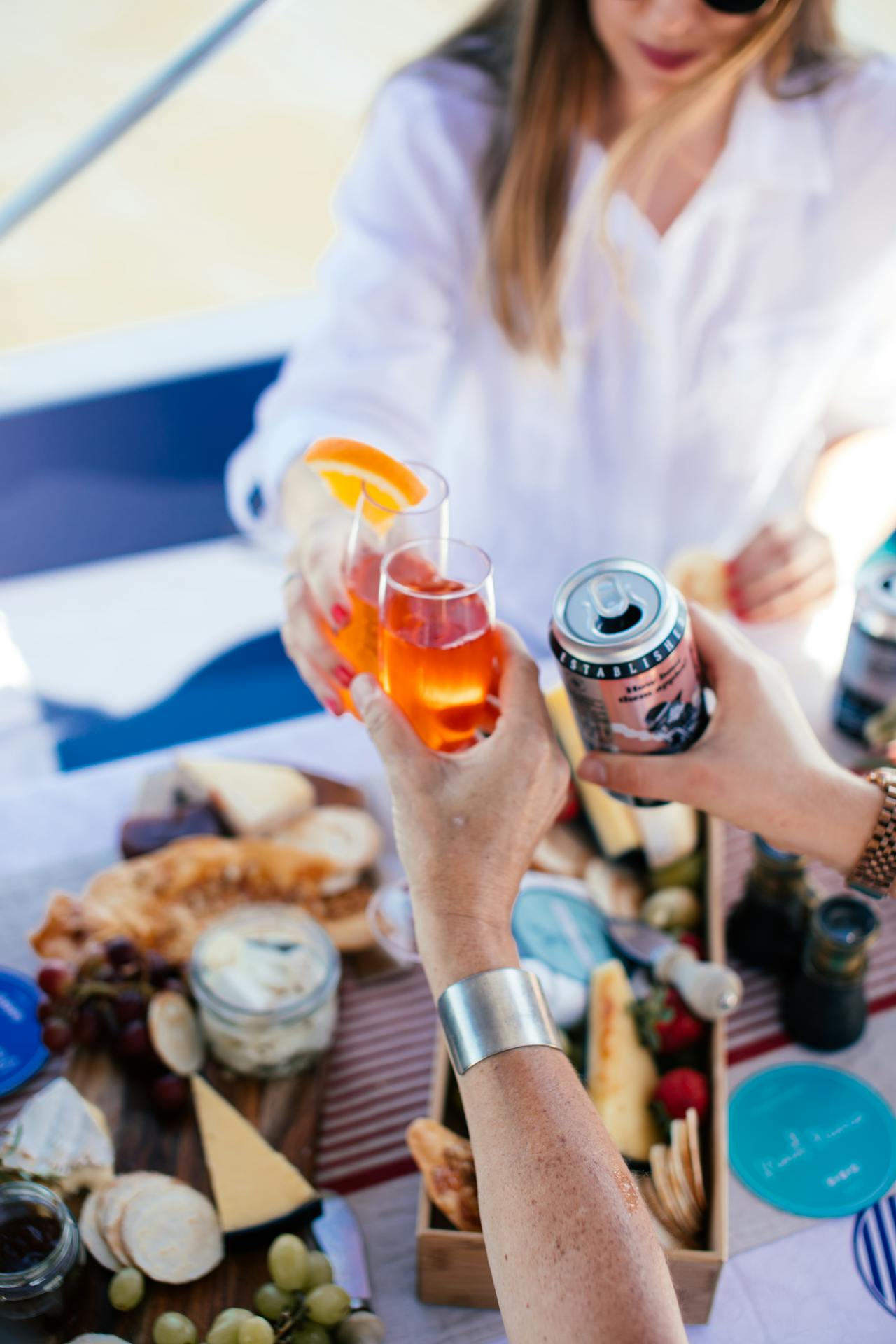
Photo by Rachel Claire
The wine industry is concerned about younger generations not drinking, and they will make efforts to change their minds[iv]. Different packaging might be the solution. I’m talking cans, BiBs[v], individual bottle sizes[vi], and wine on tap in bars and restaurants.
Thinking about packaging makes sense. Glass is heavy, making transportation expensive[vii] and environmentally unfriendly. Consumers are more conscious about that kind of stuff than ever in the past, so lightweight packaging is a smart alternative.
Additionally, there’s room there to make the packaging cooler, more contemporary, in a way that speaks more to younger buyers who might feel wine is too traditional and has not adapted to them and their needs. Beer has done a better job, don’t you think?
Beer is more popular than wine. Sure, they’ve marketed it as the working-class drink, but it’s also about the convenience of cracking open a can after work if you feel like it. Not so with wine, right? You uncork a bottle and pour a glass, but you still have a full bottle to finish in the next couple of days before it goes bad. Wine is less accessible than beer, and you can get very snobby with beer as well!
Additionally, single-serving formats (or longer-lasting-once-opened packaging solutions) are attractive for consumers looking for just one drink at a party or with their meal. I think about wine by the glass in restaurants. Sometimes I just want one glass, but the great alternatives are only offered by the bottle. Wouldn’t it be wonderful if they had those same wines in one-serve formats?
We’re, of course already seeing some of this. I remember, for instance, that the first can of wine I drank was in 2008, and even if that project failed in Chile, I see it’s picking up elsewhere around the globe.
More Sparkling, But Not Only Champagne: My 3rd Wine Trend for 2026

Photo by Leticia Alvares
Champagne, though delicious and popular, has seen a commercial decline in the past few years[viii]. Consumers moved to cheaper alternatives, like Prosecco. I foresee more of that for 2026, but with better alternatives. See, people want to drink better wines, so they will move to small-batch Champagne and quality Prosecco producers, but they will also seek their bubbly fix elsewhere.
And you don’t have to go far: in France you can find other Sparkling options made with the traditional method. They go under the name Crémant, and you can find it in other wine regions. Crémant de Bordeaux from Bordeaux and Crémant de Loire from Loire, for example. Both are great values, but I think the prize would have to go to Crémant de Bourgogne, made in Burgundy with Chardonnay and Pinot Noir, the same grapes as Champagne[ix].
Italy also has Sparkling outside of Prosecco. Lambrusco is a great alternative made from red grapes. Now, if you’re looking for Italian traditional method sparkling, I can mention Trento and Franciacorta, my personal favorite.
Spain and—more recently—England also have killer Sparkling alternatives. The former has Cava, and the latter has…well… sparkling. They are both good and getting better year by year, though the newcomer is England.
2026 might also start to pay more attention to New World Sparkling wines. My shout-out goes to (you guessed it) Chile. Coastal Casablanca has been making terrific Sparkling wines for well over a decade. You should try them if you haven’t yet.
Lighter Fresher Wines, Including Reds: My 4th Wine Trend for 2026
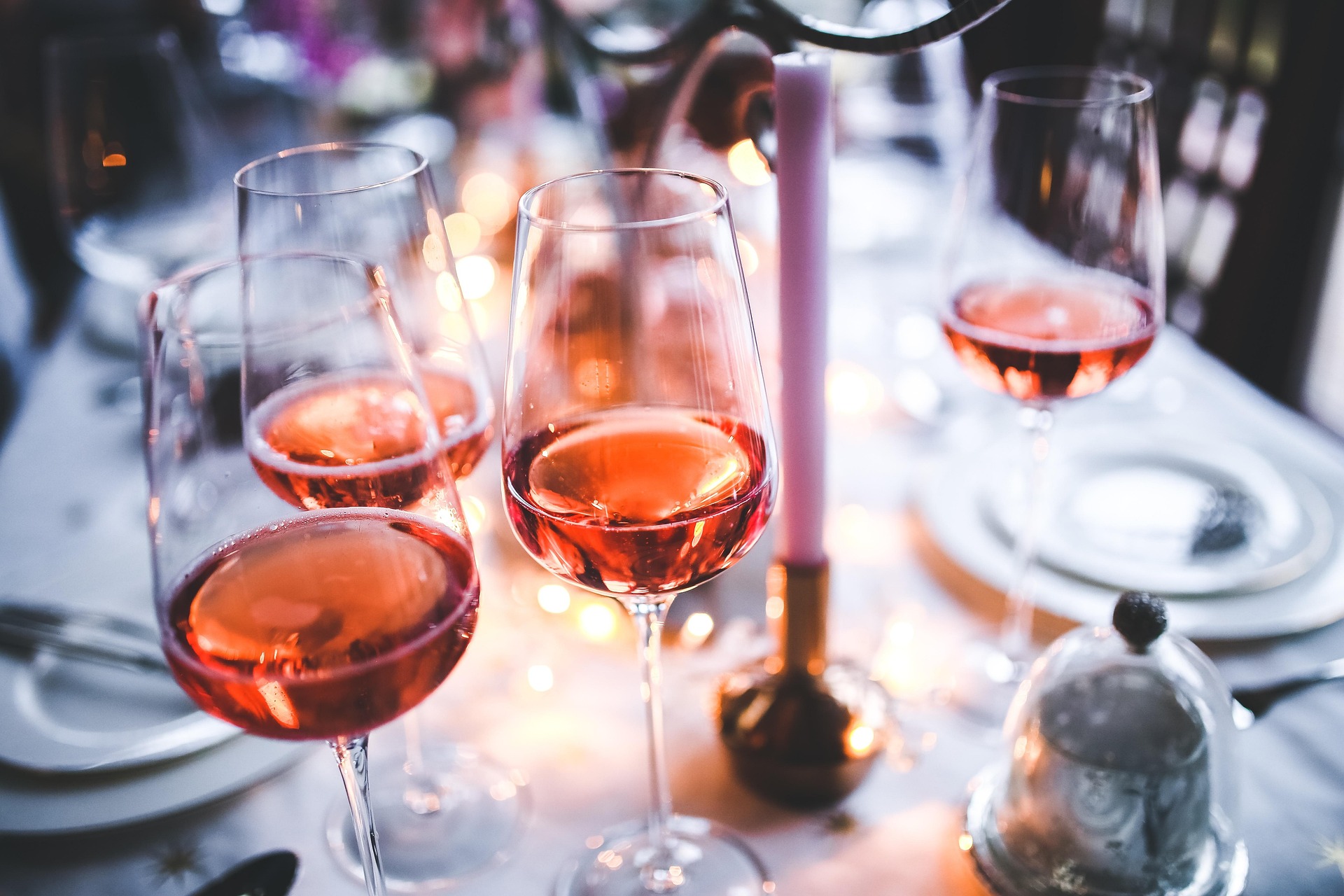
Photo by Karolina Grawoska
You probably already noticed that my wine trends for 2026 are continuations of what’s already been happening in the industry. I guess what I’m trying to say in this article is “if you haven’t noticed, here’s what’s happening in the world of wine. Don’t expect these things to change in 2026.” Lighter and fresher reds are already a thing now, and we’ll see more of that this year.
People will continue to look for reds that you can drink slightly chilled. Garnacha, I suspect, will see an increase in popularity. I also think consumers will also gravitate towards Cinsault and Nebbiolo[x]. They might even discover Gamay, País, and Zweigelt[xi].
Bolder, premium, food-friendlier rosés will thrive. It will no longer be only the easy-drinking wine relegated to patio evenings during late spring. Producers will make[xii] complex, aged Rosé wines to drink all year round. And speaking of skin-contact wines, Orange Wine popularity will continue to grow. Maybe they’ll become the wine of autumn, just as Rosé is the wine of spring.
Drink Less, But Better: My 5th Wine Trend for 2026
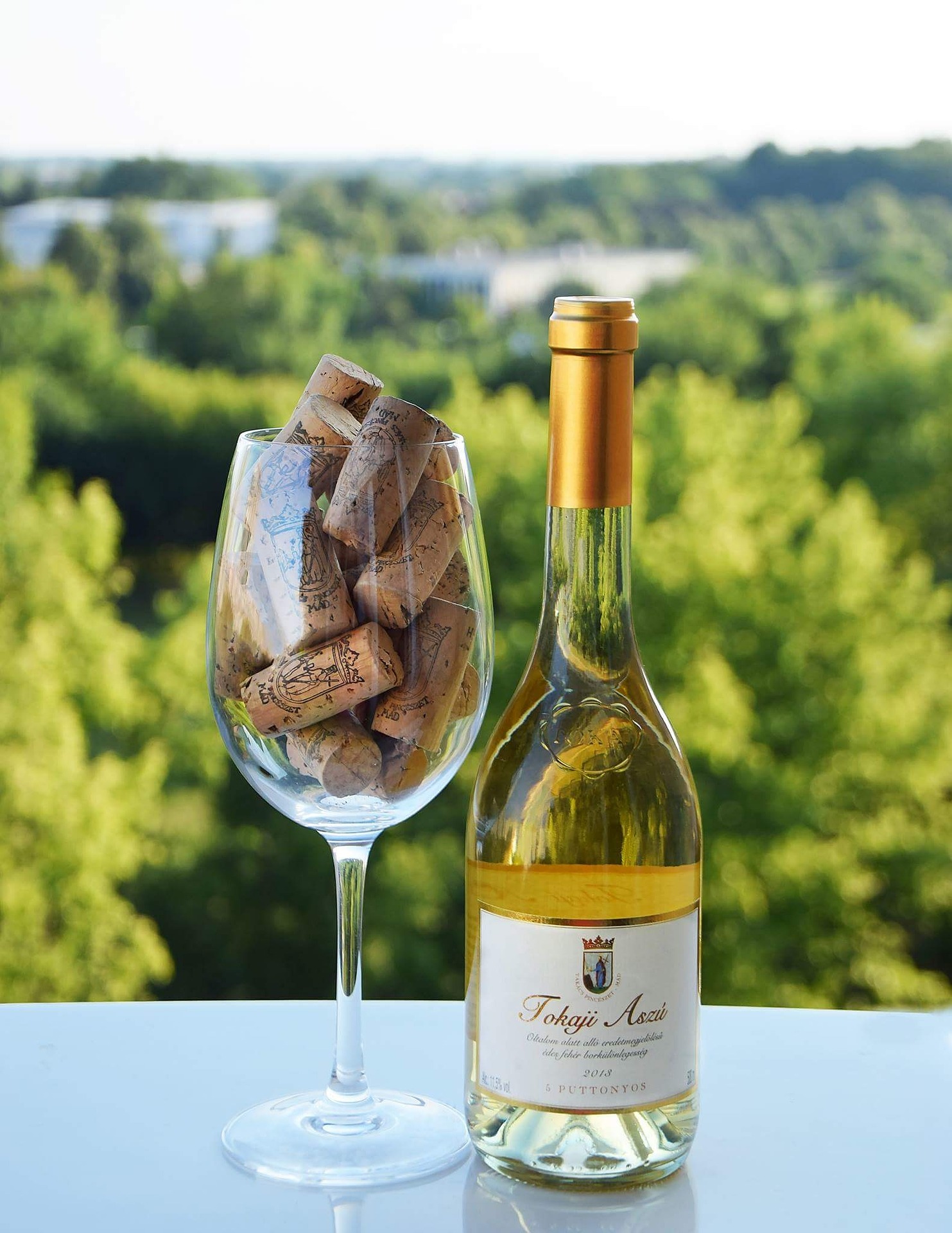
Photo from Pixabay
This whole article has been building up to this moment. Everything I’ve written this week points to this trend: Consumers will drink less wine, but they will look for better quality. Global economic hardship and tariffs in the United States will mean that buyers will be spending less on wine. However, because of how accessible information is right now, they will also be willing to spend their money in better value propositions.
And that doesn’t mean they’ll drink expensive wine. Value is more than just the money we spend. Forget super expensive wines, but also the cheaper ones. Mass-produced wines will continue to see a decline.
Consumers will seek wines with history and producers with a story to tell: Small growers with a sense of place and regions offering value rather than expensive prestige. They will also discover that neighboring regions of established ones offer similar experiences in wine for less money[xiii].
Additionally, wine enthusiasts will continue to research and uncover lesser-known wine regions. This already happened with Portugal (which makes excellent well-priced wines and will continue to thrive), is currently happening with Georgia, and will probably happen with other regions. I’m thinking Albania, maybe, but also lesser explored regions in well-established countries[xiv]. For instance, Languedoc-Roussillon in France or Puglia in Italy.
And what about the New World? I also think countries like Chile and Argentina will do better. Maybe not their big wineries and signature grapes, like Cabernet Sauvignon from Maipo, for example. But grapes like Carignan from old vines in Maule will be interesting for 2026 wine drinkers.
The Last Drop
Well, there you have it. My 5 wine trends for 2026. What do you think will happen in the industry this year? And what do you think I got wrong? Chime in in the comments. I’d love to read your thoughts.
Footnotes
[i] I’m talking about Gen Z. The oldest from that generation are in their mid to late twenties, and we still have a decade of them becoming old enough to drink legally.
[ii] Consumers, Millennials and Gen Xers are shifting to smaller wineries and lesser explored wine regions, as I talk about in a different 2026 wine trend. Big traditional wineries might stay afloat if they move towards zero and low alcohol wines.
[iii] They, in fact, already are, and not only wines, but beers and other drinks as well.
[iv] And, of course, attract those who already drink.
[v] Bag-in-Box. You know, tetra pak and similar packaging.
[vi] I know 375 ml bottles already exist, but I mean even smaller bottles, holding enough wine for a standard 150ish ml pour.
[vii] Which is why we see so much bulk wine being exported from Chile. It’s cheaper to bottle at the destination.
[viii] To be fair, this comes after a boom during the pandemic years.
[ix] Champagne can also be made with Pinot Meunier.
[x] Look for Nebbiolo from outside Barolo and Barbaresco. Neighboring regions offer lighter expressions of this varietal. I’m talking Ghemme or Gattinara.
[xi] Gamay, I feel, is already somewhat well known as the other Burgundy red grape (Beaujolais, to be precise). País is also known as Listán Prieto in Spain. Lastly, Zweigelt might be the next great varietal to come out of Austria, after we discovered Grüner Veltliner a few years ago.
[xii] Or continue to make them, because many producers, especially in Southern France, have already been doing this style for a long time.
[xiii] For example, Gigondas and Vacqueyras neighbor Châteauneauf-du-Pape. They make similar blends using the same varietals, but are not as well-known, and therefore their wines are affordable.
[xiv] As well as disregarded varieties from established regions (Aligoté in Burgundy, for instance).
Cover Image: Upcoming wine trends for 2026. Graphic by Mohamed Hassan.

Leave a Reply