
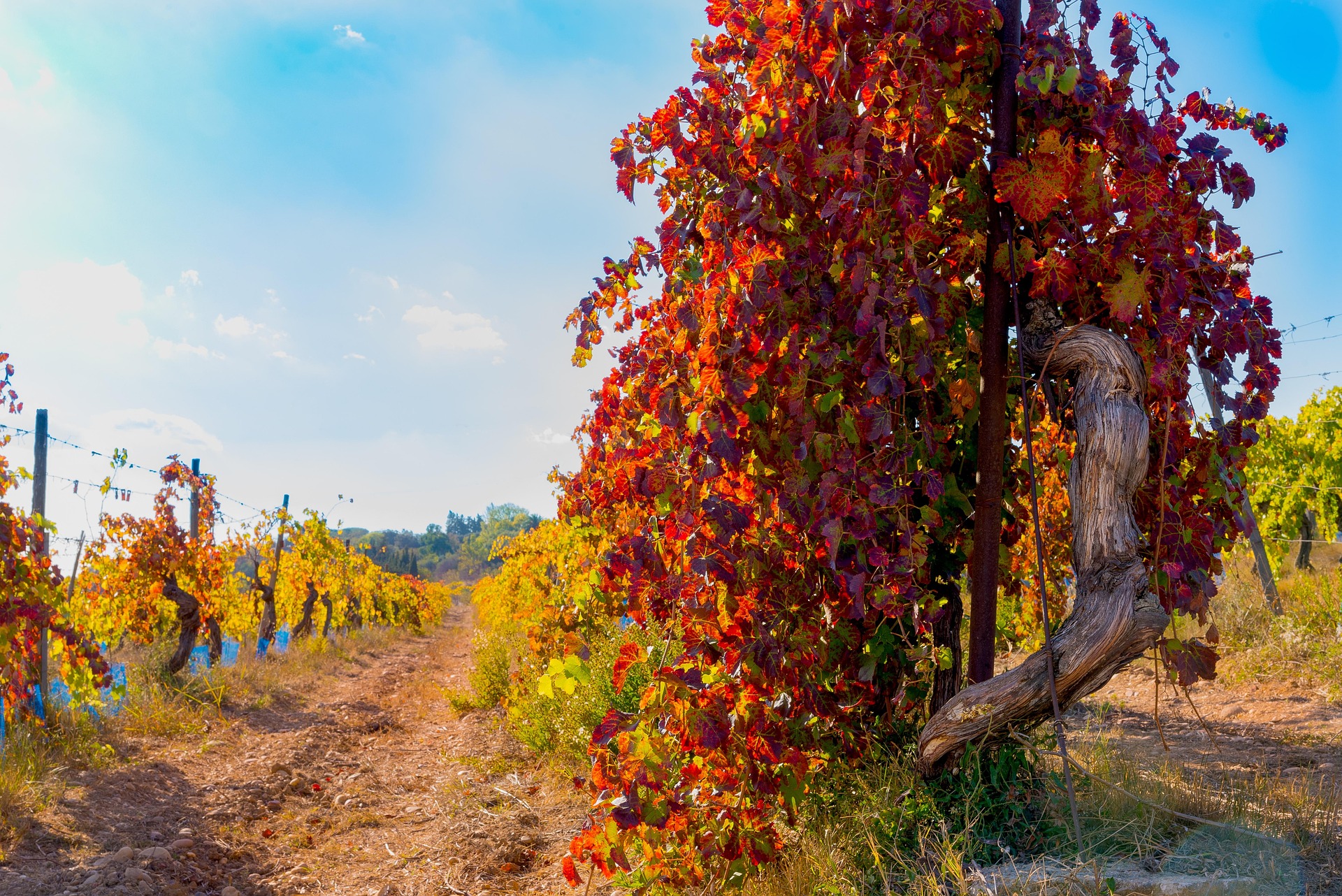
Discover the Maule wine region in Chile, from its historic vineyards and Mediterranean climate to old vine Carignan and País.
Maule is one of the oldest wine regions in Chile. It’s also one of the largest. At one point it was primarily a bulk wine producer, but it’s undergoing a revival, concentrating on higher quality, particularly from wines made with grapes from old vines.
Like Maipo and Colchagua, the Maule wine region is located within Chile’s Central Valley. Its Mediterranean climate is ideal for red wines, though modern winemakers are open to diversity and experimentation.
Let’s dive into the Maule wine region. We’ll talk history, styles, and how the valley went from being Chile’s workhorse of bulk production to a revival driven by old vine wines, particularly Carignan.
Maule Wine Region: The Birthplace of Chilean Wine
That’s right, it’s the label we’ve stamped on the valley, even when we know that Chile’s wine industry didn’t start there. Well… maybe it didn’t. We don’t know for certain, but both Maipo and Itata also claim to be the first wine regions in Chile, and they both have strong cases[1].
We can’t dispute, however, that the Maule wine region is one of the oldest in Chile. Winemakers there planted their first vines in the mid to late 16th century. The first wines were made with País and Muscat[2], both of which we still plant in the region.
Back then, the Spanish crown wasn’t interested in supporting a wine industry in the colonies[3]. Two kings, in fact, prohibited wine production in the Americas. Winemaking survived, but the industry didn’t grow. It was only after gaining its independence that Chilean winemakers, with some help from French experts, began to live up to their potential. If this interests you, I’ve written an article detailing the history of wine in Chile.
The Maule wine region was growing mostly País, though. It was of the last strongholds of Spanish wine. With this grape, they made inexpensive wine of low quality, most of it being sold in bulk as Pipeño, a rustic traditional wine. But I’ll touch on Pipeño again a bit later.
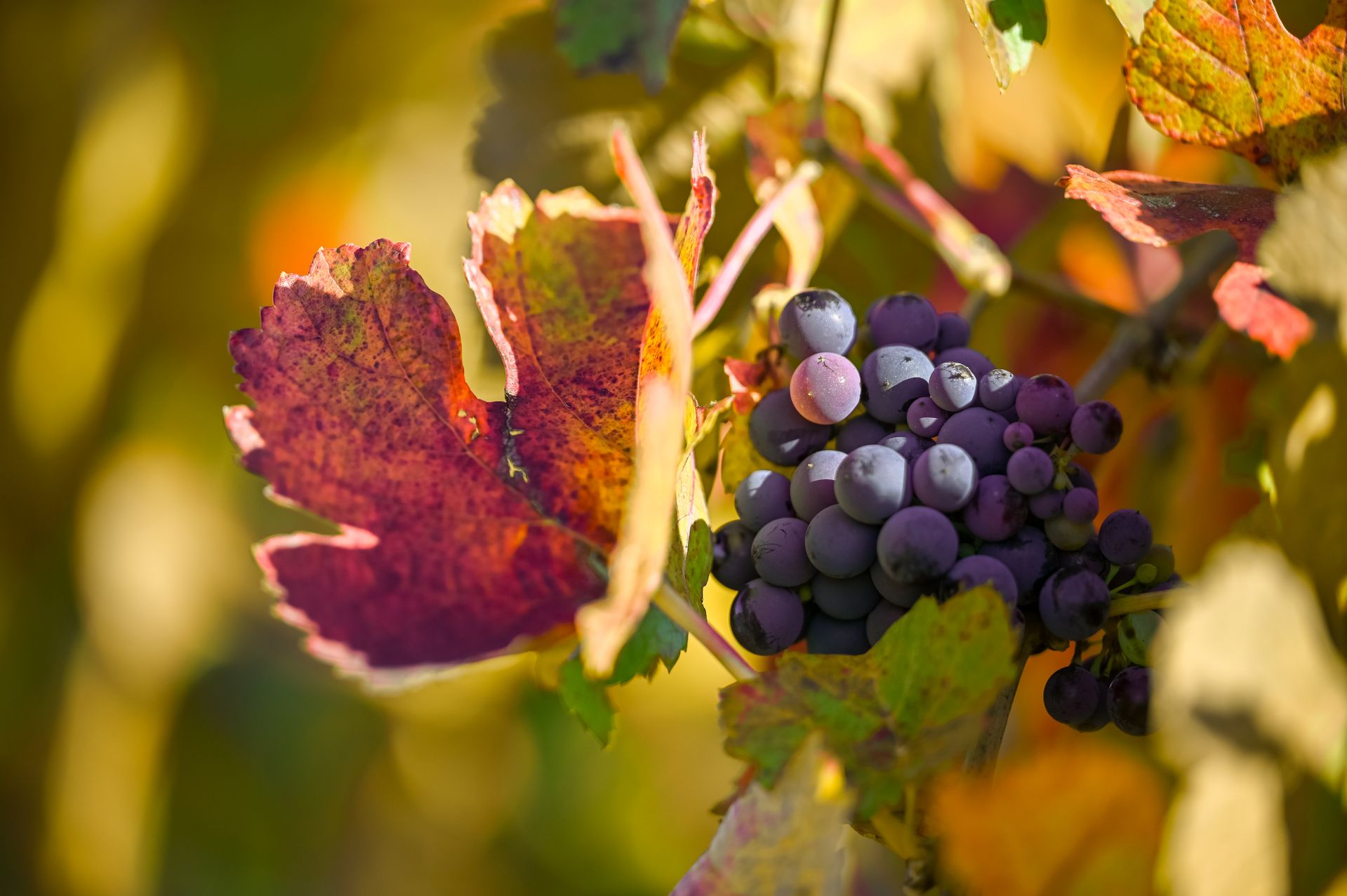
The renaissance in the Maule wine region started when winemakers saw the potential of old vines—particularly Carignan—in the 1990s. Today the region is recognized for preserving the heritage of Chilean wine and making elegant wines with old vine Carignan and País.
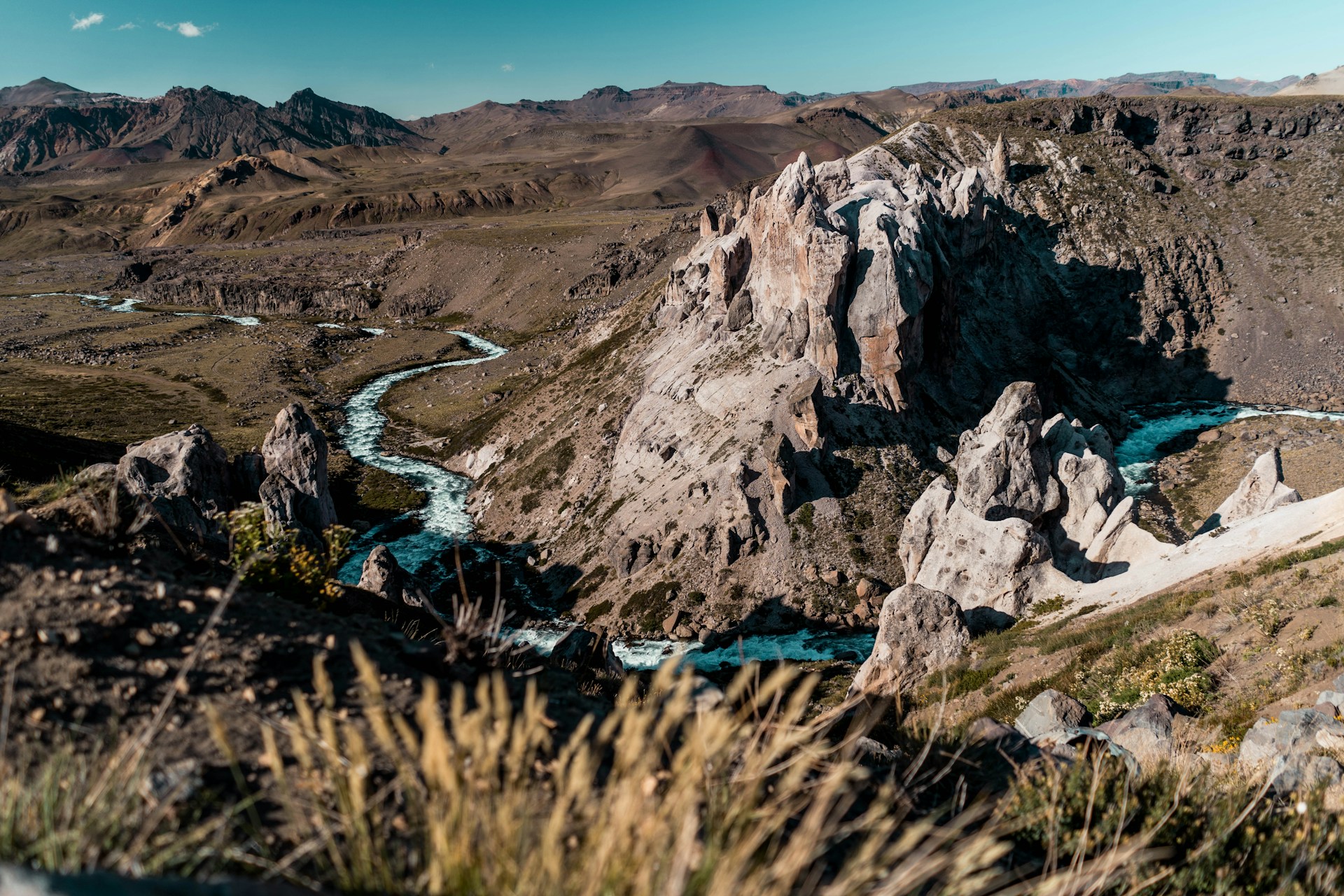
Photo by Nicolás Gutiérrez
Where Is the Maule Wine Region?
Though part of the Central Valley, Maule can be considered a region in the south of Chile[4]. The region is about a three-hour drive from Santiago, but it can take you a little more or a little less depending on where in the valley you go.
East to west, it’s simple. Like in most of Chile, the Maule wine region borders the Andes Mountains to the wast and the Coastal Mountain Range[5] to the west. The north and south are a bit less precise. North is the Mataquito River, but Maule just blends into the next wine region up, Curicó. Same thing happens to the south, as the Maule wine region ends where Itata[6] begins.
The Mediterranean Climate of Maule
I spoilt it, didn’t I? The Maule wine region has a Mediterranean climate, with warm dry summers and rainy winters. The Andes cool the region at night, causing significant diurnal temperature shifts. In the summer, highs can reach over 30°C (86°F), but at night the temperature drops to 13°C (55°F) or lower. This ensures that berries ripen while retaining their natural acidity.
Winemakers at Maule farm vines without irrigation, what we call secano. I’ve written an article about why winemakers like to stress their vines by, for instance, depriving them of additional water. Secano vines produce concentrated fruit, which is then turned into tasty wines.
The coastal cordillera also affects vines by funneling ocean breezes, so the vines that grow on its slopes also feature interesting acidity and cold-weather aromas[7].
What Wines are Produced in Maule?
Maule produces mostly red wines, and Cabernet Sauvignon is still popular there. However, País, the original Spanish variety, is gaining popularity in the whole country. I think Itata is at the helm, but fantastic País also comes from Maule.
Other reds also grow well in the region, including Merlot, Carménère, and Syrah. Commonly grown whites are Chardonnay and Sauvignon Blanc.
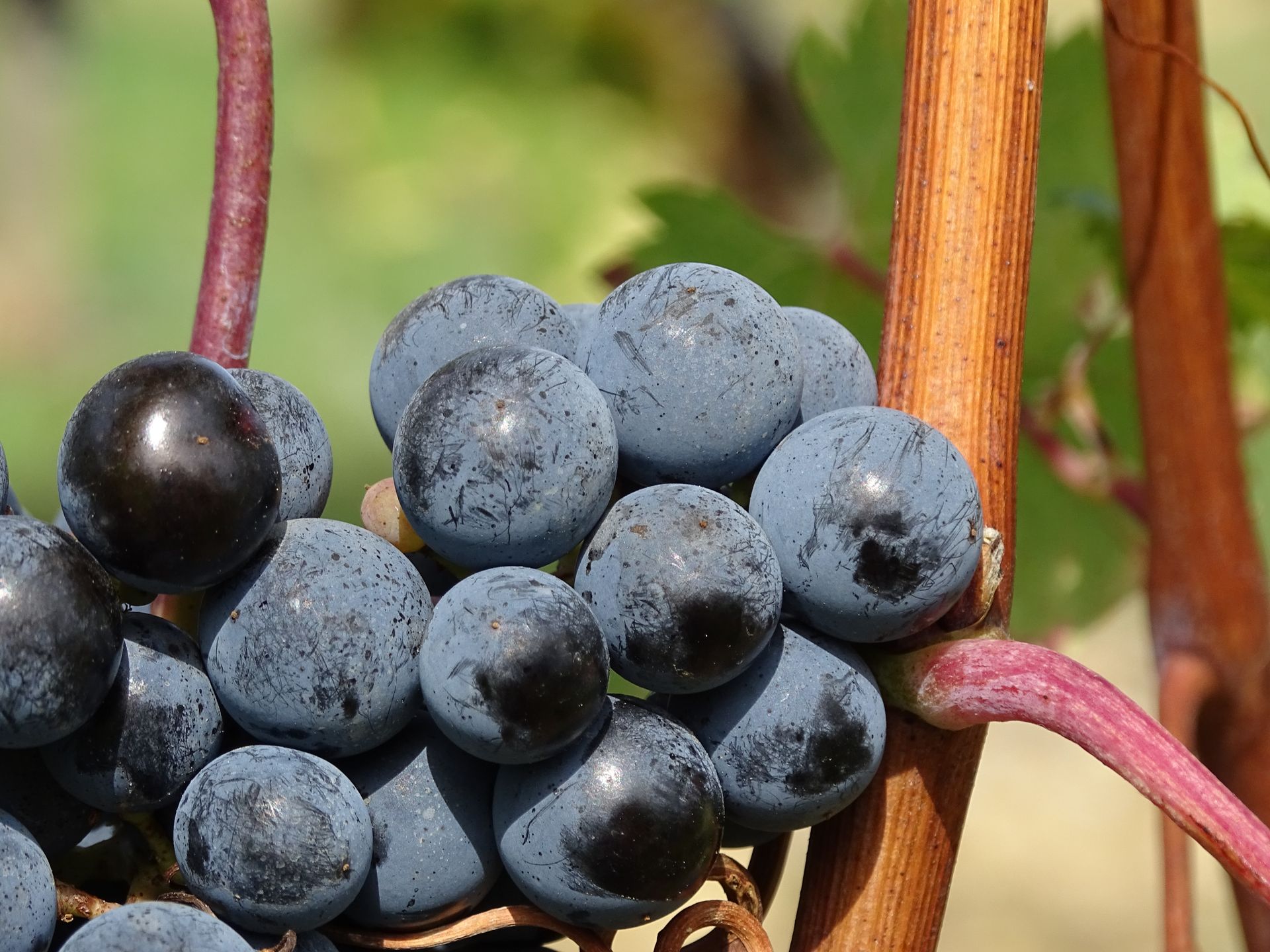
But the star of the Maule wine region is Carignan, thanks to vines planted in the late 1930s and early 1940s. Winemakers are still using those old vines, and an organization of winemakers follows a set of rules—creating an unofficial DO[8] of sorts—to keep their wines at a high quality. Look for VIGNO on the labels if you like that style. Of course, not all high-quality Carignan in Maule is produced under the VIGNO umbrella, but you can’t go wrong if you pick a bottle featuring VIGNO on the label at your local wine store.
A Few Words on Pipeño
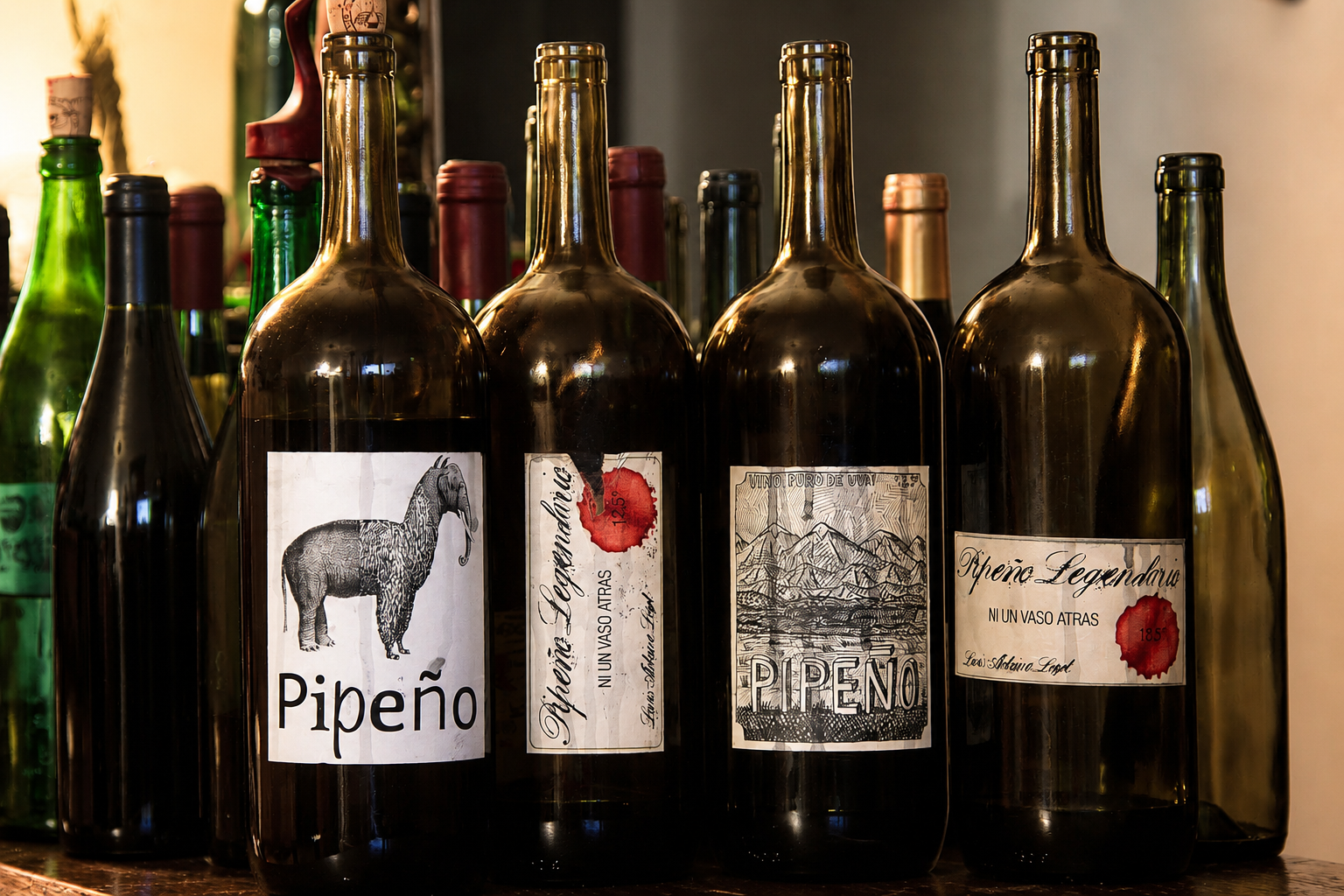
Photo by Shemyr
I mentioned above that an inexpensive low-quality wine called Pipeño was produced. I also mentioned I would talk about it; so, here we are.
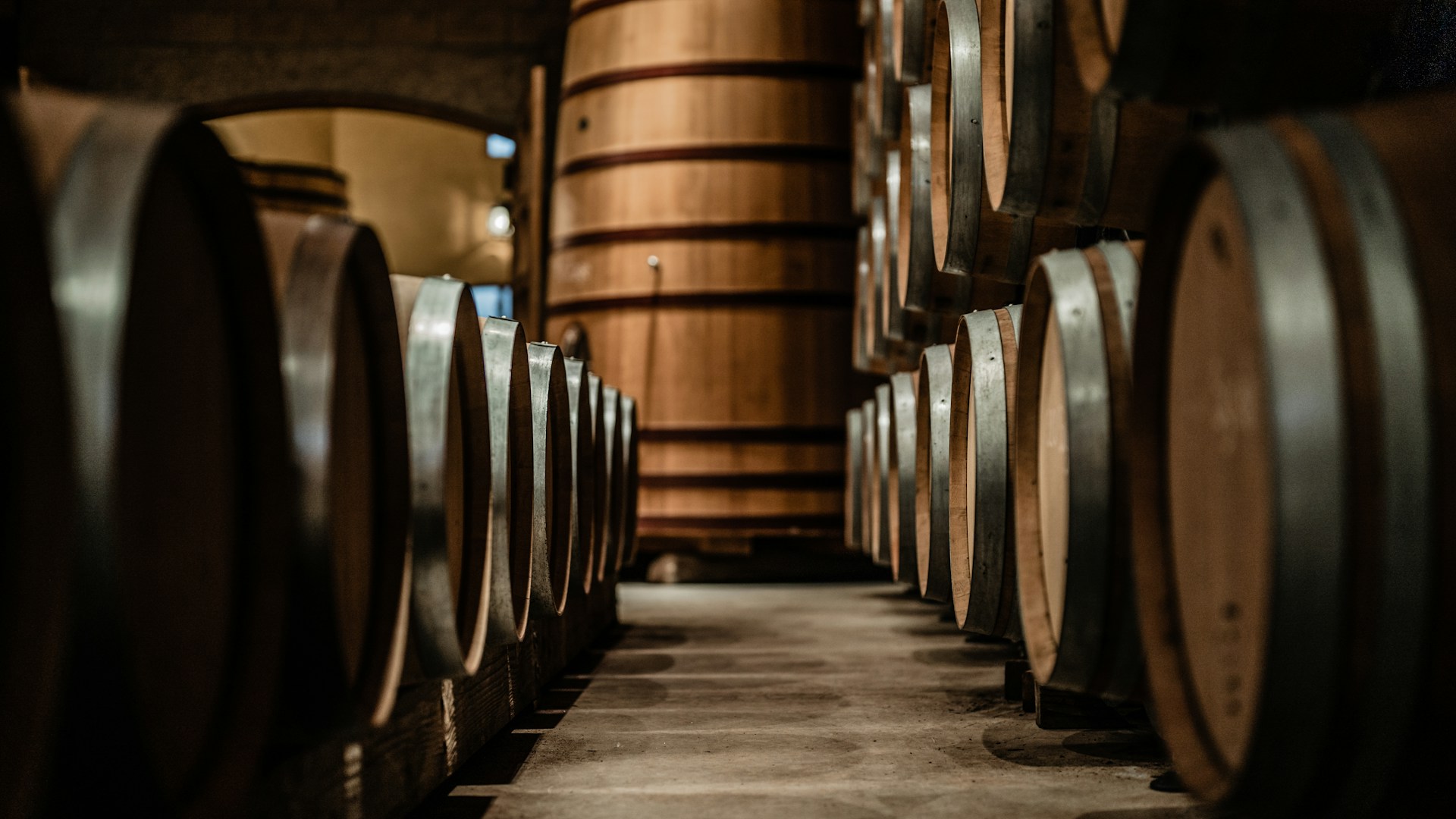
Pipeño is a small-scale, rustic, natural wine that can be either red or white and has traditionally been the wine preferred by the working classes. It’s an ingredient in the popular cocktail terremoto[9]. It’s typically a young, unrefined, low-intervention wine. It’s light and generally uninteresting. However, it’s recently seen a revival, as winemakers have grasped its potential. Most high-quality Pipeño is produced in Itata, but a few winemakers in Maule are also making it. These higher quality Pipeños are still natural wines, but more care is given during every step in their winemaking process.
Winemakers are rescuing a part of Chile’s wine heritage with these wines, making them trendy.
The Last Word
I appreciate what VIGNO and other producers outside that organization are doing with old vine Carignan in the Maule wine region. I’ve also been on a recent kick of drinking more of those wines. In fact, I can say that old vine Carignan is my favorite medium-bodied red now.
Of course, Maule is more than Carignan. It’s diverse and experimental. It still carries that stigma of producing low-quality bulk wine (and to be fair, they still produce it), but winemakers are tapping the full potential of the secano and the varieties grown there. From better-quality Pipeño to complex Cabernet Sauvignon, Maule is a treasure trove for Chilean reds. You just have to sift through the bulk wines to find them, but when you do, you truly find gold.
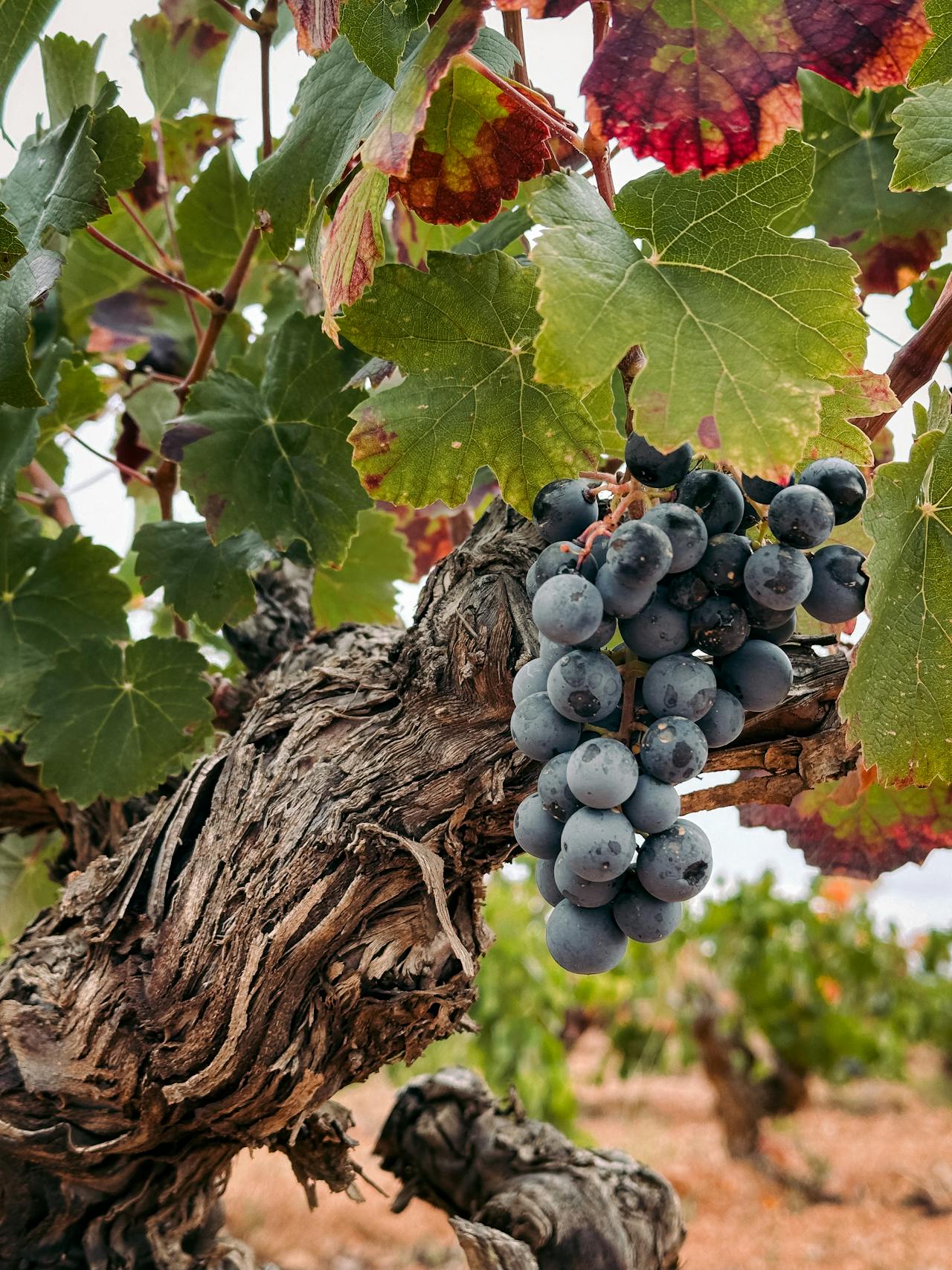
Photo by Alisa Skripina
[1] When the conquistadores requested wine and vines to be sent from Spain, they arrived at ports near the Itata wine region, and from there they moved north to Santiago, and therefore Maipo. Maule is just north of Itata, though, so vines were planted there early on. Could they have planted them first? Unlikely, but not impossible.
[2] Moscatel (Moscatel de Alejandría) as we know it in Spanish.
[3] Wine for the Eucharist was mostly fine, but Spain also wanted to sell their own wine in the colonies.
[4] If you look at a map you might think it’s in central Chile, but it’s several hours south of Santiago. Unfortunately, we consider Santiago to be the geographical center of Chile. To be fair, it’s close, but it’s also not precise.
[5] And the Pacific Ocean itself due to a tip to the north of the wine region.
[6] Technically it’s where the Ñuble Region begins. Itata is part of Ñuble.
[7] Wine smells of fruit. In reds, you typically get berries and plums. Warm-weather wine will smell like overripe strawberries, blackberries, black plum, and even jam and preserves. Cold-weather wines will smell of tarter fruit, like sour cherries, raspberries, underripe strawberries or red plums.
[8] Denominación de Origen, Chile’s version of the French AOC or the Italian DOCG.
[9] This wine-based cocktail also has pineapple ice-cream, grenadine, and often a Chilean herb liquor, similar to Fernet, called Araucano.
Cover image: An old vine in the Maule wine region. Photo by caropat.

Leave a Reply