

Think sommeliers only exist for viral blind-tasting videos? Discover what a sommelier actually does and why they are a restaurant’s ultimate asset.
What does a sommelier do? If you consume enough wine content online—and I eat it up—you’ve probably come across short vids showing sharply dressed dudes and gals expertly blind-tasting wines, describing all sorts of aromas and pinpointing a wine region, varietal(s) and sometimes even a vintage. And if you look closely, their guesses are being graded by a panel.
Ever wonder why? Is there a practical application for their proficiency at blindly identify wines? Imagine you own a restaurant and are considering employing a sommelier. Is that skill useful to you? What are you really looking for when you hire one? Let’s get into it.
Should You Hire a Sommelier?
Should you even consider it? Remember, in this fantasy scenario, you have a restaurant, so let’s begin by looking at it. Do you already have a wine program? If not, do you want one? And I’m not asking if you serve wine or not. I recently went to a restaurant and asked about their wine. They didn’t have a wine list, just Sauvignon Blanc by one brand, Chardonnay and “the reds” by another one. I got the impression that the wines changed often based on price. They serve wine, but don’t have a wine program. They probably don’t want one, either.
If that’s you, you don’t need a sommelier.
On the other hand, you’re probably looking to build one. Or you have one and want to improve it or maybe push it. Well, then you should consider hiring one and letting them go to work.
What Does a Sommelier Do?
We’re ready to answer this question. You know you need a professional, but what are you paying them to do?
Well, they can do many things for your wine program, and you might need them for several—or all—of them. To start with, they can create one for you.
If your restaurant is like the one described above, and you want to change what you’re doing with wine, a sommelier can design a coherent wine list for you. And by coherent, I mean mindful of the style of the restaurant, the type of food, the budget of your patrons, and your storage capabilities.
But maybe you already have a wine program and are looking to enhance it, to improve it. Your hired sommelier can help review your wine list and discarding the ones that are not working for your establishment and replacing them with better alternatives. They can also help define which ones should be offered by the glass, food pairings, and even how to organize your physical wine menu. That is, if you separate them by region, varietal, vibe, or any other way that makes sense to you.
So, hiring a sommelier is great help for your restaurant, but what I just described is a consultant. Your sommelier is part of your staff, and they earn their keep by selling wine.
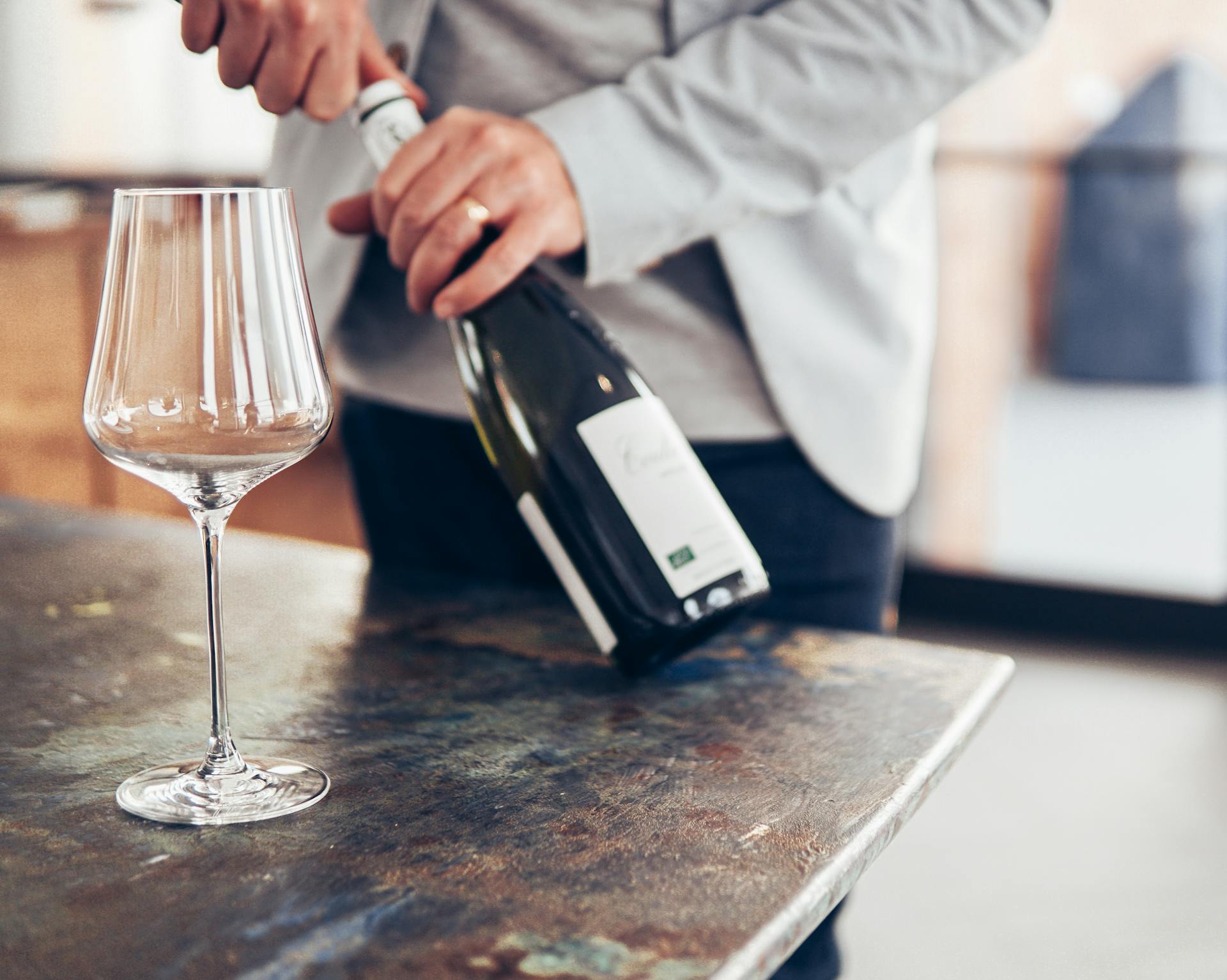
The Salesperson
A restaurant is, after all, a business. Employing a sommelier sounds great, but it’s an extra salary. Can you afford it? Can you justify the hire? A sommelier friend once told me that his salary was only warranted if he was able to increase the wine sales at the restaurant that employed him. I agree with him.
It’s better if the sommelier who designed your wine list is the one walking the room, table to table, making suggestions, but they don’t have to be. Your restaurant might already have a great wine program; you’re looking to push it. That’s why you hired a pro.
Your sommelier is not an extra server, although an extra pair of hands might be needed every now and then. Your sommelier is there to increase your wine revenue. Or at least, if it’s already where you want it, to keep it there. Now, from a customer’s perspective, this doesn’t mean that they’re there to upsell, though to be fair they sometimes do. No, they’re there to make suggestions, talk about pairings, and tell you the stories of the people producing the wine. They’re there to help you pick a wine that you’ll enjoy.
Sommeliers help keep inventory and can also train the staff on wine service, sure. But as a restaurateur, you only ever want a sommelier if they can sell.
But wait, where does the blind tasting fit in all of this?
Sommeliers Evaluate the Quality of Wine Blindly
The reason you’ve seen those short videos online (you know, the ones with sommeliers tasting wine blindly and rapidly firing facts about their pour) is because they look cool (in a nerdy kind of way) and they are interesting (if you like that kind of stuff). They really are trained to capably sniff out grapes and regions blindly. But are those skills useful to you, restaurant owner, when you want to hire a sommelier?
The short answer is no. Not really. At no point, maybe except for entertainment purposes, will your hired sommelier need to identify a wine in a blind tasting. They will not regularly be required to tell apart a Carménère from a Merlot. I mean, they will have the bottle handy to check. Furthermore, they will taste the wine to recommend it, not to identify it. During service, the only ones drinking will be your customers, hopefully.
So, why are sommeliers trained in blind tastings? And why are they evaluated on them?
Well, the big idea is to eliminate bias when tasting a wine. Since they don’t know what they’re drinking, they have no preconceptions about the bottle being tasted. The sommelier-in-training is expected to evaluate the wine’s quality without knowledge of the label, price tag, or reputation.
Imagine presenting a sommelier with a prestigious Premier Cru Burgundy. They probably have expectations of tasting silky, complex, delightful wine made with Pinot Noir. They might already come with expectations about the wine; they’re probably ready to like it—or not. Removing that confirmation bias allows the expert to appraise solely what’s in the glass.
For you, in your imaginary restaurant, this is good news, because your hired sommelier will be able to select high quality wines based on that—quality—rather than marketing. They will be able to suggest tasty wines to your guests, inside their budget, improving the customer experience.
The Last Drop
I’ve been a little unfair to sommeliers in this article. I’m implying that they concern themselves only with wine, but they can oversee all beverages in your restaurant. There are sommeliers who specialize in beer, whiskey, or other beverages (some of them non-alcoholic, like tea or even fruit juices).
Moreover, a sommelier isn’t only employed by restaurants. They also work in wineries as part of their sales force, as buyers in stores, as educators, and as consultants. Certainly, as writers, as well. I never meant to imply that a sommelier works only in restaurants and deals only with wine.
But this is a wine blog, so I tend to lean more on that side of the profession. And in that, I’m always happy to see that a restaurant has a sommelier. I know they can guide me while I try to navigate a wine list, and offer suggestions based on what I tell them. And you should tell them a lot: from your preferences to the food you will all be having, to your budget, if you feel comfortable mentioning it in front of your present company. The more information they have available, the better the wine suggestion will be.

Cover Image: Smelling a cork. Photo by Matteo Orlandi.

Leave a Reply