
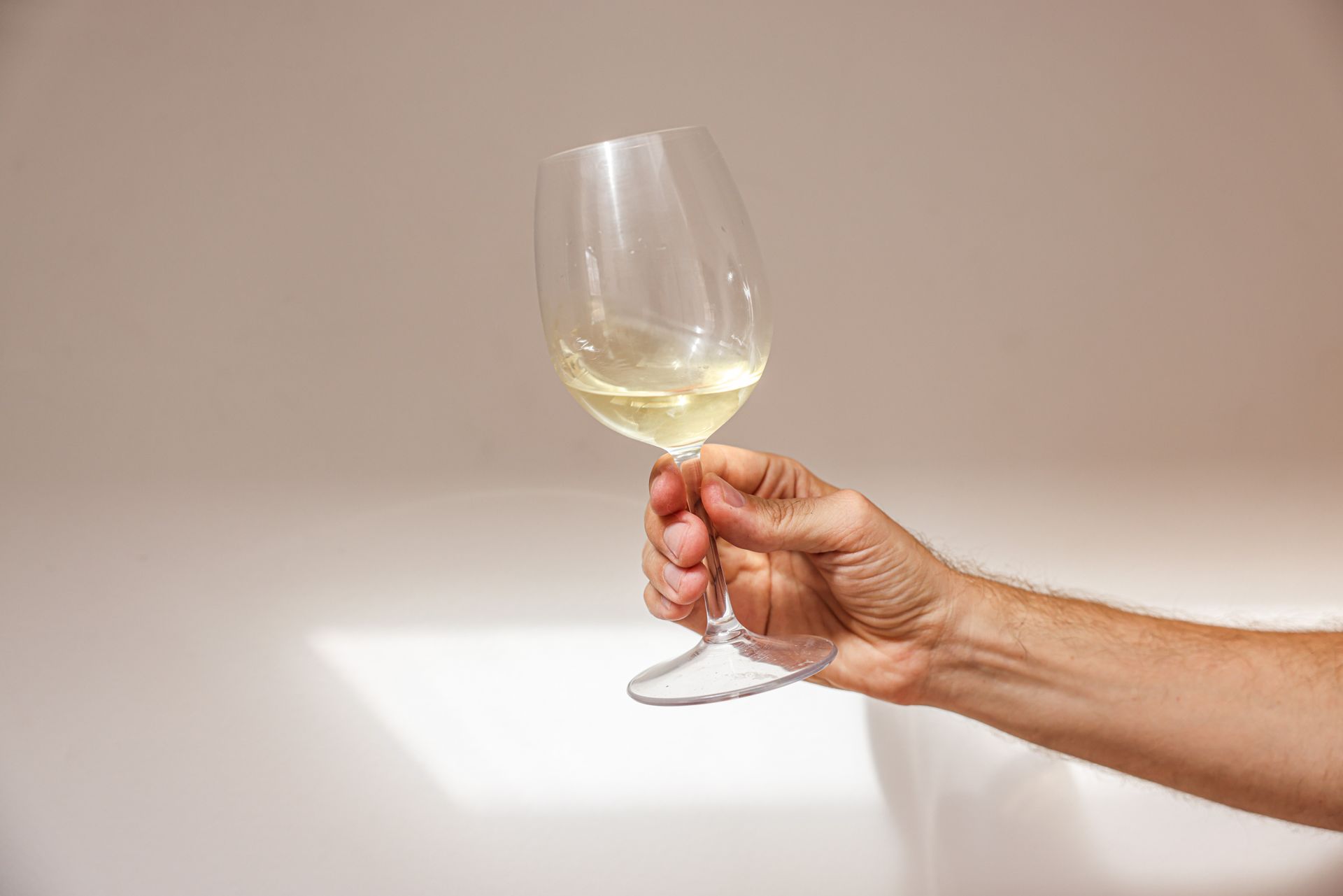
Explore the history, tasting notes, and best food pairings for Albariño. Discover why this crisp, coastal white wine from Rías Baixas is the ultimate summer sip.
You probably had a glass of Albariño this summer, either by itself or blended in your Vinho Verde. And why not? It’s the perfect heatwave sip: crisp, refreshing, and dangerously easy to drink.
But did you know that in the 1970s and 80s it was disregarded as a quality varietal and winegrowers were replacing it with other white grapes for blending? Today we’ll explore the history of Albariño, where it stands today, and how to pair it.
Let’s get into it.
Albariño: Not from Germany After All
For some time, it was believed that Albariño was a relative of Riesling brought over by monks in the 12th century. Recent findings, however, tell us otherwise. Albariño, turns out, is native to Galicia, in northwestern Spain, and northern Portugal.
No evidence exists of Roman winemaking in Galicia, but studies have shown that the ancient Roman seeds discovered at Galician dig sites were strikingly similar to the seeds of modern-day Albariño grown nearby. It just makes sense to assume that Romans, avid winemakers, domesticated local grape varieties to produce their drink of choice.
It was during the Middle Ages that pilgrimages to the city of Compostela, where the church of Santiago was built to honor the tomb of Saint James Apostle, became popular. Several churches and monasteries popped up along the way to welcome pilgrims walking the camino, and heading to Compostela, which is how the wine spread in the region.
Monks have historically been the keepers of winemaking, and it fell to Benedictines to care for these new consecrated lands and they, of course, used some of them to plant vines. The first records of wine production in Galicia, and the first evidence of wine made with Albariño, come from these monks on the road to Santiago.

A Blending Grape
Albariño has been grown by winemakers in the region since, perhaps, Roman times. But until the 1980s it was just one of the grapes used in their blends. As such, and because quantity, not quality, was a priority in Europe after both major wars, Albariño was being pushed away by higher-yielding vines.
As the turbulence of the first half of the 20th century settled during its second half, winemakers in Rías Baixas united to increase quality in their products. At first, it was a handful of producers who began talking to find common ground and see if they could organize enough to form a Denominación de Origen. The thing they already had in common was Albariño, and they rallied behind it, choosing to release monovarietals.
Of course, it wasn’t long until other vintners adopted Albariño as well, and a real Denominación de Origen was born.
With it, the prestige of Albariño eventually went global.
Where Albariño Grows
Albariño is certainly better known as the grape of Galicia’s Rias Baixas, but it’s also one of the grapes used in the Vinho Verde wine region, though it’s often blended and only allowed to grow in the subregions of Monção and Melgaço. You might not be as familiar with Alvarinho, as they call this grape in Portugal, because it’s not commonly found outside of blends, and also because Vinho Verde has a reputation for producing tasty but forgettable wines. At least it used to; a recent visit to the region proved that winemakers there are certainly producing high-quality wines ready to rival whatever else you put on your summertime tables.
Now, Albariño doesn’t only grow in Spain’s Rías Baixas; you can also find it in local areas like Valdeorras and Ribeiro. Outside of the Iberian Peninsula, you can find it in coastal U.S. regions, Australia, New Zealand, Argentina, and certainly in Chile as well.
Albariño in Chile
Here in Chile, this grape is slowly becoming popular with winemakers and consumers alike. It’s available primarily in the coastal areas of the Central Valley. Casablanca and San Antonio, specifically the Leyda Valley in the latter, are the regions where Albariño grows best. But you can also find it further north, in Aconcagua.
What Can You Expect from Albariño?
For this section I will mostly be talking about what you can expect when you uncork an Albariño from Rías Baixas or an Alvarinho from Vinho Verde, because those are the ones I’m more familiar with.
Albariños are crisp and bone dry. They’re also highly aromatic, with juicy stone fruit, like white peaches and citrus. These wines are also slightly floral and sometimes herbal, and they also have a refreshing salinity. They don’t tend to be highly alcoholic, and they have light to medium bodies.
Albariño Pairings
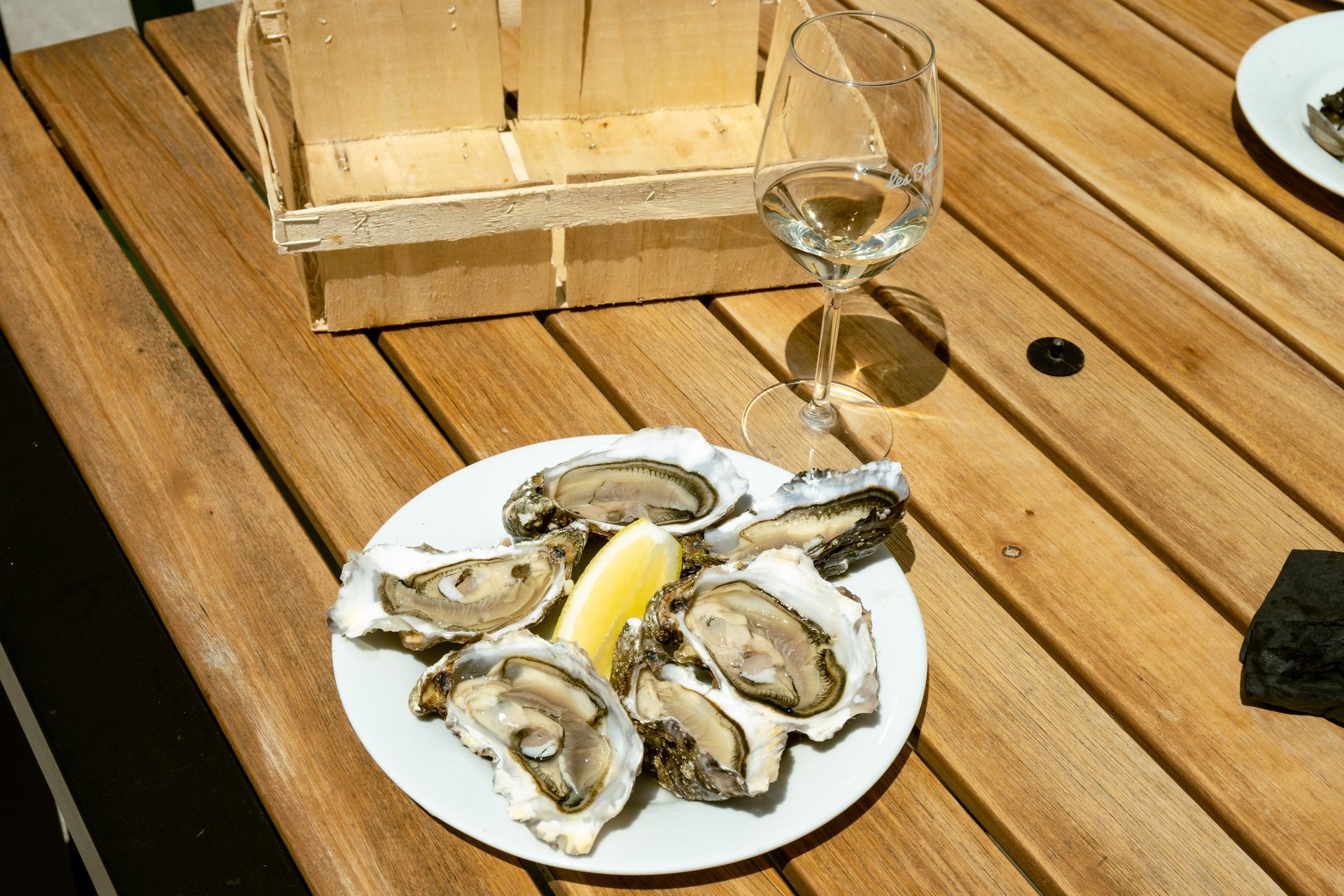
As you can imagine by my descriptions above, Albariño pairs wonderfully well with food. Seafood is the obvious choice, particularly when raw, like oysters, crudos and ceviches. It’s also a great pairing with octopus, and if you’re familiar with Galicia, you probably already know how great it matches with Pulpo á Feira, the classical Galician octopus recipe with smoked paprika. You can also pair Albariño with cooked fish and shrimp and even light meats like chicken and even some pork. It’s the wine I would pick to go with a paella.
Food is the common wine pairing, but I like the idea of pairing it with mood and even music as well.
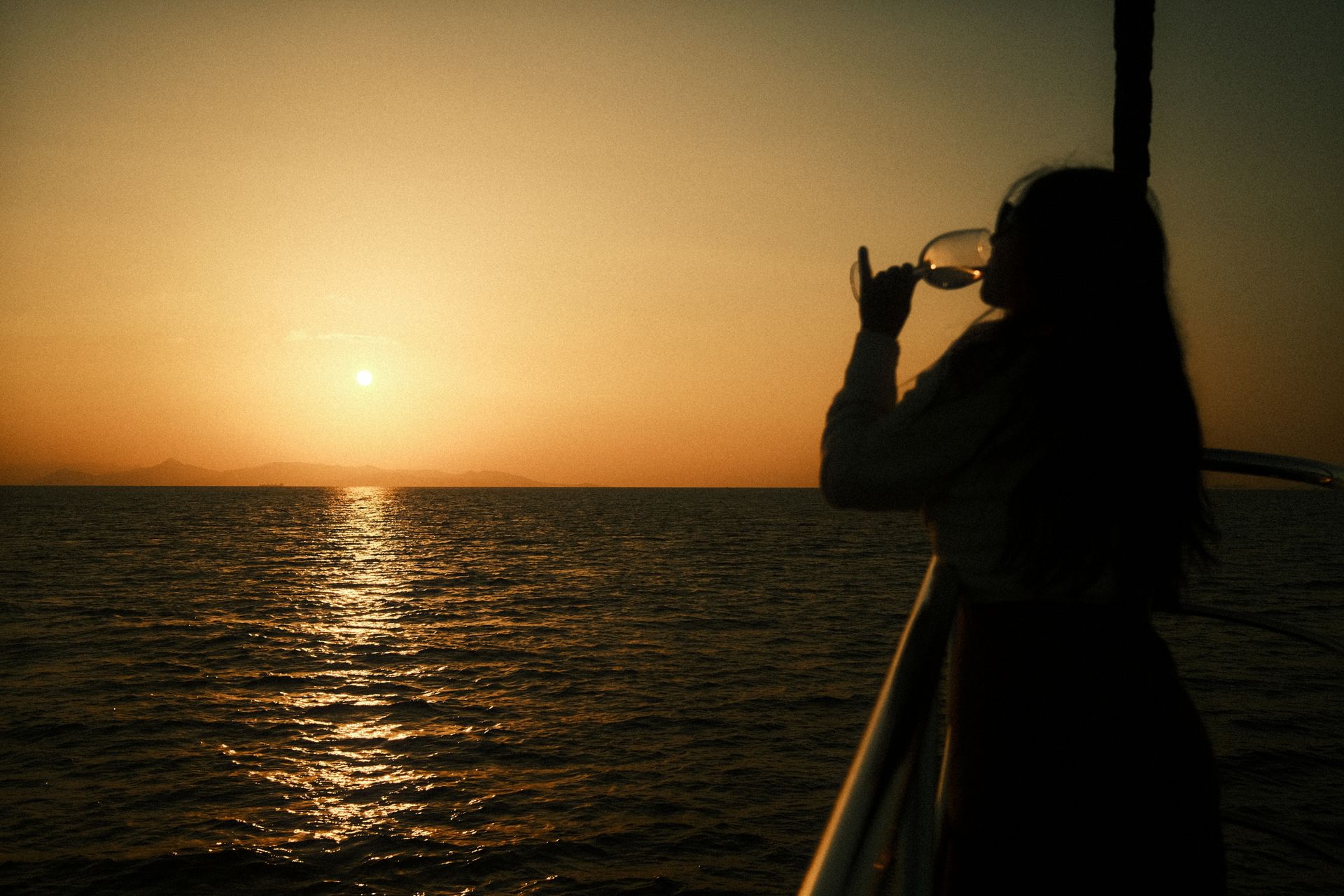
Albariño, therefore, is the wine for a beach day in the summertime. The one you take to your nearby river or lake when it’s hot outside. It’s what I’d like to be sipping while chilling on a boat. Truly the height-of-summer wine.
It’s also the wine to uncork when “I Get Around” by the Beach Boys or “Everywhere” by Fleetwood Mac begins spinning in the jukebox. It’s what you want with Albariño, something happy, upbeat, fun to sing-along.
Vinho Verde as well, but for some reason its reputation isn’t quite the same, is it? Alvarinho is more a Jimmy Buffett type of wine: easy to disrespect and not many take it seriously. But when push comes to shove, you know all the lyrics and smile when it plays in the background. Furthermore, if you pay attention, it’s deeper than you first thought.
The Last Drop
Maybe you can tell from that last paragraph, but I really like Vinho Verde, and I think it has more depth than we give it credit for. You can also probably tell that I feel similarly about Jimmy Buffett, but that’s not today’s topic.
I was familiar with Vinho Verde from the wine class at my culinary school, and I found it easy to drink and refreshing. I don’t remember if we tried more than one in class, but a few of us went to a liquor store later that day and purchased a few more. I’m sure most of them, if not all, were slightly fizzy. Later, as my interest increased, I found more interesting examples of this wine. I liked those fist, simple ones I tried in the early noughts, but I really fell in love with these wines (and region) a decade later, working at restaurants and talking to sommeliers.
Albariño from Rias Baixas is even more recent for me. I knew about it, of course, and it’s likely that I had tried some either while in culinary school or at a restaurant, but I don’t remember. I only started enjoying it five or six years ago thanks to some friends who travel to Galicia yearly because they have family there. I even met them there one summer during the Albariño Fair, where I got to enjoy the best wines from the region.
So, yes, we can say that I’m a fan. And if it’s summer and you want something crisp to combat the heat, you can’t do much better than Albariño.
Cover Image: A glass of Albariño. Photo by Cup of Couple.

Leave a Reply