
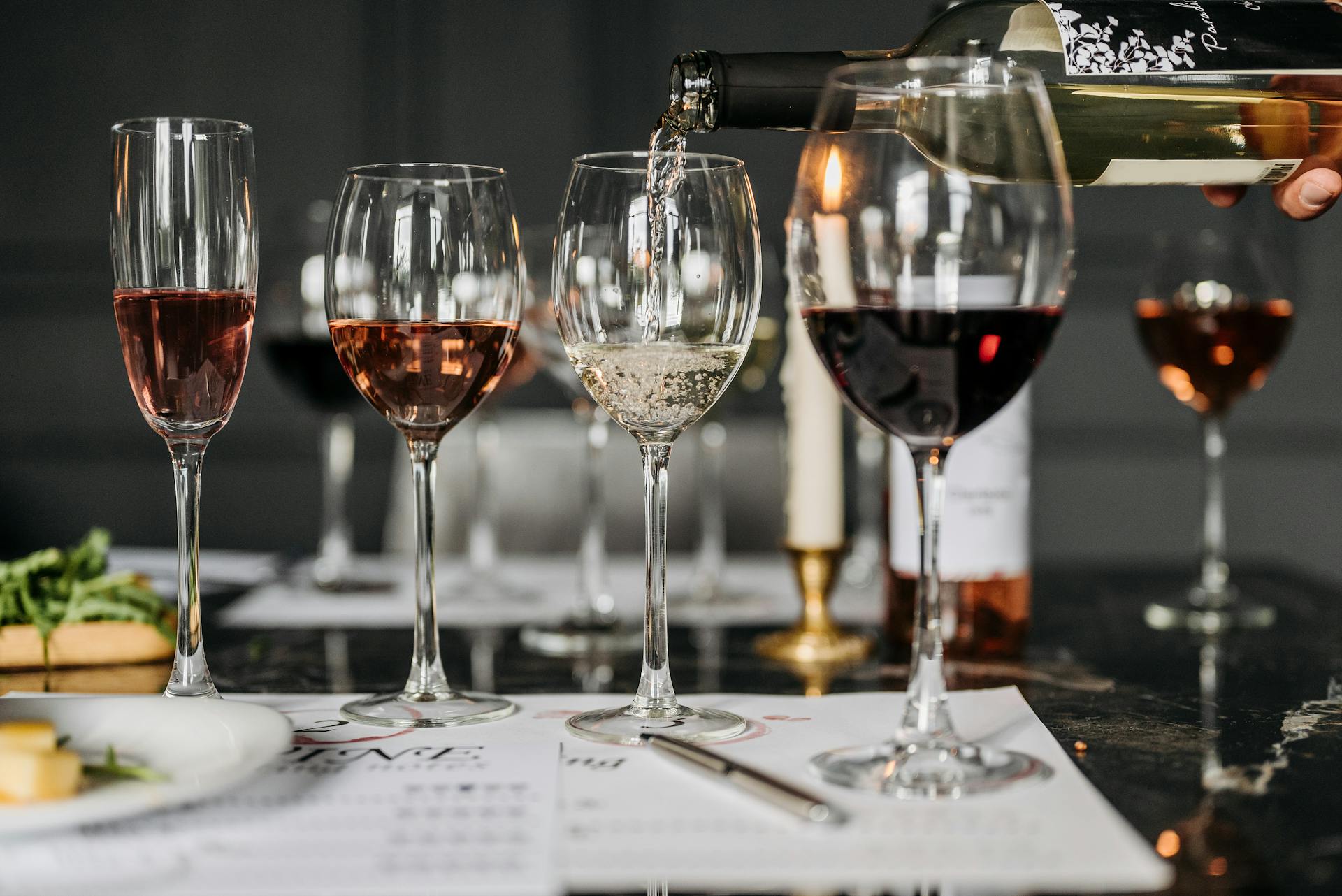
While there are thousands of unique options available globally, most wine lovers have only ever tasted about 1% of the wine varietals planted.
And I’m not exaggerating. There are ten thousand wine varietals in the world (that’s a conservative estimate). Have you drunk 100 different ones? Because that would be 1% of the wine varietals. I can, off the top of my head, name around 50 or 60 I have definitely had in the past, and maybe there are a few more I’m not remembering or blends (like many reds from Portugal), that might get that number closer to 80. But even if that number were 100, there are still 99% of wine grapes I haven’t tasted!
We can’t be too hard on ourselves, though. Particularly if, like me, you live in a place where the market is neither diverse nor adventurous with its wine. It’s unlikely, here in Chile, that we’ll get Croatian Pošip whites or Turkish Kalecik Karasi reds. And maybe you’re in the same boat. It’s fine, we can do our best, but it’s still improbable that we’ll break past that 1% of the wine varietals tasted.
Let’s talk about this!
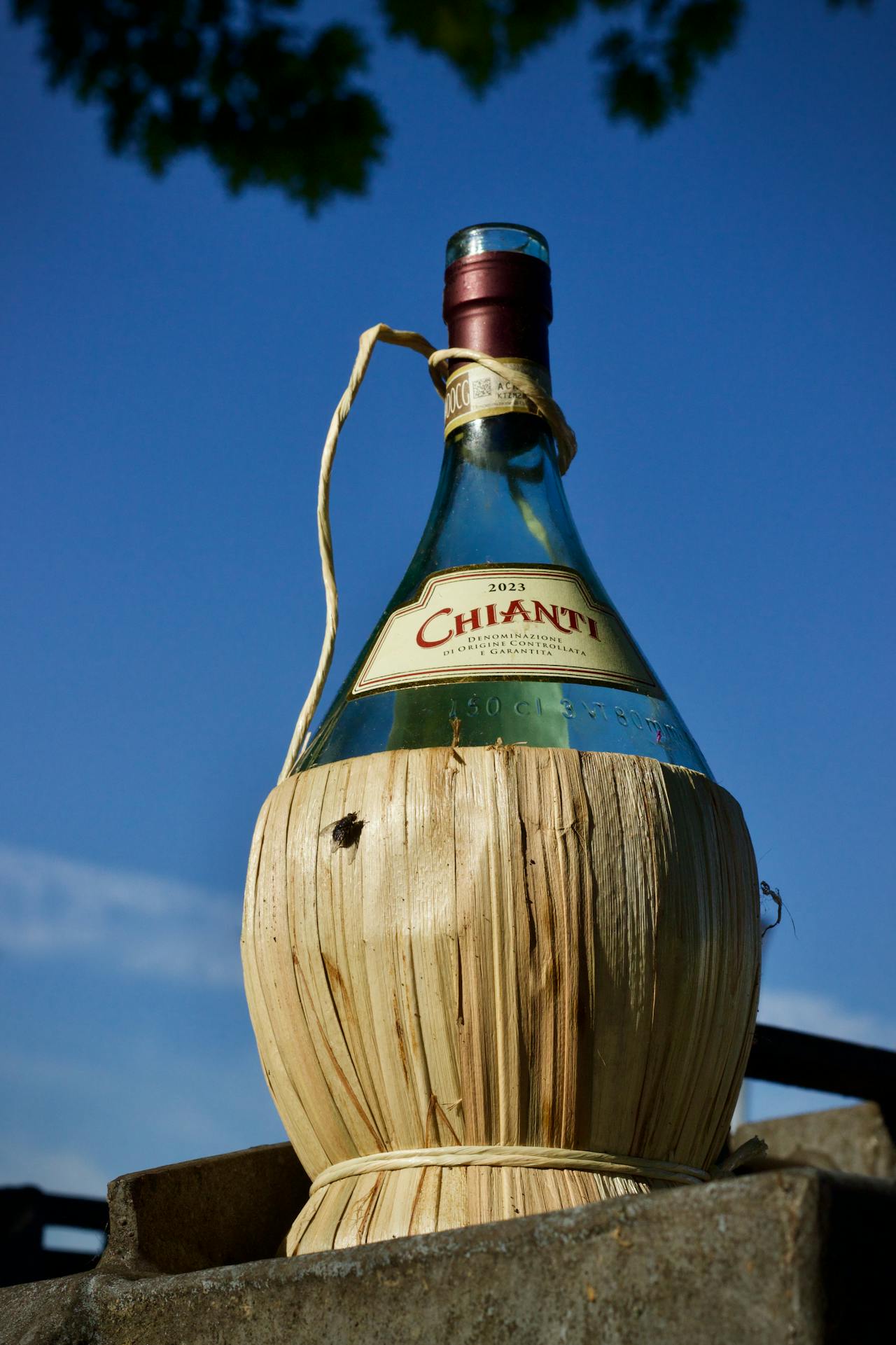
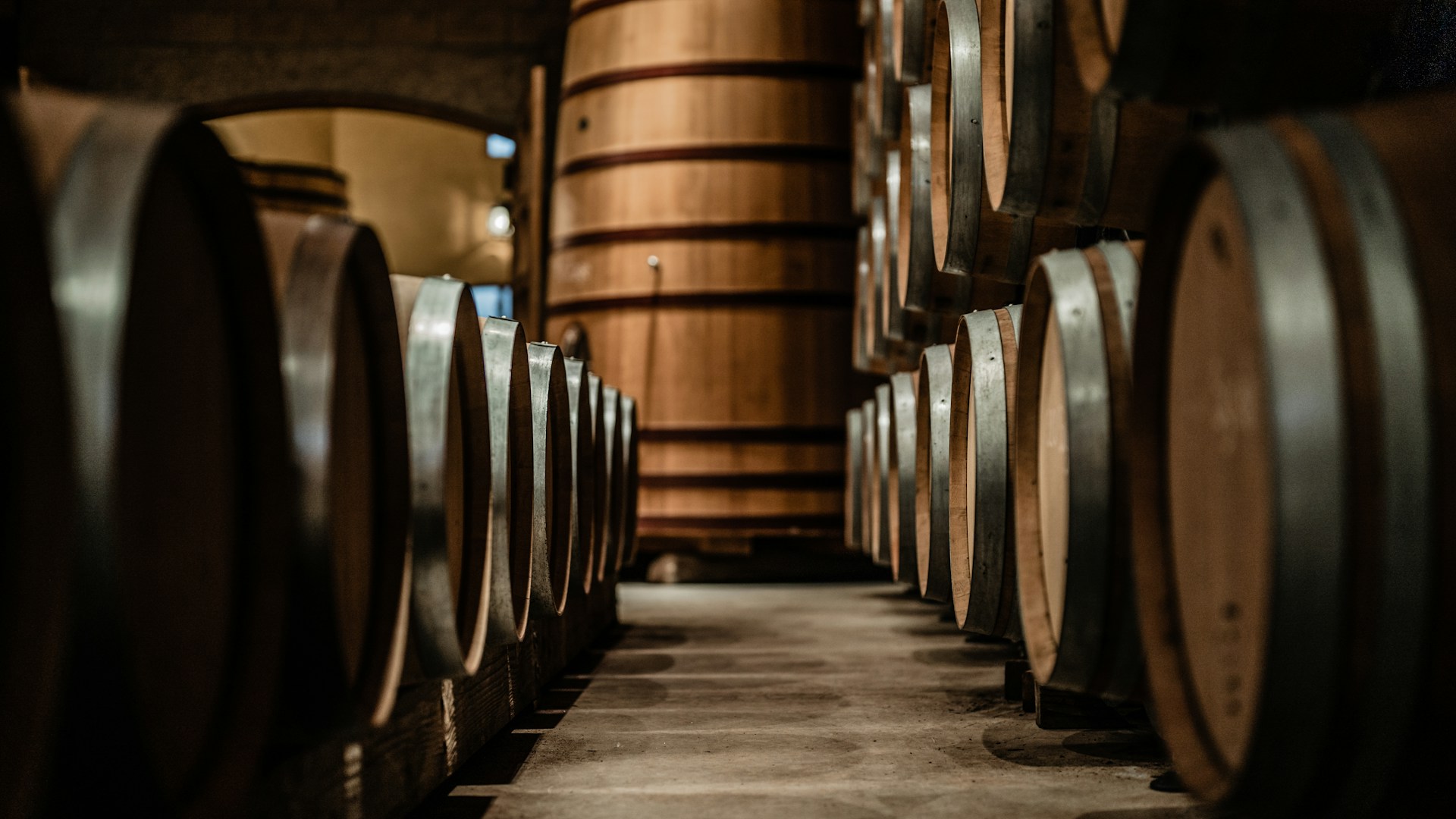
Photo by Peter Dyllong.
The 1% of the Wine Varietals That You Know
I’m sure most of us can name, off the top of our heads, over ten varietals that we’ve tasted. Cabernet Sauvignon is the first red wine that comes to mind. Pinot Noir is a close second. If you’ve had Chilean wine, there’s a high possibility that you’ve had Carménère. There are some white wines you might’ve drunk, too. I’m particularly thinking about Sauvignon Blanc and Chardonnay.
That’s already five of the ten grapes. And I haven’t even mentioned Merlot or Riesling.
There are other varietals you’ve tasted but are unaware of them. If you’ve had Bordeaux, then Cabernet Franc was likely part of the blend, for instance. You probably also drank Glera (Prosecco), Sangiovese (Chianti Classico) or Nebbiolo (Barolo or Barbaresco). And since we’re already in Italy, Pinot Grigio is a popular white wine grape, and it’s likely that you’ve had it.
And that’s ten!
You’re probably reading this and complaining that I didn’t mention your popular favorite varietal. You might be thinking Syrah and Tempranillo; Semillon and Albariño. We know more wine varietals than we originally though, don’t we?
Also, maybe we don’t need more than those.
Do You Need to Know More Than the 1% of the Wine Varietals Available?
I mean, more knowledge is never bad, and tasting unfamiliar wines is fun, but do we need to know more than the 1% of wine varietals we already know? There’s already a lot of variety with those, if you include blends and different styles from both New World and Old World wine regions.
If you can find 20 varietals in your market, you’re probably already set for a long time. If you’re aware of the popular varietals, and I’m guessing you already are, then you’re in luck, because you can find them planted everywhere. If you visit Chile, for instance, you’ll easily find the familiar Pinot Noir, Cabernet Sauvignon, and Merlot.
Cabernet Sauvignon from Maipo is different from the one produced in Colchagua. And that’s only Chile, which produces different wines from those of California or Italy.
You won’t get bored with the varieties of grapes you know, considering you can not only find them coming from different wine regions worldwide, but you can also find them in blends, particularly the Merlot and Cabernet Sauvignon mentioned above. Bordeaux blends are globally available from many producers as well.
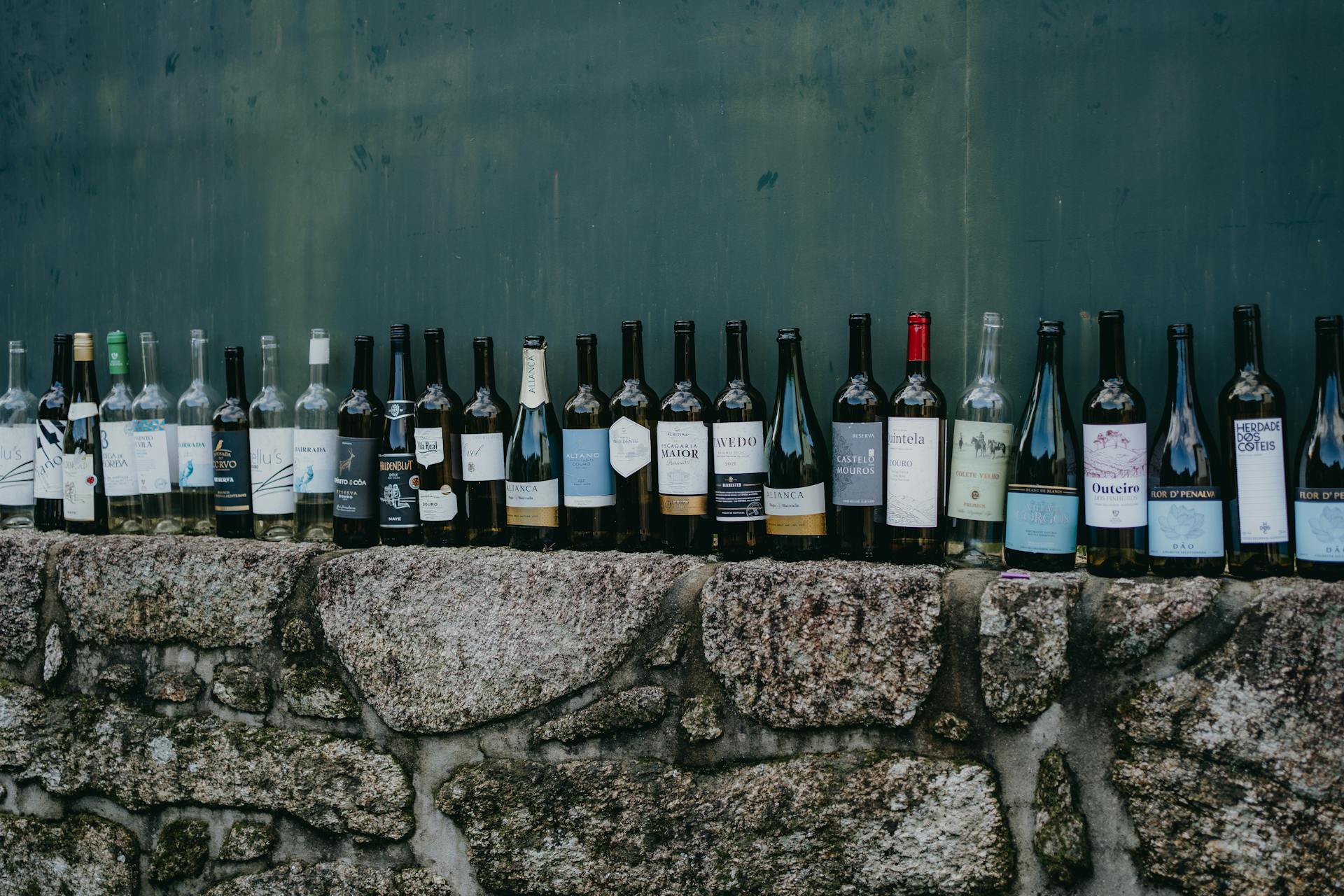
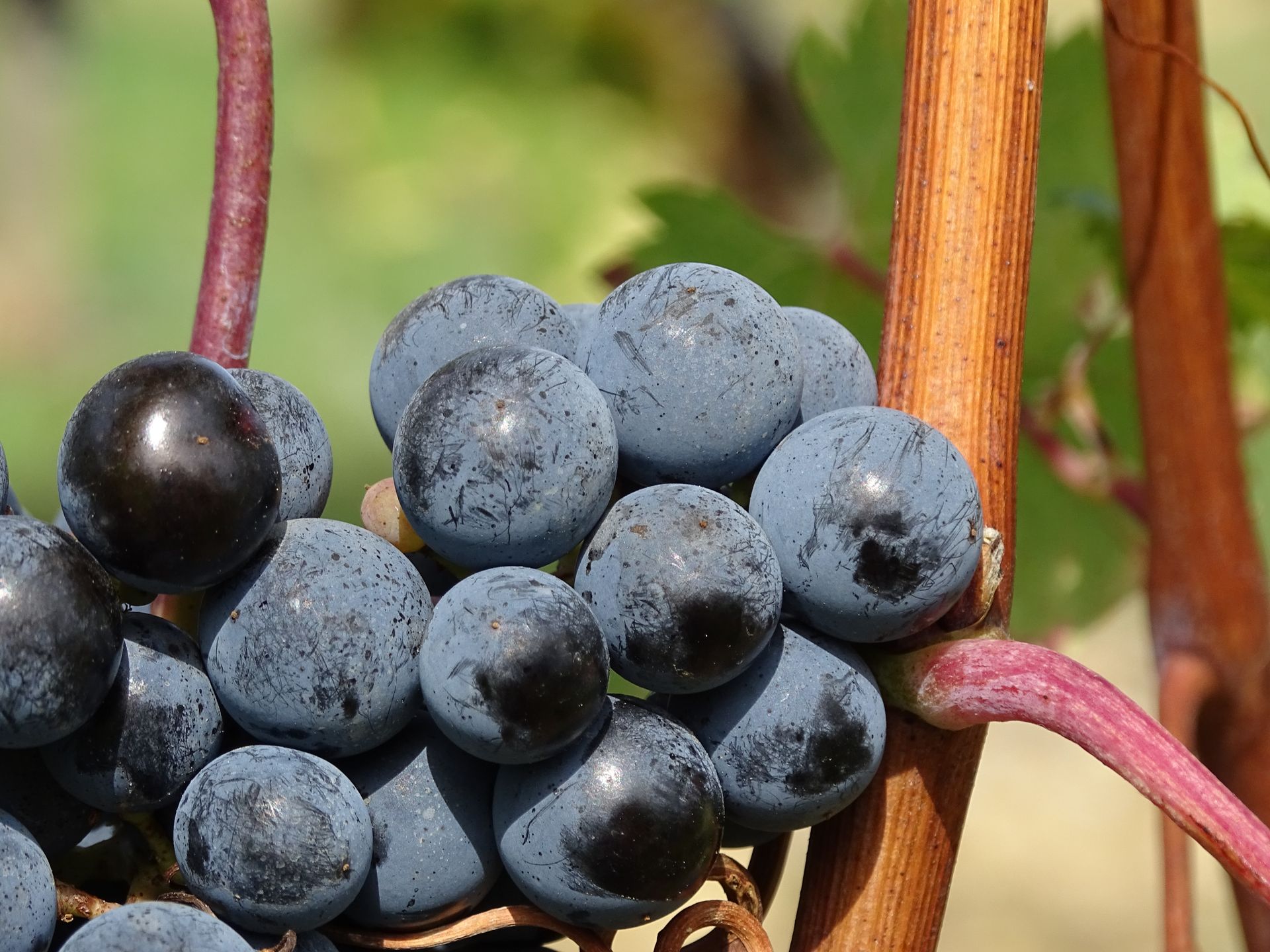
Photo by Diogo Carvalho.
Going Beyond The 1% of the Wine Varietals You Know
Knowing the popular varietals will help you find lesser-known ones. If you tell a store clerk that you like crisp whites like Sauvignon Blanc, they might recommend Grüner Veltliner in Austria or Assyrtiko if you’re in Greece. Having that single previous knowledge can help you find new favorites.
Travel is, however, my favorite way to discover new wines. I hinted at this above, with trying new wines in Austria and Greece. If you come to Chile, you might discover País from the Itata valley or old vine Carignan from Maule.
You can also travel to most major cities worldwide and taste wines unavailable in your region. I remember tasting Soave Classico—a fresh Italian white made with Garganega grapes—for the first time at a restaurant in Miami. And you can probably find more variety in New York, London, or Singapore than in Miami.
It’s good advice to talk to the locals when abroad. Talk to servers at restaurants and clerks at wine shops. You must be willing to try something different, of course. Don’t go for that familiar Syrah. The wine salesperson might recommend Tempranillo, and your server perhaps suggests Nebbiolo instead. Be open-minded and you’ll quickly go beyond that 1% of wine varietals.
I’ve written about this in my article on wine recommendations, where I recall a bad experience I had in Portugal, but that’s the exception. In Montalcino, for instance, I walked into a small wine store after lunch and spoke with the owner about Chilean wine for a while. He ended up letting me taste a 20-year-old Brunello. If you’re kind, polite, and show real interest, they will generally share their passion with you.
The Last Drop
I recognize how fortunate I’ve been in life. I’ve traveled often, eaten delicious foods, and tasted fantastic wines. But fortune is born out of interest. I’m addicted to those things. I enjoy travel and food. And I love wine. I’m open-minded about all three, so if I see an unknown wine that fits within my budget, I’m happy to try it.
Still, I’ve tasted less than 1% of the wine varietals planted worldwide. It’s unlikely that I will ever drink more than 2%, and virtually zero chance of reaching 5%. I’m fine with that. I just don’t want to only rotate between the ten or twenty most popular wines.
How many different wines have you had? Have you ever made a list? Do you even know all of them? I have no idea what was in the blends I had in Portugal. What’s the rarest varietal you’ve tasted? Until about a decade ago I could’ve said that mine was País, but it’s slowly becoming better known. There’s another ancestral grape from the colonies in Chile called San Francisco. I haven’t tasted that one yet. Maybe that should be my goal for the year.
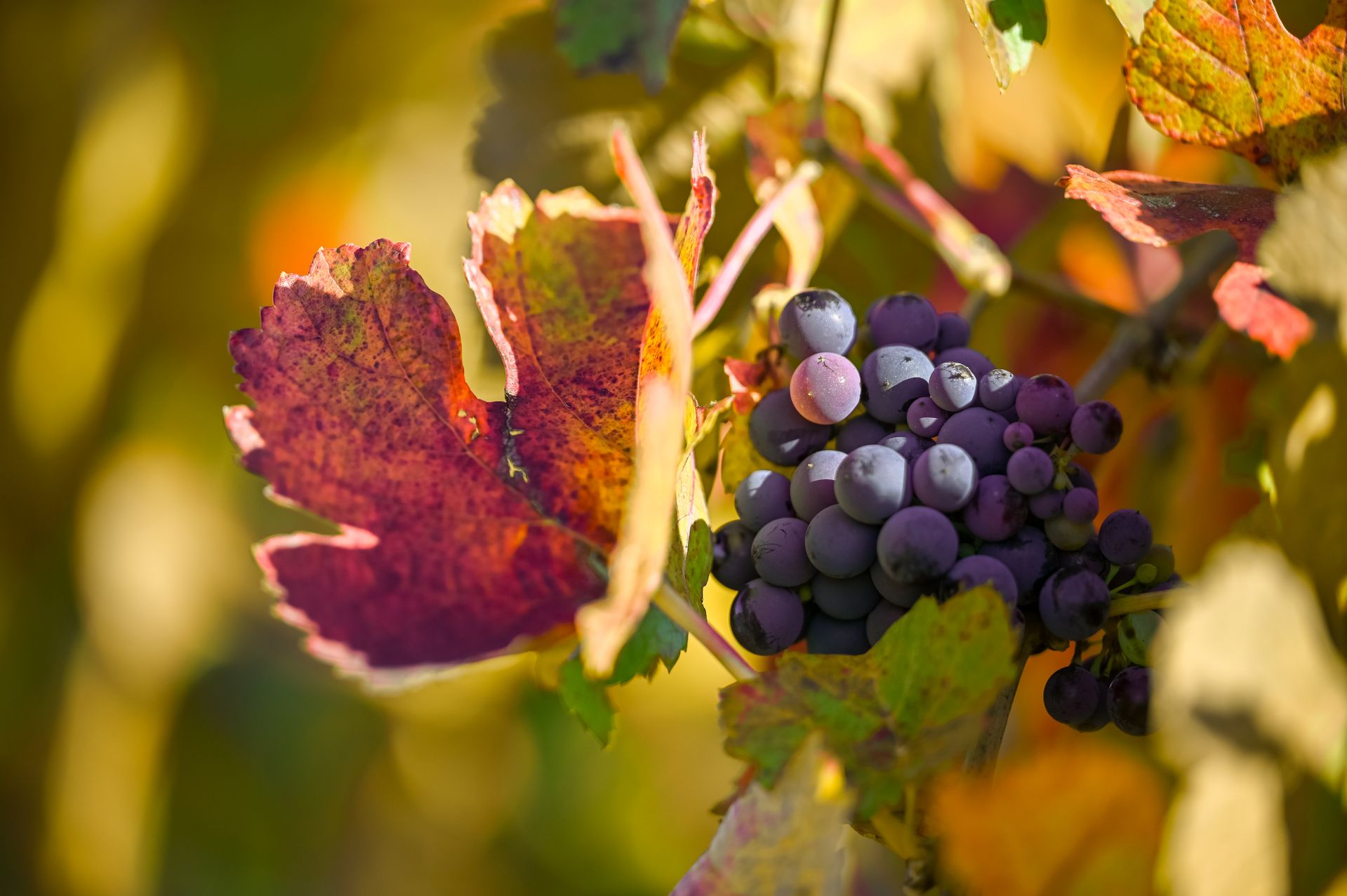
Photo by fotoblend
Cover Image: Do you know more than 1% of the wine varietals available? Photo by Pavel Danilyuk.

Leave a Reply